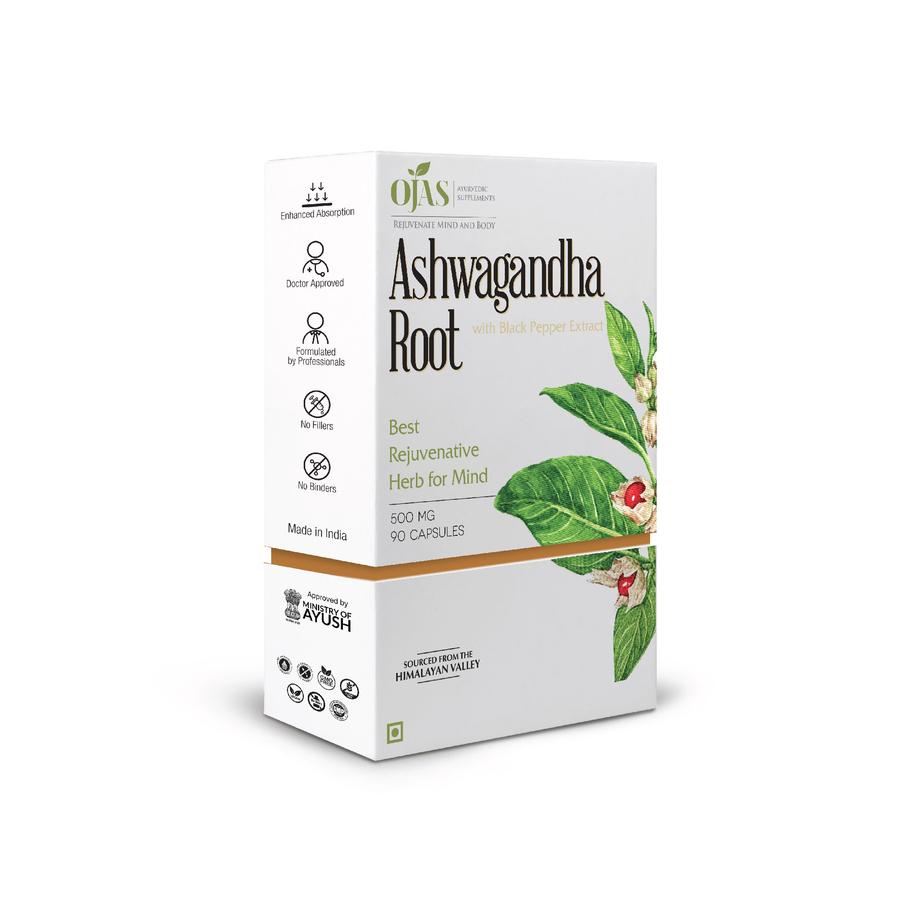



Introduction to Ashwagandha and Magnesium
In the pursuit of enhanced wellness, many individuals turn to dietary supplements to support their health. Among the myriad of options available, Ashwagandha and Magnesium stand out as two powerful supplements with a range of benefits. This guide explores how the combination of Ashwagandha and Magnesium can lead to enhanced wellness, delving into the specific ways these supplements can improve your health.
The Benefits of Ashwagandha for Wellness
Ashwagandha, also known as Withania somnifera, is an ancient medicinal herb that has been used for centuries in Ayurvedic medicine. It is renowned for its adaptogenic properties, which means it helps the body adapt to stress and promotes overall balance. Some of the key benefits of Ashwagandha include:
1. Stress Reduction: Ashwagandha is perhaps best known for its ability to reduce stress and anxiety. It has been shown to lower cortisol levels, the hormone responsible for stress, helping individuals manage their stress more effectively.
2. Improved Sleep: Many people struggle with sleep disturbances, and Ashwagandha can be a natural remedy. It promotes relaxation and can improve the quality of sleep, making it easier to fall asleep and stay asleep.
3. Enhanced Cognitive Function: Ashwagandha has been found to support cognitive function and memory. It may help improve focus, concentration, and overall mental clarity.
4. Boosted Immune System: The herb has immune-boosting properties that can help the body fend off illnesses and infections. It supports the overall functioning of the immune system.
5. Increased Energy Levels: Ashwagandha can help combat fatigue and increase energy levels, making it a valuable supplement for those who feel tired and run down.
The Benefits of Magnesium for Wellness
Magnesium is an essential mineral that plays a crucial role in numerous bodily functions. Despite its importance, many people do not get enough magnesium through their diet. Supplementing with magnesium can offer several health benefits, including:
1. Muscle Relaxation: Magnesium is known for its muscle-relaxing properties. It can help alleviate muscle cramps and spasms, making it beneficial for athletes and those with muscle-related issues.
2. Bone Health: Magnesium is vital for maintaining healthy bones. It aids in the absorption of calcium, which is essential for bone density and strength.
3. Heart Health: Magnesium supports cardiovascular health by helping to regulate blood pressure and maintain a steady heart rhythm. It can reduce the risk of heart disease and related conditions.
4. Improved Sleep Quality: Like Ashwagandha, magnesium can also promote better sleep. It helps regulate neurotransmitters that are involved in sleep, making it easier to fall asleep and stay asleep.
5. Enhanced Mood: Magnesium plays a role in mood regulation and can help alleviate symptoms of depression and anxiety. It supports the production of serotonin, a neurotransmitter that contributes to feelings of well-being.
How Ashwagandha and Magnesium Work Together
While Ashwagandha and Magnesium each offer unique benefits on their own, their combination can lead to even greater wellness. Here’s how these two supplements work together to enhance health:
1. Stress and Anxiety Reduction: Both Ashwagandha and Magnesium have stress-reducing properties. Together, they can provide a more comprehensive approach to managing stress and anxiety, helping individuals feel calmer and more balanced.
2. Improved Sleep: The combination of Ashwagandha and Magnesium can be particularly effective for improving sleep quality. Ashwagandha promotes relaxation, while magnesium helps regulate sleep-related neurotransmitters, resulting in better sleep.
3. Enhanced Cognitive Function: Ashwagandha supports cognitive function, and magnesium is involved in numerous brain processes. Together, they can improve focus, concentration, and overall mental clarity.
4. Boosted Immune System: Both supplements have immune-boosting properties that can help the body fend off illnesses and infections. Their combined effects can provide stronger support for the immune system.
5. Increased Energy Levels: Ashwagandha combats fatigue and increases energy levels, while magnesium supports muscle function and overall vitality. Together, they can help individuals feel more energized and revitalized.
Recommended Dosages and Forms of Ashwagandha and Magnesium
When it comes to taking Ashwagandha and Magnesium, it’s important to follow recommended dosages and choose the right forms of each supplement. Here are some guidelines:
1. Ashwagandha: The recommended dosage of Ashwagandha varies depending on the form. For powdered root, a typical dose is 1-2 grams per day. For standardized extract, 300-500 mg per day is common. It is best to start with a lower dose and gradually increase it as needed.
2. Magnesium: The recommended daily intake of magnesium for adults is between 310-420 mg, depending on age and gender. Magnesium supplements come in various forms, including magnesium citrate, magnesium oxide, and magnesium glycinate. Magnesium citrate is well-absorbed and commonly used, while magnesium glycinate is known for its calming effects.
3. Combination Supplements: Some supplements combine Ashwagandha and Magnesium in one formula. These can be convenient for those looking to take both supplements together. Be sure to follow the dosage instructions on the product label.
Potential Side Effects and Precautions
While Ashwagandha and Magnesium are generally safe for most people, there are some potential side effects and precautions to be aware of:
1. Ashwagandha: Some individuals may experience digestive issues, such as upset stomach or diarrhea, when taking Ashwagandha. It is also important to note that Ashwagandha may interact with certain medications, so it’s best to consult with a healthcare provider before starting supplementation.
2. Magnesium: High doses of magnesium can cause digestive issues, such as diarrhea and stomach cramps. It is important not to exceed the recommended dosage. Additionally, individuals with kidney problems should avoid magnesium supplements, as their bodies may have difficulty excreting excess magnesium.
3. Allergic Reactions: Although rare, some individuals may have allergic reactions to either Ashwagandha or Magnesium. If you experience symptoms such as rash, itching, or difficulty breathing, discontinue use and seek medical attention.
Conclusion
Incorporating Ashwagandha and Magnesium into your wellness routine can offer a range of health benefits, from stress reduction and improved sleep to enhanced cognitive function and boosted immune support. By understanding how these supplements work together and following recommended dosages, you can achieve enhanced wellness and improve your overall quality of life. As with any supplement, it is important to consult with a healthcare provider before starting a new regimen to ensure it is safe and appropriate for your individual needs.