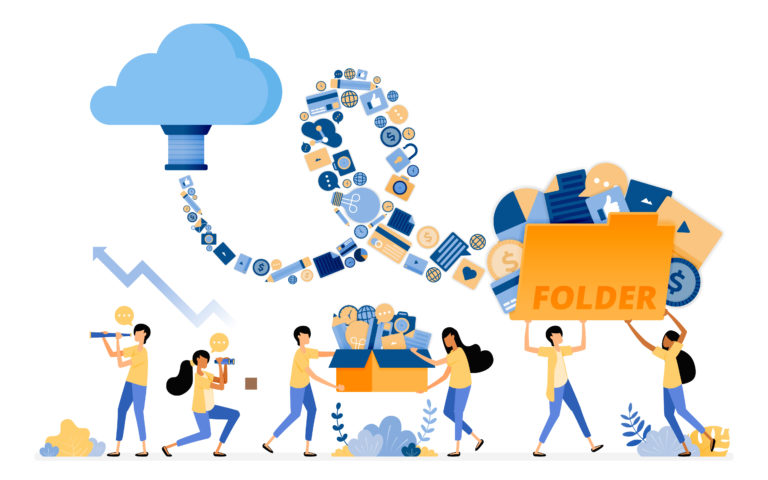



Data migration is like moving to a new house. It sounds simple, but without a solid plan, it can quickly become a nightmare. Whether you're transferring data to a new system, upgrading databases, or moving to the cloud, the process is fraught with potential pitfalls. While the idea of handling data migration in-house might seem tempting to save costs, the risks involved can lead to expensive, time-consuming problems. That's where a professional data migration consultant comes in.
In this article, we'll explore the top five risks of DIY data migration and explain why hiring a consultant is often the smarter choice. By the end, you'll see why companies like Augmented Systems—a leader in database services in the USA and India—recommend professional assistance to ensure a smooth, successful migration.
The Complexity of Data Migration
Data migration isn't just about copying and pasting files from one location to another. It involves transferring vast amounts of critical information across different environments, ensuring that all data is moved accurately, securely, and in a manner that maintains its integrity. The process is riddled with challenges that can easily overwhelm even the most experienced IT teams.
Think of data migration as a complex puzzle, where each piece must fit perfectly. Misplacing even one piece can lead to data corruption, loss, or exposure to security risks. Now, let's delve into the top five risks of DIY data migration.
1. Data Loss and Corruption
One of the most significant risks of DIY data migration is the potential for data loss or corruption. Imagine you're moving from one house to another, and during the move, you lose important items or they get damaged. The same can happen with your data. Without proper tools and expertise, critical data can be lost in transit, leading to incomplete or corrupted databases.
Data loss isn't just an inconvenience—it can have serious consequences for your business. Missing or damaged data can disrupt operations, lead to compliance issues, and erode customer trust. While you might be able to recover some lost data, the process is often costly and time-consuming. In the worst cases, the data may be unrecoverable, leading to permanent loss of vital information.
2. Security Risks
In today's world, data security is paramount. When you're handling sensitive information—like customer details, financial records, or intellectual property—during a migration, the risks of data breaches and unauthorized access are heightened. A DIY approach might not adequately protect your data during the migration process, leaving it vulnerable to cyberattacks.
Imagine leaving your doors wide open while moving houses—anyone could walk in and take your belongings. Similarly, without proper security measures in place during a data migration, cybercriminals could easily exploit vulnerabilities to access your data. The result? A data breach that could cost your business millions and severely damage your reputation.
3. Inadequate Planning and Execution
Successful data migration requires meticulous planning and execution. It's not just about moving data; it's about understanding the structure of your current system, the nuances of the new environment, and how to transfer the data without disrupting your business operations.
Many companies underestimate the complexity involved and attempt to handle the process with limited resources. This often leads to inadequate planning, which can cause delays, errors, and operational disruptions. Without a clear roadmap, you may find yourself facing unexpected challenges, such as compatibility issues between the old and new systems, misaligned data formats, or incomplete data migration.
4. Downtime and Business Disruption
One of the biggest fears during data migration is downtime—when systems are unavailable, and business operations come to a halt. In a DIY scenario, the lack of expertise and experience can lead to extended periods of downtime, which can be disastrous for your business.
Imagine trying to move your entire household in one day without any professional help. Things will likely go wrong, leading to delays and stress. The same applies to data migration. Even a minor error can result in significant downtime, affecting everything from customer service to revenue generation. In today's fast-paced business environment, even a few hours of downtime can lead to lost opportunities and a damaged reputation.
5. Hidden Costs
While the primary motivation behind DIY data migration is often to save money, the reality is that the process can end up costing more than hiring a professional. Hidden costs can arise from unexpected complications, extended downtime, data recovery efforts, and the need for additional resources to address issues.
Consider the analogy of a DIY home renovation. You might save money on labor, but if you lack the expertise, you could make mistakes that require expensive repairs later. Similarly, the hidden costs of DIY data migration can quickly add up, making the process far more expensive than initially anticipated.
The Role of a Data Migration Consultant
A data migration consultant is like a seasoned project manager who specializes in moving data. They have the expertise, tools, and experience needed to ensure a smooth and successful migration. By hiring a consultant, you're essentially investing in peace of mind—knowing that your data is in capable hands.
A consultant will start by thoroughly assessing your current system and the target environment. They'll then develop a detailed migration plan that includes timelines, resource allocation, risk assessment, and contingency plans. Their goal is to minimize disruptions, avoid data loss, and ensure that the migration is completed on time and within budget.
Benefits of Hiring a Consultant
Hiring a data migration consultant offers several benefits:
- Expertise: Consultants have the technical knowledge and experience to handle even the most complex migrations.
- Risk Mitigation: By identifying potential risks upfront, consultants can take steps to avoid them, ensuring a smoother migration.
- Efficiency: Consultants can complete the migration faster and more efficiently, minimizing downtime and disruptions.
- Cost-Effective: While there's an upfront cost to hiring a consultant, it often saves money in the long run by avoiding the hidden costs of DIY migration.
- Compliance: Consultants ensure that the migration process adheres to industry regulations and standards, helping you avoid legal and compliance issues.
Augmented Systems: Your Trusted Data Migration Partner
When it comes to data migration, partnering with a company that has a proven track record is crucial. Augmented Systems, with its dual presence in the USA and India, is a leading database company which provides data migration solutions tailored to the unique needs of businesses. Their team of experts specializes in handling complex migrations with minimal disruption to your operations.
Augmented Systems offers end-to-end data migration services, from initial planning to final execution. They use state-of-the-art tools and methodologies to ensure that your data is migrated securely, accurately, and efficiently. Whether you're moving to a new database, upgrading your systems, or migrating to the cloud, it has the expertise you need.
Why DIY Data Migration Might Not Save You Money
It's easy to think that handling data migration in-house will save money, but this is often a misconception. The risks and potential hidden costs we've discussed can quickly outweigh any initial savings. When you consider the potential for data loss, security breaches, and extended downtime, it's clear that a DIY approach can be more costly in the long run.
Moreover, in-house teams may not have the specialized skills required for complex migrations, leading to errors that could require costly fixes. By investing in a professional data migration service from the start, you can avoid these pitfalls and ensure a successful migration that supports your business goals.
The Importance of Choosing the Right Data Migration Solution
Not all data migration solutions are created equal. Choosing the right one is critical to the success of your migration project. A well-chosen solution will align with your business needs, support your data architecture, and provide the necessary tools for a smooth migration.
When selecting a data migration solution, consider factors such as:
- Compatibility: Ensure the solution is compatible with your existing and target systems.
- Scalability: Choose a solution that can grow with your business.
- Security: Look for robust security features to protect your data during the migration process.
- Support: Opt for a solution that offers comprehensive support and documentation.
A data migration consultant can help you navigate these choices, ensuring that you select the right solution for your specific needs.
Understanding Data Migration Trends
The field of data migration is constantly evolving, driven by technological advancements and changing business needs. Staying up to date with the latest data migration trends can help your business remain competitive and agile. Some current trends include:
- Cloud Migration: More businesses are moving their data to the cloud to take advantage of scalability, flexibility, and cost savings.
- Automation: Automation tools are becoming increasingly popular for streamlining the migration process and reducing the risk of human error.
- Data Governance: There's a growing emphasis on data governance to ensure that data migration complies with regulations and best practices.
- Hybrid Solutions: Many businesses are adopting hybrid cloud solutions, which involve migrating some data to the cloud while keeping other data on-premises.
By understanding these trends, you can make informed decisions about your data migration strategy.
Conclusion
Data migration is a critical process that can have far-reaching implications for your business. While the idea of handling it in-house might seem appealing, the risks involved make it clear that a professional data migration consultant is worth the investment. From avoiding data loss and security breaches to ensuring a smooth and efficient migration, a consultant can provide the expertise and peace of mind you need.
Augmented Systems is a trusted partner in the world of data migration, offering tailored solutions that meet the unique needs of businesses in the USA and India. Whether you're planning a small-scale migration or a complex, enterprise-level project, their team of experts is ready to help you succeed.