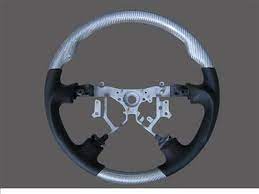



Installing an NRG steering wheel can be a rewarding modification, offering both aesthetic appeal and enhanced driving experience. However, it's crucial to approach the installation with precision and attention to detail to ensure both safety and functionality. Many enthusiasts make avoidable mistakes during the installation process, which can lead to poor performance, safety hazards, or even damage to the vehicle. In this article, we'll explore eight common mistakes to avoid when installing an NRG steering wheel, ensuring a smooth and successful installation.
1. Failing to Disconnect the Battery
One of the most fundamental steps in any electrical work on a vehicle is disconnecting the battery. When installing an NRG steering wheel, this step is often overlooked, which can lead to serious consequences.
Why It's Important
The steering wheel houses the airbag, an explosive device designed to deploy in milliseconds during a collision. Accidentally triggering the airbag can result in injury or damage to your vehicle's interior. Additionally, modern vehicles have intricate electronic systems connected to the steering wheel, including the horn, cruise control, and other controls. Failing to disconnect the battery could lead to electrical shorts or malfunctioning systems.
How to Avoid It
Before starting the installation, ensure that the vehicle's battery is completely disconnected. This can usually be done by removing the negative terminal cable. Wait for a few minutes to ensure that any residual electrical charge dissipates. This step is non-negotiable and should be done before touching any part of the steering column.
2. Not Using the Correct Tools
Using the wrong tools is a common mistake that can lead to stripped bolts, damaged components, and a frustrating installation process.
Why It's Important
The NRG steering wheel installation requires specific tools to safely remove the old steering wheel and install the new one. Using incorrect or makeshift tools can result in damage to the steering column, the steering wheel, or the hub adapter. Moreover, improper installation due to incorrect tools can affect the steering wheel’s alignment, potentially leading to steering issues or safety hazards.
How to Avoid It
Make sure you have the right tools before beginning the installation. Commonly needed tools include:
- A steering wheel puller
- Torque wrench
- Socket set
- Hex key set
- Screwdrivers
- A breaker bar for stubborn bolts
Having these tools on hand will ensure a smoother installation process and help avoid unnecessary damage to your vehicle.
3. Incorrect Removal of the Old Steering Wheel
Removing the old steering wheel is a critical step in the installation process. However, many people rush this step, leading to mistakes that can damage the steering column or cause alignment issues.
Why It's Important
The steering wheel is often held in place with a single large bolt that can be difficult to remove. Improper removal techniques, such as using excessive force or prying with a screwdriver, can damage the steering column or misalign the steering wheel. Additionally, failing to properly align the new steering wheel with the steering shaft can result in off-center steering, which can be both annoying and dangerous.
How to Avoid It
To remove the old steering wheel correctly:
4. Ignoring Torque Specifications
Many DIY installers overlook the importance of torque specifications, leading to improperly secured components that can loosen over time.
Why It's Important
Torque specifications ensure that bolts and nuts are tightened to the manufacturer’s recommended levels, preventing both under-tightening and over-tightening. Under-tightening can lead to components loosening over time, while over-tightening can strip threads or damage the components. In the context of an NRG steering wheel, improper torque can lead to an unsafe steering wheel installation that may compromise your ability to control the vehicle.
How to Avoid It
Always use a torque wrench when tightening bolts during the installation. Consult the NRG installation guide or your vehicle’s service manual for the correct torque specifications. If you’re unsure, it’s better to consult a professional or do further research to ensure the job is done correctly.
5. Not Using a Hub Adapter
One of the most common mistakes made during the installation of an NRG steering wheel is the failure to use a hub adapter. Some people attempt to fit the steering wheel directly onto the steering column, which is a serious mistake.
Why It's Important
The hub adapter is a critical component that allows the aftermarket steering wheel to fit onto the vehicle’s steering column. Without it, the steering wheel may not fit properly, leading to issues with alignment, horn functionality, and the operation of other controls. Additionally, not using a hub adapter can cause the steering wheel to sit too close or too far from the driver, affecting driving comfort and control.
How to Avoid It
Ensure you purchase the correct hub adapter designed specifically for your vehicle and the NRG steering wheel. The hub adapter typically comes with instructions on how to install it properly. Make sure to follow these instructions carefully, and double-check that the adapter is securely attached to the steering column before installing the steering wheel.
6. Improper Wiring of the Horn and Other Controls
The horn is a critical safety feature, and improper wiring can lead to malfunction. Many aftermarket steering wheels, including those from NRG, also feature buttons for additional controls such as cruise control or audio adjustments. Incorrect wiring can render these controls useless.
Why It's Important
Proper wiring is essential to ensure that all the functions of your new steering wheel work as intended. In some cases, improper wiring can cause electrical shorts or interfere with the vehicle’s electronics, leading to more significant issues down the line.
How to Avoid It
When installing the NRG steering wheel, carefully follow the wiring instructions provided in the installation manual. If the manual is unclear, refer to online resources or forums for guidance. Ensure that all wires are securely connected and that there are no loose connections. Use proper connectors and avoid splicing wires unless absolutely necessary. Testing the horn and other controls before fully securing the steering wheel is also a good practice to ensure everything is working correctly.
7. Overlooking the Airbag System
For vehicles equipped with airbags, it’s crucial to handle the airbag system with care during the installation of an NRG steering wheel. Some enthusiasts opt to remove the airbag altogether, which can have serious safety and legal implications.
Why It's Important
The airbag is a critical safety feature designed to protect you in the event of a collision. Removing or tampering with the airbag can compromise your safety and may also violate local laws, leading to potential fines or legal issues. Additionally, removing the airbag can trigger warning lights on the dashboard, which can be a hassle to reset and might affect the resale value of your vehicle.
How to Avoid It
If your vehicle is equipped with an airbag, consider using an NRG steering wheel that is compatible with your airbag system. If you decide to remove the airbag, be aware of the risks and legal implications. Always consult your vehicle’s service manual and consider professional installation if you are unsure about handling the airbag system. If you proceed with the removal, make sure to properly store the airbag and disconnect any related sensors to avoid warning lights on the dashboard.
8. Not Testing the Steering Wheel Post-Installation
Once the NRG steering wheel is installed, it’s crucial to test it thoroughly before hitting the road. Many people skip this step, leading to potential issues that could have been easily addressed.
Why It's Important
Testing the steering wheel post-installation ensures that everything is functioning as it should. This includes checking the alignment, ensuring that the horn works, verifying that any controls on the steering wheel are operational, and making sure that the steering wheel is securely attached. Failing to test the steering wheel can result in unsafe driving conditions, such as a loose steering wheel or non-functional horn.
How to Avoid It
After installing the steering wheel, take the time to test it in a controlled environment. Start by turning the steering wheel from lock to lock to ensure smooth operation and that there are no unusual noises. Check that the steering wheel is aligned correctly and that it sits straight when the wheels are pointed forward. Test the horn and any other controls on the steering wheel. If you notice any issues, address them before driving the vehicle on public roads.
Conclusion
Installing an NRG steering wheel is a popular modification among car enthusiasts, offering both a visual upgrade and a more engaging driving experience. However, it’s essential to approach the installation with care to avoid common mistakes that can compromise safety and functionality. By disconnecting the battery, using the correct tools, removing the old steering wheel properly, adhering to torque specifications, using a hub adapter, wiring the horn and controls correctly, handling the airbag system with care, and thoroughly testing the steering wheel post-installation, you can ensure a successful and safe installation.
Whether you’re a seasoned car enthusiast or a novice DIYer, following these guidelines will help you avoid the pitfalls that many encounter during the installation process. The NRG steering wheel is a high-quality product that, when installed correctly, can significantly enhance your driving experience. Take the time to do it right, and you’ll enjoy the benefits for years to come.
By avoiding these common mistakes, you can confidently install your NRG steering wheel, knowing that your vehicle is safe, functional, and ready for the road.