

In the ever-evolving digital landscape, businesses are constantly seeking innovative ways to engage with their customers. One such revolutionary tool is WhatsApp Flows. This feature transcends traditional chatbots, offering app-quality interactions directly within the WhatsApp interface.
This article delves into the intricacies of WhatsApp Flows, exploring its benefits, implementation strategies, and its transformative potential for businesses.
What Are WhatsApp Flows?
WhatsApp Flows is an advanced feature that enhances the customer interaction experience on WhatsApp. Unlike standard chatbots, which rely on pre-set responses, WhatsApp Flows allows for dynamic, app-like interactions. This means businesses can create rich, interactive experiences that guide users through processes such as placing orders, booking appointments, or getting customer support, all within the WhatsApp platform.
The Benefits of WhatsApp Flows for Businesses
Implementing WhatsApp Flows can bring a multitude of benefits to businesses:
1. Enhanced Customer Engagement: By offering a more interactive and user-friendly experience, businesses can keep customers engaged for longer periods.
2. Streamlined Operations: Automating routine tasks such as order processing and customer service inquiries can significantly reduce operational costs and improve efficiency.
3. Increased Conversion Rates: The seamless and intuitive nature of WhatsApp Flows can lead to higher conversion rates, as customers find it easier to complete desired actions.
4. Personalized Experiences: WhatsApp Flows allows businesses to tailor interactions based on individual customer preferences and behaviors, enhancing customer satisfaction and loyalty.
Implementing WhatsApp Flows: A Step-by-Step Guide
Integrating WhatsApp Flows into your business operations involves several key steps:
1. Define Your Objectives: Clearly outline what you aim to achieve with WhatsApp Flows, whether it's increasing sales, improving customer support, or streamlining order processing.
2. Design the Flow: Create a detailed blueprint of the customer journey, mapping out each interaction point and decision tree.
3. Develop the Flow: Utilize WhatsApp's API and third-party tools to build the interactive elements of your flow. This may involve coding or using no-code platforms depending on your technical expertise.
4. Test and Optimize: Conduct thorough testing to ensure the flow works smoothly and efficiently. Gather feedback from initial users and make necessary adjustments to optimize the experience.
5. Launch and Monitor: Once satisfied with the flow's performance, launch it to your broader customer base. Continuously monitor its effectiveness and make iterative improvements based on user feedback and performance metrics.
Use Cases of WhatsApp Flows in Different Industries
WhatsApp Flows can be adapted to various industries, each benefiting uniquely from its capabilities:
1. E-commerce: Facilitate seamless order placement, payment processing, and delivery tracking within WhatsApp, enhancing the shopping experience.
2. Healthcare: Streamline appointment bookings, patient follow-ups, and telemedicine consultations, improving patient care and operational efficiency.
3. Hospitality: Simplify reservation processes, provide personalized recommendations, and offer real-time customer support to enhance guest experiences.
4. Financial Services: Enable secure transactions, account management, and customer support, ensuring a smooth and secure banking experience.
Case Study: Boosting Restaurant Orders with WhatsApp Flows
One of the most compelling applications of WhatsApp Flows is in the restaurant industry.
By integrating WhatsApp Flows, restaurants can significantly enhance their ordering process. For instance, customers can browse the menu, place orders, and make payments all within WhatsApp. This not only simplifies the process for customers but also reduces the workload for restaurant staff.
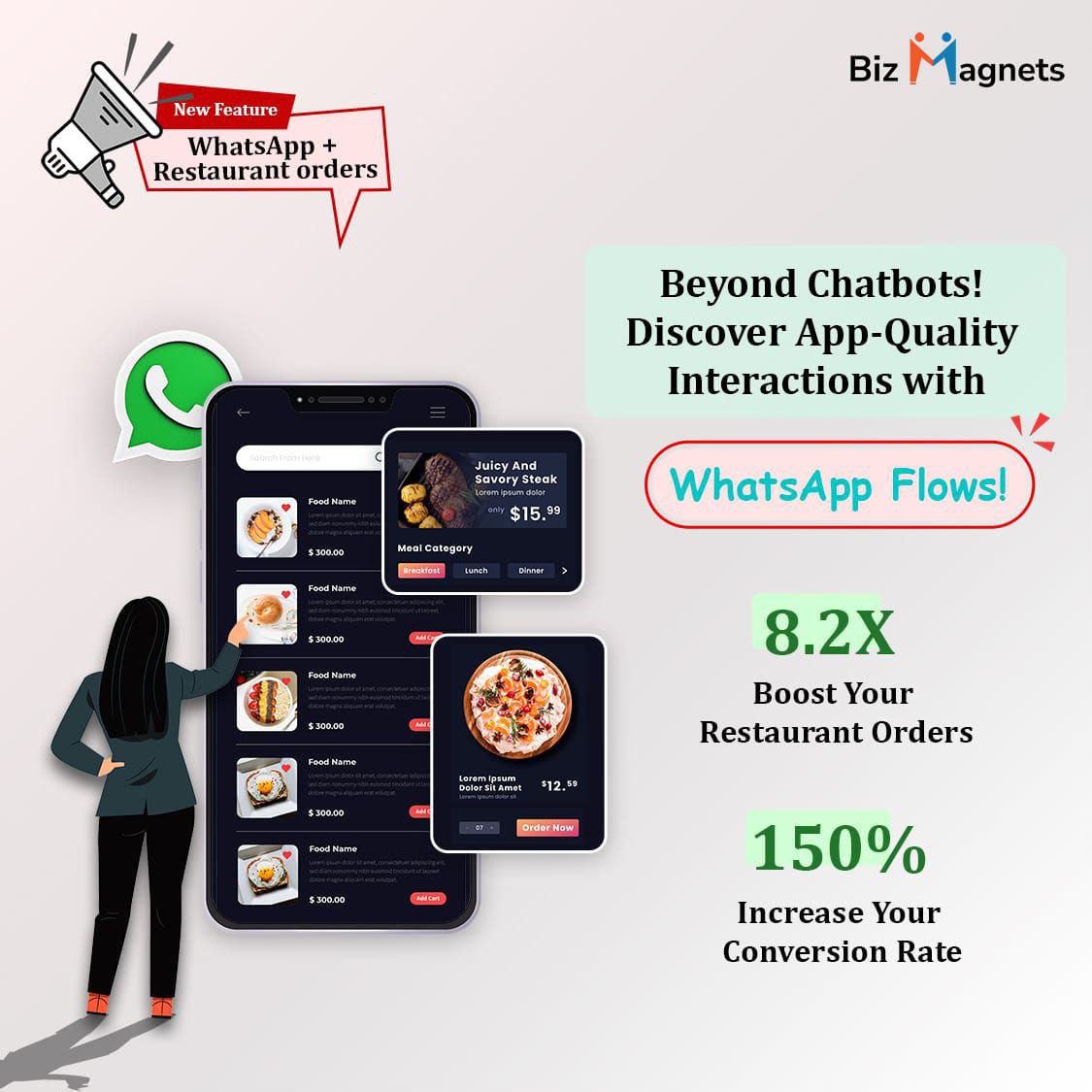
In a recent case study, a restaurant implemented WhatsApp Flows and saw an 8.2X increase in orders and a 150% boost in conversion rates. This success was attributed to the ease of use and the seamless experience provided by WhatsApp Flows, which encouraged more customers to place orders through the platform.
Future Trends: The Evolution of WhatsApp Flows
The future of WhatsApp Flows looks promising, with continuous advancements expected in the coming years. Some anticipated trends include:
1. Enhanced AI Capabilities: As artificial intelligence continues to evolve, WhatsApp Flows will become even more intelligent, offering more personalized and predictive interactions.
2. Integration with Other Platforms: We can expect deeper integrations with other digital platforms and tools, creating a more cohesive and interconnected digital ecosystem.
3. Increased Adoption Across Industries: As businesses recognize the value of WhatsApp Flows, its adoption will spread across various sectors, from retail and healthcare to education and finance.
Best Practices for Maximizing the Impact of WhatsApp Flows
To fully leverage the potential of WhatsApp Flows, businesses should adhere to the following best practices:
1. Prioritize User Experience: Ensure that the flow is intuitive, user-friendly, and provides value at each interaction point.
2. Maintain Consistent Branding: Align the design and tone of your WhatsApp Flows with your overall brand identity to create a cohesive customer experience.
3. Monitor and Analyze Performance: Regularly track key performance metrics and gather user feedback to identify areas for improvement and optimize the flow accordingly.
4. Stay Compliant: Adhere to data privacy regulations and ensure that customer data is handled securely and ethically.
Conclusion: Embracing the Power of WhatsApp Flows
In conclusion, WhatsApp Flows represents a significant leap forward in customer interaction technology. By offering app-quality experiences within the familiar WhatsApp interface, businesses can enhance engagement, streamline operations, and drive higher conversion rates. As the digital landscape continues to evolve, embracing tools like WhatsApp Flows will be crucial for businesses looking to stay ahead of the curve and deliver exceptional customer experiences.

Are you looking to build smart ai chatbot for your business?
It's ok if you don't have much technical knowledge of how to create chatbot here you have best option.
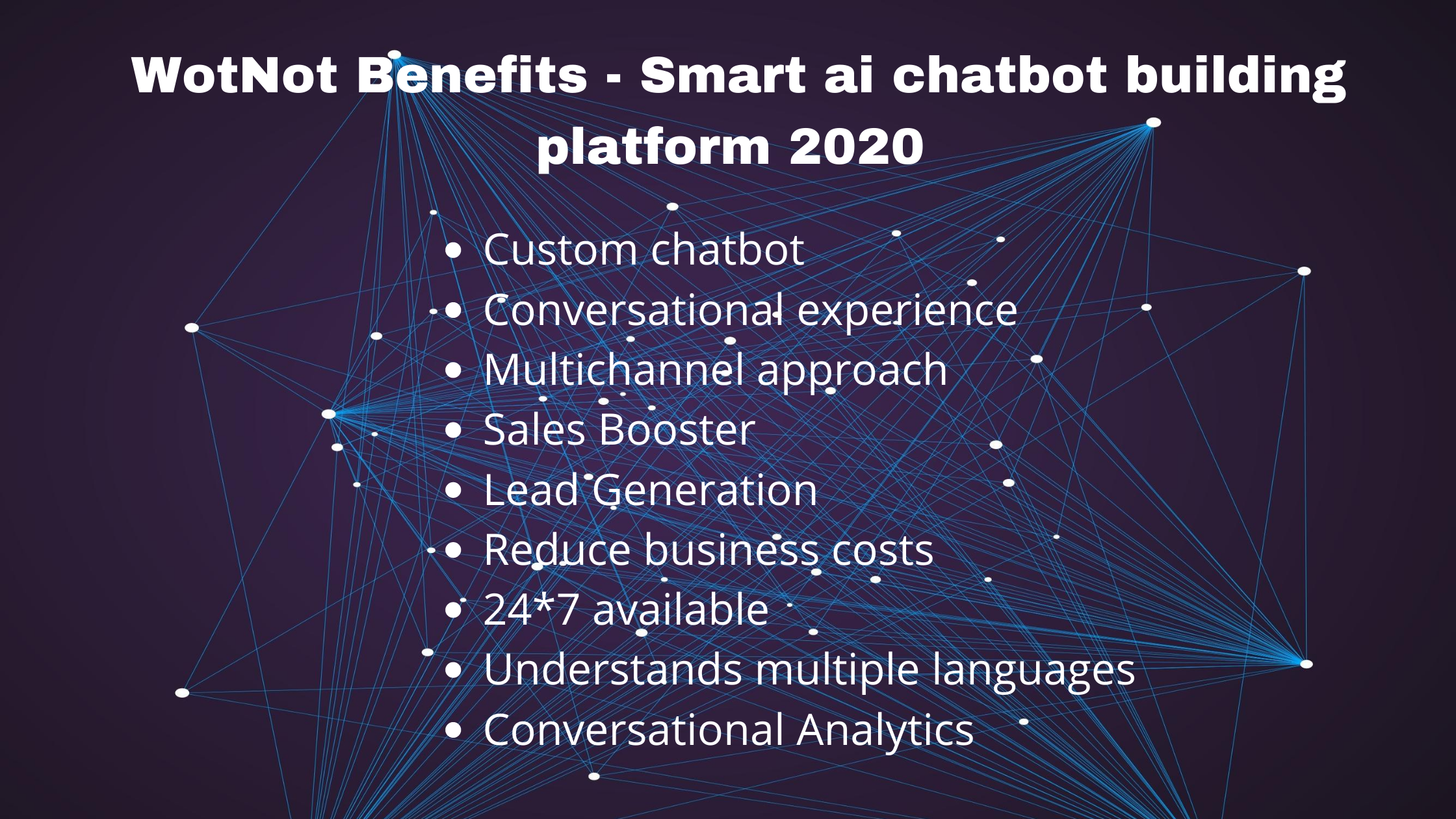
WotNot is the best chatbot devlopmnet platform in 2020 you may have quetions why, here are the benefits to using WotNot to build smart chatbot.Benefits of WotNot - the leading chatbot platform 2020Custom chatbotConversational experienceMultichannel approachSales BoosterLead GenerationReduce business costs24*7 available Understands multiple languagesConversational AnalyticsBy using WotNot transforms your buisness to conversational AI.
WotNot have chatbot templates for different categories like travel,health,bankinng and finance and many more.
Build smart ai chatbot to engage the targeted auidance of your buisness.
It increase the employees productivity and sales.