





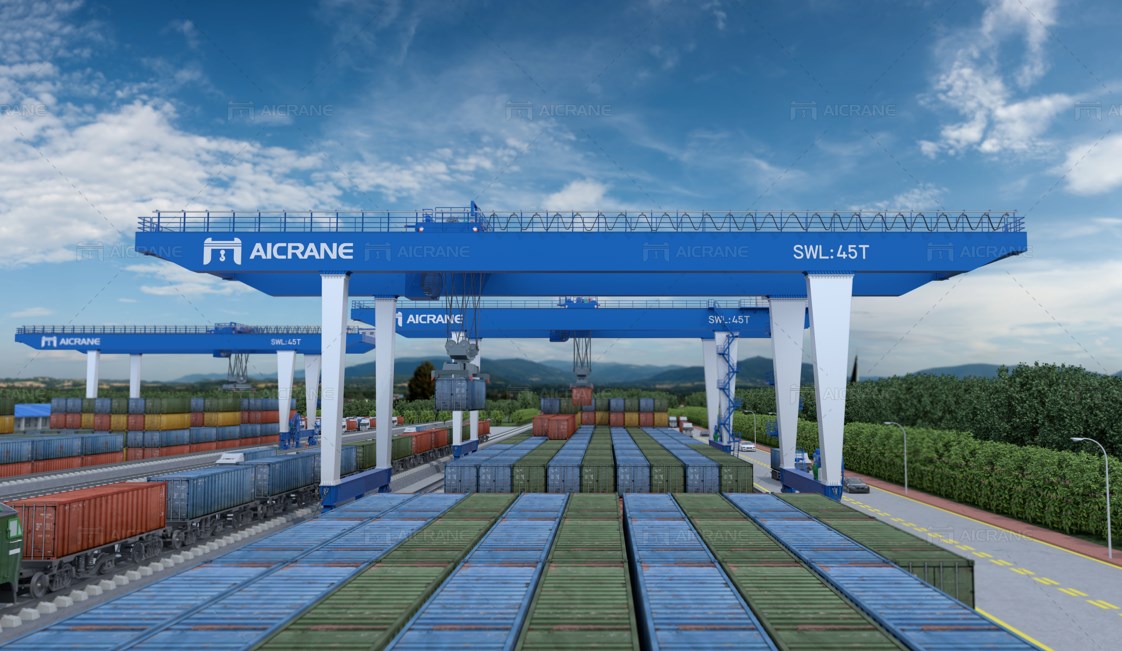
Understanding Container Gantry Cranes: Essential Equipment for Efficient Port Operations
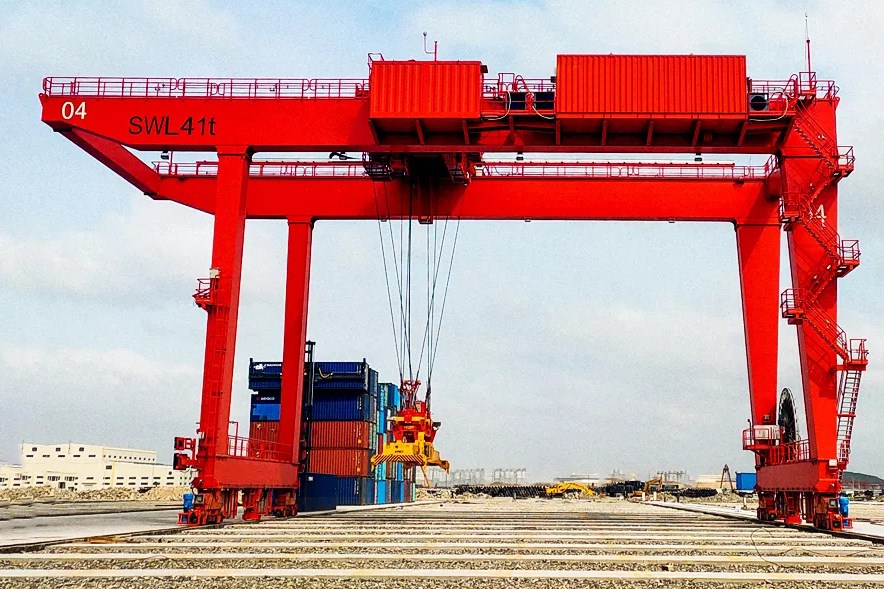
Container gantry cranes are a critical piece of equipment in the logistics and shipping industries. These cranes are designed specifically for loading and unloading container ships, making them essential for efficient port operations. A container gantry crane typically consists of a large steel structure with a trolley and hoisting mechanism that can move containers vertically and horizontally.
These cranes come in various types, including rail-mounted gantry cranes (RMG) and rubber-tired gantry cranes (RTG). RMG cranes are fixed on rails and are commonly used in container terminals, while RTG cranes are mobile and can be moved around the terminal as needed. Each type has its own set of advantages and is suited for different operational requirements.
Evaluating Container Handling Equipment: A Comprehensive Approach
When it comes to container handling equipment, it's crucial to consider the specific needs of your operation. Container handling equipment encompasses a wide range of machinery, including gantry cranes, straddle carriers, reach stackers, and forklifts. Each piece of equipment plays a unique role in the handling and transportation of containers within a port or terminal.
Container gantry cranes are the backbone of container handling operations, providing the primary means of lifting and moving containers on and off ships. Straddle carriers and reach stackers are used for transporting containers within the terminal, while forklifts are typically used for handling smaller loads and moving containers in storage areas.
When evaluating container handling equipment, consider factors such as the size and layout of your terminal, the volume of containers you handle, and the specific requirements of your operations. It's also essential to consider the maintenance and operational costs associated with each type of equipment.
Factors Influencing Gantry Crane Price: What You Need to Know
The price of a gantry crane can vary significantly based on several factors. Understanding these factors can help you make an informed decision when purchasing a crane for your operations.
One of the primary factors influencing the price of a gantry crane is its type. Rail-mounted gantry cranes tend to be more expensive than rubber-tired gantry cranes due to their fixed installation and higher lifting capacities. Additionally, the size and lifting capacity of the crane play a significant role in determining its price. Larger cranes with higher lifting capacities are typically more expensive.
The brand and manufacturer of the crane can also impact its price. Established brands with a reputation for quality and reliability may command higher prices, but they often offer better warranties and after-sales support. On the other hand, lesser-known brands may offer more competitive pricing but may lack the same level of support and reliability.
Customization and additional features can also affect the price of a gantry crane. Cranes with advanced automation systems, remote control capabilities, and other specialized features may come at a higher cost. It's essential to evaluate whether these features are necessary for your operations and if they justify the additional expense. To learn more about gantry crane price, view this page.
Deciphering Container Crane Specifications: Key Metrics to Consider
When comparing container gantry cranes, it's crucial to understand the specifications and how they relate to your operational needs. Key specifications to consider include lifting capacity, span, lifting height, and speed.
The lifting capacity of a crane refers to the maximum weight it can lift. This is a critical specification to consider, as it determines the types of containers the crane can handle. Ensure that the crane you choose has a lifting capacity that meets or exceeds the weight of the containers you typically handle.
The span of a gantry crane refers to the distance between its legs. This specification determines the width of the area the crane can cover. A larger span allows the crane to cover more ground, making it suitable for larger terminals with wider container stacks.
The lifting height of a gantry crane is the maximum height it can lift a container. This specification is particularly important for terminals with high container stacks or for loading and unloading large container ships. Ensure that the crane's lifting height meets the requirements of your operations.
The speed of a gantry crane, including its hoisting speed and trolley speed, affects the efficiency of your operations. Faster speeds can increase the throughput of your terminal, reducing the time it takes to load and unload ships. However, higher speeds may also come with increased operational and maintenance costs.
Making a Smart Investment in Container Gantry Cranes: A Buyer’s Guide
Investing in a container gantry crane is a significant decision that can have a lasting impact on your operations. To make a smart investment, it's essential to conduct a thorough evaluation of your needs and consider all relevant factors.
Start by assessing your current and future operational requirements. Consider the volume of containers you handle, the size and layout of your terminal, and any anticipated changes in your operations. This assessment will help you determine the type and specifications of the gantry crane that best meet your needs.
Next, research different brands and manufacturers to find a reliable and reputable supplier. Look for manufacturers with a proven track record of quality and reliability, and consider their after-sales support and warranty offerings. It's also helpful to read reviews and testimonials from other customers to gauge their experiences with the manufacturer.
When comparing prices, be sure to consider the total cost of ownership, including maintenance, operational costs, and any additional features or customization. While it may be tempting to choose the lowest-priced option, it's essential to evaluate whether it offers the best value for your investment.
Finally, consider the long-term benefits of your investment. A high-quality gantry crane can improve the efficiency and productivity of your operations, leading to increased throughput and reduced operational costs. By making a well-informed decision, you can ensure that your investment in a container gantry crane pays off in the long run.
Conclusion
In conclusion, purchasing a container gantry crane is a significant investment that requires careful consideration of various factors, including the type of crane, its specifications, and the total cost of ownership. By understanding the different types of container handling equipment, evaluating key specifications, and considering the long-term benefits, you can make a smart investment that enhances the efficiency and productivity of your operations.
Remember to thoroughly research different brands and manufacturers, assess your operational needs, and consider the total cost of ownership when making your decision. With the right container gantry crane, you can ensure smooth and efficient container handling operations, ultimately contributing to the success of your business.
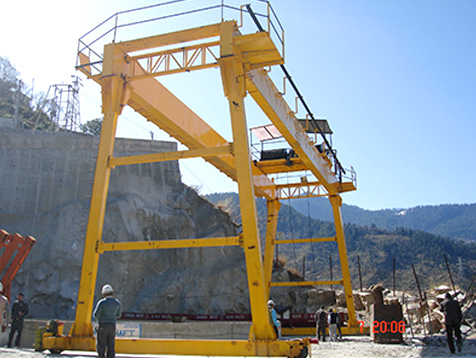
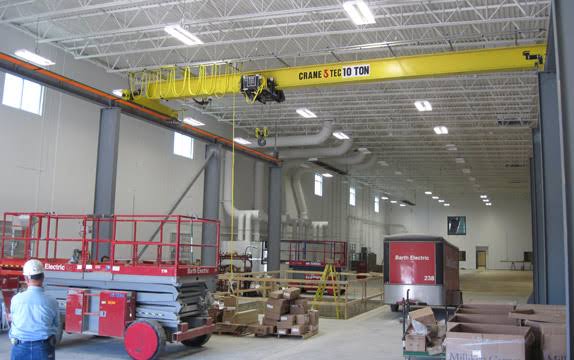
Cranetec has become the first choice for sales, repairs and maintenance by some of Australia’s leading companies.
Cranetec has been the premier Australian crane manufacturers and gantry crane suppliers in Sydney for over 20 years.
We supply overhead crane, hoists, crane components, and a wide range of other first-rate products and services.
Cranetec offers a comprehensive range of superior lifting solutions made to suit all types of industrial applications.
Our experts can meet all of your cranes and material handling requirements, from concept development, fabrication, installation, and much more.
We are adamant about giving our customers high-quality products and services that are safe, reliable, and improve the efficiency and performance of your worksite.