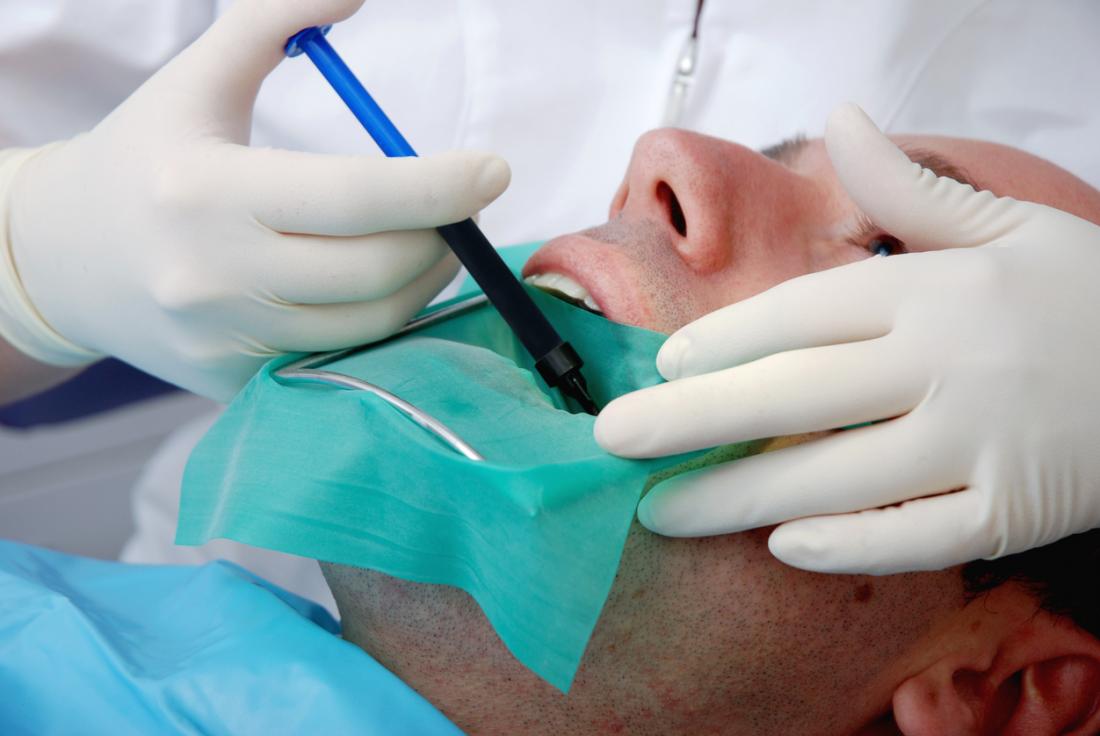
Root canals are one of the most common and effective dental procedures for saving damaged or infected teeth. Despite their reputation for being painful or intimidating, modern root canals treatments are relatively quick, comfortable, and highly successful. If you’ve been told that you need a root canal or are curious about the procedure, this guide will provide everything you need to know, including what a root canal is, why it’s necessary, what to expect during the procedure, and how to care for your teeth afterward.
Table of Contents:
- What is a Root Canal?
- Why is a Root Canal Necessary?
- Symptoms That May Indicate You Need a Root Canal
- The Root Canal Procedure: Step-by-Step
- Pain and Recovery After a Root Canal
- Cost of a Root Canal: What to Expect
- Alternatives to Root Canals
- How to Prevent the Need for a Root Canal
- Frequently Asked Questions
- Conclusion
1. What is a Root Canal?
A root canal is a dental procedure used to treat an infection or damage in the pulp of a tooth. The pulp is the soft tissue inside the tooth that contains nerves, blood vessels, and connective tissue. When this tissue becomes infected or inflamed, it can cause severe pain, swelling, and even tooth loss if not treated promptly.
During a root canal, the infected or damaged pulp is removed, and the inside of the tooth is cleaned, disinfected, and sealed to prevent further infection. This procedure helps preserve the natural tooth structure and eliminates the need for extraction.
2. Why is a Root Canal Necessary?
Root canals are necessary when the pulp inside a tooth becomes infected or damaged due to deep decay, repeated dental procedures on the tooth, large fillings, or trauma to the tooth (such as cracks or chips). Without treatment, the infection can spread to the surrounding bone and tissues, leading to more severe health problems, such as:
- Abscesses: Pus-filled pockets that form at the tip of the root.
- Bone loss around the tip of the root.
- Swelling that may spread to other areas of the face, neck, or head.
- Drainage problems extending from the root.
A root canal eliminates the infection, relieves pain, and saves the tooth from needing extraction.
3. Symptoms That May Indicate You Need a Root Canal
Several signs and symptoms suggest that you may need a root canal. These include:
- Severe tooth pain: Often triggered by chewing or applying pressure.
- Prolonged sensitivity to hot or cold: Even after the source of the heat or cold is removed.
- Swollen or tender gums: Often near the affected tooth.
- Darkening of the tooth: Due to internal damage.
- Pimple-like bumps on the gums: Indicating infection.
- Persistent or recurring pain: That doesn’t resolve with over-the-counter pain relievers.
If you experience any of these symptoms, it’s crucial to visit a dentist for an evaluation. Early treatment can prevent further complications.
4. The Root Canal Procedure: Step-by-Step
The root canal procedure is typically performed by a dentist or an endodontist (a specialist in root canal therapy). Here’s what you can expect during the process:
a. Initial Consultation and X-rays
Before the procedure, the dentist will take X-rays to assess the extent of the damage or infection in the tooth. This helps in planning the treatment and identifying the number of root canals (each tooth can have one to four).
b. Local Anesthesia
The dentist will administer local anesthesia to numb the area around the affected tooth. While many people fear root canals are painful, the anesthesia ensures that the procedure is virtually painless.
c. Creating an Opening in the Tooth
Once the tooth is numb, the dentist will make a small opening in the crown (top) of the tooth to access the pulp chamber and root canals.
d. Removing the Infected Pulp
Using special instruments, the dentist will remove the infected or damaged pulp from the pulp chamber and root canals. The space inside the tooth is then cleaned and disinfected to eliminate bacteria and prevent future infections.
e. Shaping and Filling the Canals
After the canals are cleaned, they are shaped and filled with a biocompatible material called gutta-percha. This material seals the canals to prevent re-infection.
f. Sealing the Tooth
Once the canals are filled, the dentist will seal the opening in the tooth with a temporary or permanent filling. In many cases, a crown (a protective cap) will be placed on the tooth to restore its strength and appearance.
5. Pain and Recovery After a Root Canal
While many people fear root canals, the procedure is designed to relieve pain, not cause it. With modern techniques and anesthesia, most patients experience little to no discomfort during the procedure itself. After the treatment, you may experience some tenderness or mild discomfort for a few days, which can typically be managed with over-the-counter pain relievers such as ibuprofen.
Recovery Tips:
- Avoid chewing on the treated tooth until it’s fully restored with a permanent filling or crown.
- Maintain good oral hygiene by brushing and flossing regularly.
- Follow your dentist’s instructions regarding any medications or post-procedure care.
6. Cost of a Root Canal: What to Expect
The cost of a root canal can vary based on several factors, including the location of the tooth (front teeth tend to be less expensive than molars), the complexity of the procedure, and whether it’s performed by a general dentist or an endodontist.
General Cost Breakdown:
- Front teeth (incisors and canines): $300 to $1,500.
- Premolars: $400 to $1,800.
- Molars: $500 to $2,000.
Keep in mind that these costs do not include the price of a crown, which may be necessary to restore the tooth after the root canal. Crowns can cost an additional $500 to $3,000, depending on the material used (porcelain, metal, or a combination).
7. Alternatives to Root Canals
In some cases, a root canal may not be the best option for saving a tooth, and alternative treatments may be recommended. These include:
a. Tooth Extraction
If the tooth is too damaged or infected to be saved, the dentist may recommend extraction. After the tooth is removed, options for replacing it include dental implants, bridges, or partial dentures.
b. Pulp Capping
In cases of minor pulp inflammation, a procedure called pulp capping may be performed to place a protective dressing over the pulp and allow it to heal without removing it.
c. Endodontic Retreatment
If a previous root canal was unsuccessful, retreatment may be needed. This involves reopening the tooth, cleaning the canals, and resealing them.
8. How to Prevent the Need for a Root Canal
The best way to avoid needing a root canal is to maintain excellent oral hygiene and take preventative measures to protect your teeth. Here are some tips:
- Brush twice a day with fluoride toothpaste.
- Floss daily to remove plaque and food particles between teeth.
- Visit your dentist regularly for cleanings and check-ups.
- Avoid chewing on hard foods like ice, hard candy, or popcorn kernels that can crack teeth.
- Wear a mouthguard if you play sports or grind your teeth at night.
Preventing tooth decay, infections, and trauma can significantly reduce your chances of needing a root canal.
9. Frequently Asked Questions
a. Is a root canal painful?
Thanks to modern anesthetics and techniques, root canal procedures are generally not painful. Most patients report that the experience is no more uncomfortable than getting a routine filling.
b. How long does a root canal take?
A standard root canal procedure usually takes about 60 to 90 minutes, depending on the complexity of the case. For molars or teeth with multiple canals, the process may take longer.
c. Will I need a crown after a root canal?
In many cases, a crown is necessary after a root canal to protect the tooth and restore its function. This is especially true for molars, which endure more pressure during chewing.
d. How long will a tooth last after a root canal?
With proper care, a tooth that has undergone a root canal can last a lifetime. Maintaining good oral hygiene and regular dental check-ups is crucial to prolonging the life of the treated tooth.
10. Conclusion
A root canal is a highly effective procedure for saving teeth that would otherwise need to be extracted due to infection or damage. While the idea of a root canal can be intimidating, modern techniques make the procedure relatively quick and Dentist in McKinney comfortable. By understanding the process and what to expect, you can approach root canal treatment with confidence and take the necessary steps to preserve your natural teeth.