

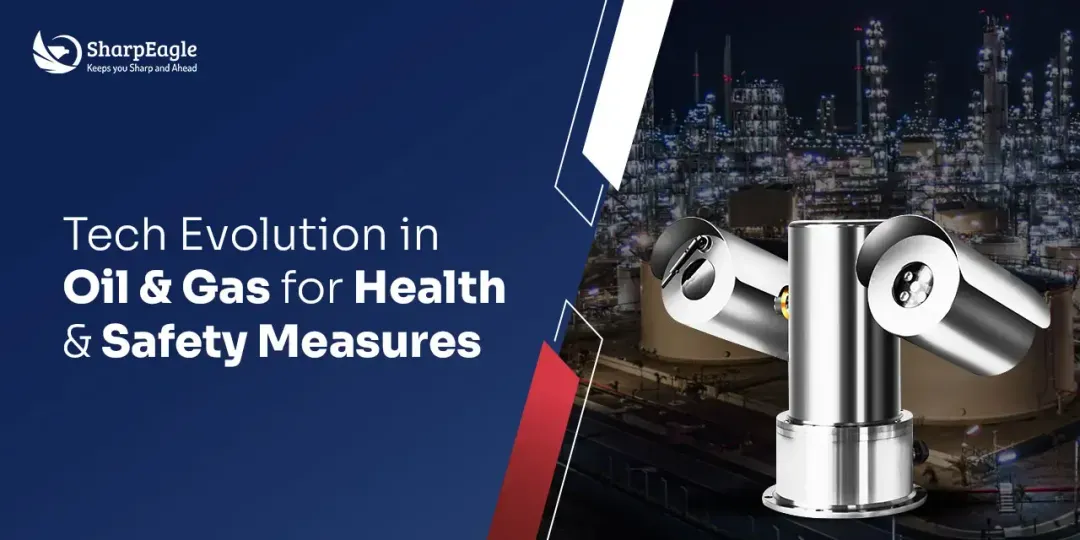

Labourers in the worldwide oil and gas industry are presented with outrageous physical and mental difficulties in conditions with severe security risks. In addition, safety and health regulations have become more stringent, and organisations that do not adhere to them risk severe penalties, legal action, and negative publicity.
According to the Occupational Safety and Health Administration (OSHA), the oil and gas industry has a seven times higher fatality rate that of all the other industries, demonstrating the health and safety hazards for workers if proper procedures are not followed.
Oil and gas sites host several heavy machinery, masts and rigs, stored hazardous chemicals, and highly flammable by-products. The well-being of the workers relies on the self-awareness and managerial efficiency of the industry.
Additionally, accidents in the oil and gas industry can also be costly from a business perspective. Twenty-one thousand eight hundred ninety-nine days of work were lost due to injuries in the companies that took part in the study, according to the IOGP report. There are a lot of fast-moving vehicles, machinery, and equipment in factories and plants worldwide, which could put frontline workers in danger.
Accidents continue to occur frequently, mostly involving younger workers with less experience, despite the existence of safety and compliance regulations. The International Labour Organization estimates that 313 million on-the-job accidents result in prolonged absences from work each year, resulting in a $3 trillion economic loss to the global economy.
Key Challenges to Health and Safety at Oil and Gas Industry Fatalities
"Caught in, under, or between" incidents, which exclude incidents involving dropped objects, accounted for most deaths in the oil and gas industry. Twelve people died in 2019 due to incidents that were "caught in, under, or between." Despite a decline in fatalities, there is still a steep incline in the frequency of accidents every year. Such incidents and the resulting injuries and fatalities harm the industry's reputation while inflicting significant emotional and psychological trauma on the victims and their loved ones.
Workers must receive training to understand the risks of falling, falling into confined spaces, being stuck or pulled into by machinery, electrical hazards, explosions, chemical exposure, and potential vehicular accidents. Workers' health risks include hearing impairment, frostbite, severe burns, respiratory problems, acute fatigue, and harm caused by moving heavy cargo and extreme work environments, often in remote locations. Workers must also be capable of handling so-called “fly in, fly out” procedures, which require them to travel to far-flung places for predetermined periods and work long shifts.Read more