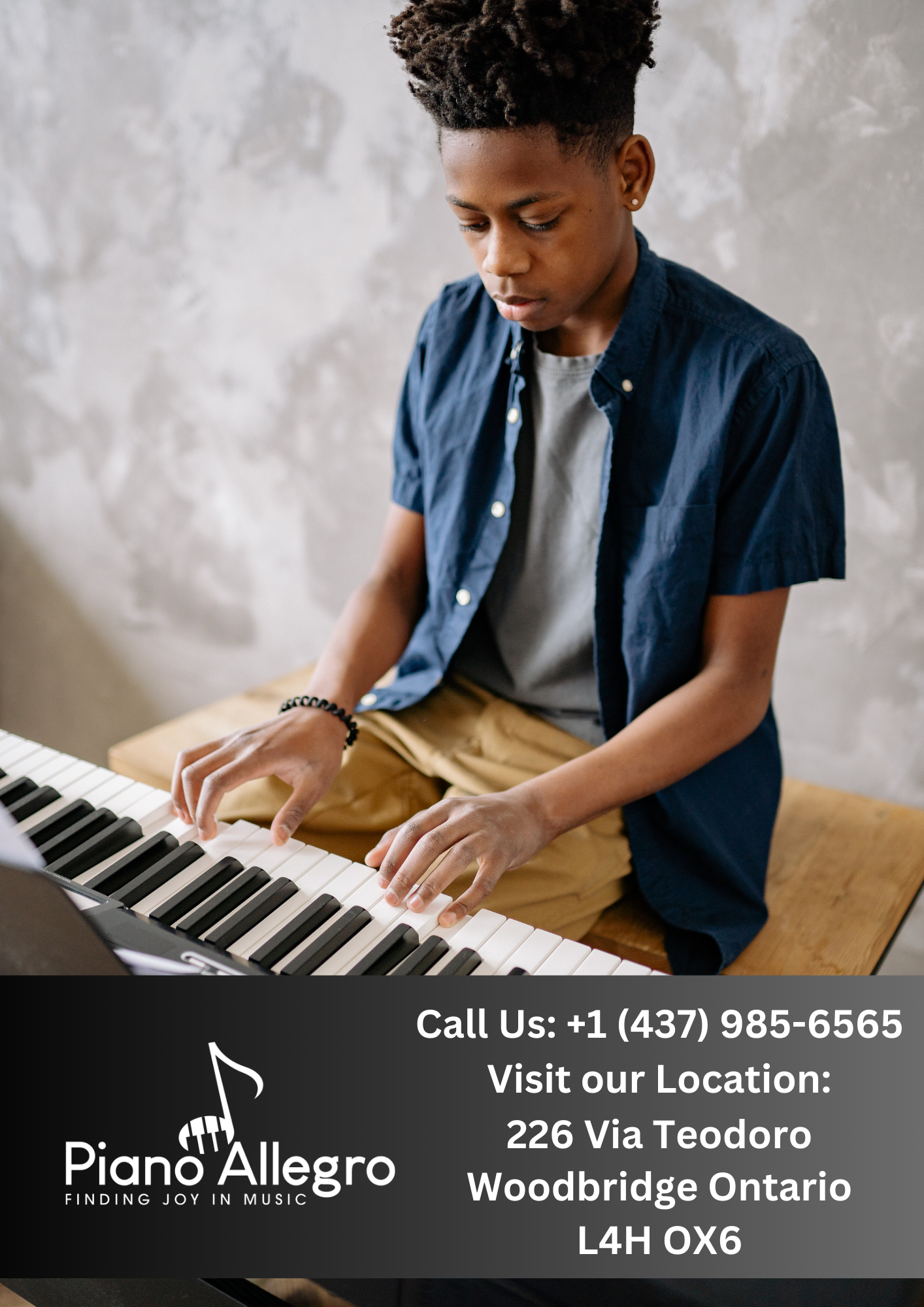
Online Piano Lessons: Revolutionizing Traditional Learning
The advent of social media has significantly transformed the landscape of piano education. Traditional piano lessons, often characterized by physical presence and face-to-face interactions, have evolved into a more dynamic and accessible form through online piano lessons. These lessons offer unparalleled flexibility, allowing learners to schedule sessions at their convenience and learn from the comfort of their homes. Platforms like YouTube, Instagram, and TikTok are brimming with piano tutorials, ranging from beginner to advanced levels, catering to a wide array of musical tastes and preferences.
Online piano lessons often feature renowned pianists and educators who share their expertise through video tutorials, live sessions, and interactive workshops. This democratization of piano education has made it possible for anyone with an internet connection to access high-quality instruction that was once limited to formal music schools. Additionally, the ability to replay videos and practice at one's own pace enhances the learning experience, ensuring that students can master each concept before moving on to the next.
Moreover, social media platforms foster a sense of community among piano learners. Online forums, groups, and pages dedicated to piano enthusiasts provide a space for individuals to share their progress, seek advice, and celebrate their achievements. This sense of camaraderie and mutual support can be incredibly motivating, especially for those who may feel isolated in their musical journey.
Piano Learning Apps: Your Personal Music Coach
Piano learning apps have emerged as powerful tools for aspiring pianists, offering a blend of technology and education to create an engaging and effective learning experience. These apps provide structured lessons, real-time feedback, and interactive exercises that cater to various skill levels. Some popular piano learning apps include Simply Piano, Flowkey, and Yousician, each offering unique features to enhance the learning process.
Simply Piano, for instance, uses a combination of video tutorials and interactive sheet music to guide learners through each lesson. The app listens to the user's playing and provides instant feedback, helping them to correct mistakes and improve their technique. Flowkey, on the other hand, offers a vast library of songs and exercises, allowing users to learn at their own pace and choose pieces that match their interests and skill level. Yousician takes a gamified approach to piano learning, incorporating elements of competition and achievement to keep users engaged and motivated.
One of the most significant advantages of piano learning apps is their accessibility. These apps can be downloaded on smartphones, tablets, and computers, making it easy for users to practice anytime, anywhere. Additionally, many apps offer free trials or affordable subscription plans, making high-quality piano education more accessible to a broader audience.
Piano Learning Online: A World of Possibilities
The internet has opened up a world of possibilities for piano learners, offering a wealth of resources and opportunities to enhance their skills. Online piano courses, virtual masterclasses, and interactive tutorials provide a comprehensive and flexible approach to piano education. Websites like Udemy, Coursera, and MasterClass offer a wide range of piano courses taught by experienced instructors, covering everything from basic techniques to advanced performance skills.
Virtual masterclasses, often hosted by renowned pianists and music educators, provide an opportunity for learners to receive personalized feedback and guidance. These sessions, conducted via video conferencing platforms, allow students to interact with their instructors in real-time, ask questions, and receive constructive criticism. This level of personalized instruction can be incredibly beneficial for learners looking to refine their skills and achieve their musical goals.
Interactive tutorials on platforms like YouTube and Instagram offer a more informal approach to piano learning. These tutorials often feature step-by-step instructions, demonstrations, and tips from experienced pianists, making it easy for learners to follow along and practice at their own pace. The ability to pause, rewind, and replay videos ensures that learners can fully grasp each concept before moving on to the next lesson.
Piano Learning Resources: Expanding Your Musical Horizons
In addition to online lessons and apps, there are numerous piano learning resources available on social media that can help learners expand their musical horizons. Sheet music websites, music theory blogs, and online forums provide valuable information and support for piano enthusiasts of all levels.
Sheet music websites like IMSLP, MusicNotes, and 8notes offer a vast collection of free and paid sheet music, covering a wide range of genres and difficulty levels. These resources make it easy for learners to find new pieces to practice and explore different styles of music. Music theory blogs and websites, such as MusicTheory.net and Teoria, provide comprehensive lessons and exercises to help learners understand the theoretical aspects of piano playing, from reading sheet music to understanding chord progressions and scales.
Online forums and communities, such as Piano World and Reddit's r/piano, offer a platform for piano enthusiasts to connect, share their experiences, and seek advice. These communities can be a valuable source of support and motivation, helping learners stay engaged and inspired on their musical journey.
Piano Tips and Tricks: Mastering the Art of Piano Playing
Social media is a treasure trove of piano tips and tricks, offering practical advice and techniques to help learners improve their playing. From finger exercises and hand positioning to practice routines and performance tips, there is no shortage of valuable information available online.
Many experienced pianists and educators share their insights on social media platforms, providing tips on how to overcome common challenges and enhance one's playing technique. For example, practicing scales and arpeggios regularly can help improve finger strength and dexterity, while focusing on proper hand positioning can prevent strain and injury. Additionally, breaking down complex pieces into smaller sections and practicing them slowly can make it easier to master difficult passages and build confidence.
Performance tips, such as how to manage stage fright and prepare for recitals, are also widely shared on social media. Experienced performers often share their strategies for staying calm and focused during performances, helping learners develop the skills and confidence needed to perform in front of an audience.
Building a Supportive Community: Connecting with Fellow Learners
One of the most significant benefits of leveraging social media for piano learning is the ability to connect with fellow learners and enthusiasts from around the world. These connections can provide a sense of belonging, encouragement, and motivation that is essential for sustained progress. Social media platforms host various groups, pages, and forums where piano learners can share their experiences, ask questions, and offer support to one another.
Participating in online challenges, collaborations, and recitals can also be a great way to stay engaged and motivated. Many social media platforms host piano challenges where learners can showcase their skills, receive feedback, and gain recognition for their efforts. Collaborative projects, such as virtual duets or group performances, allow learners to work together, share ideas, and create beautiful music as a team.
Access to Diverse Musical Styles: Exploring New Genres
Social media exposes piano learners to a vast array of musical styles and genres, encouraging them to explore and expand their musical repertoire. From classical and jazz to pop and contemporary, there is no shortage of inspiration available online. Learners can discover new pieces, artists, and styles that they may not have encountered otherwise, broadening their musical horizons and enriching their playing experience.
Many social media influencers and educators specialize in specific genres, offering tutorials, performances, and insights that cater to various musical tastes. By following these influencers, learners can gain a deeper understanding of different styles, techniques, and interpretations, enhancing their overall musicality and versatility.
Staying Up-to-Date with Trends: Embracing Innovation in Piano Learning
The world of piano education is constantly evolving, with new trends, technologies, and methodologies emerging regularly. Social media is an excellent platform for staying up-to-date with these developments, ensuring that learners have access to the latest tools and resources. By following industry leaders, educators, and innovators, piano learners can stay informed about new apps, courses, and techniques that can enhance their learning experience.
Embracing innovation in piano learning can lead to more effective and enjoyable practice sessions. For example, incorporating technology such as digital pianos, MIDI controllers, and music production software can open up new possibilities for creativity and expression. Additionally, exploring new teaching methods, such as the Suzuki method or the Kodály method, can provide fresh perspectives and approaches to learning the piano.
Conclusion: Transforming Your Piano Skills with Social Media
In conclusion, social media has revolutionized the way we learn and play the piano, offering a wealth of resources, support, and opportunities for growth. By leveraging online piano lessons, learning apps, and various online resources, aspiring pianists can enhance their skills, expand their musical horizons, and connect with a global community of piano enthusiasts. Whether you are a beginner or an advanced player, social media provides the tools and inspiration needed to transform your piano skills and achieve your musical goals.
As you embark on your piano learning journey, remember to take advantage of the diverse and dynamic resources available on social media. Engage with fellow learners, explore new genres, stay informed about the latest trends, and most importantly, enjoy the process of making music. With dedication, perseverance, and the support of the online piano community, you can achieve remarkable progress and unlock your full potential as a pianist.