When it comes to high-vibration applications, selecting the right hose is crucial for maintaining system performance and longevity. Among the many options available, stainless steel braided flexible hoses are superior due to their robust construction and versatile applications. This comprehensive guide will explore why stainless steel braided flexible hoses are ideal for high-vibration environments, exploring their benefits, applications, and maintenance.
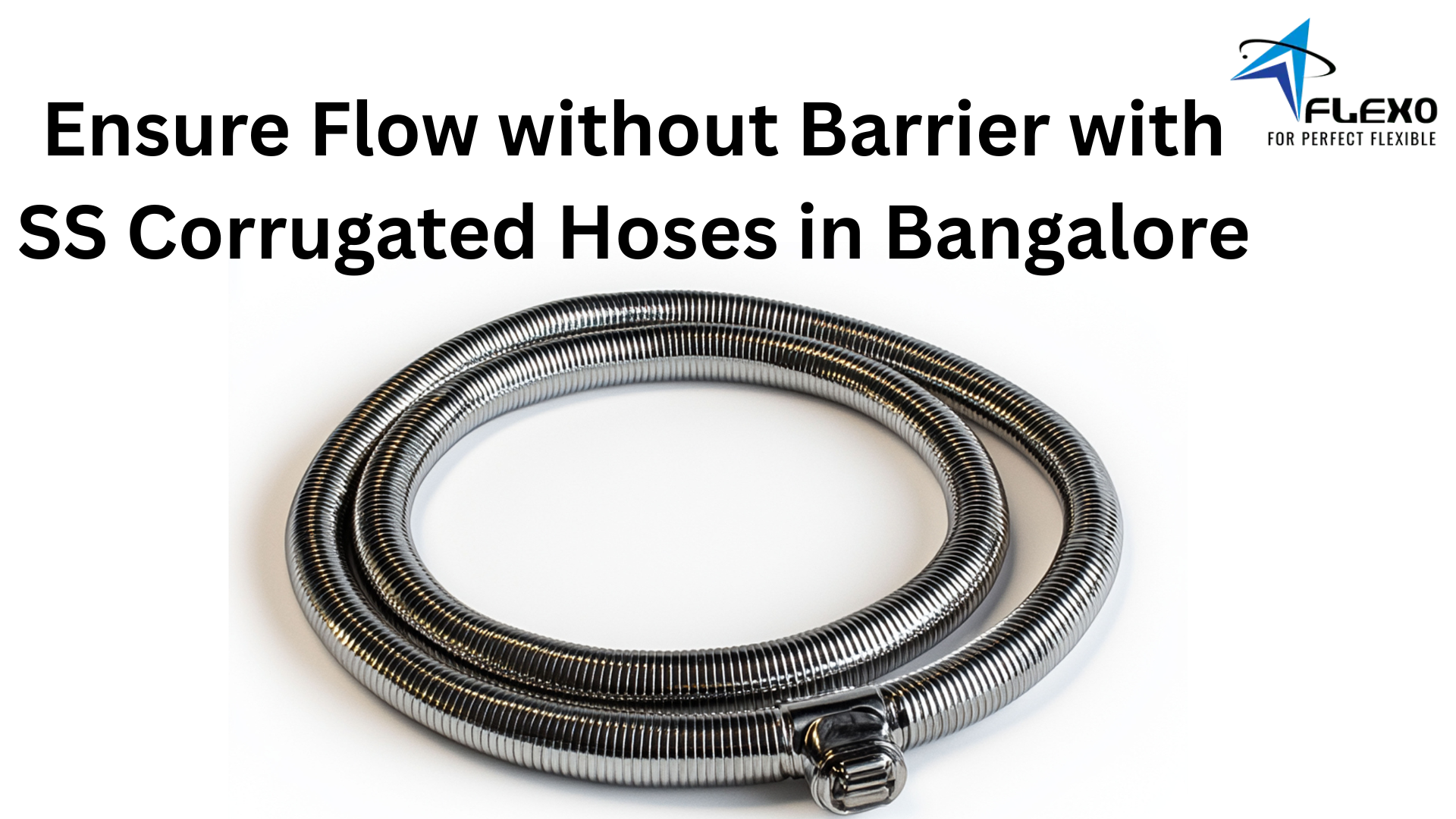
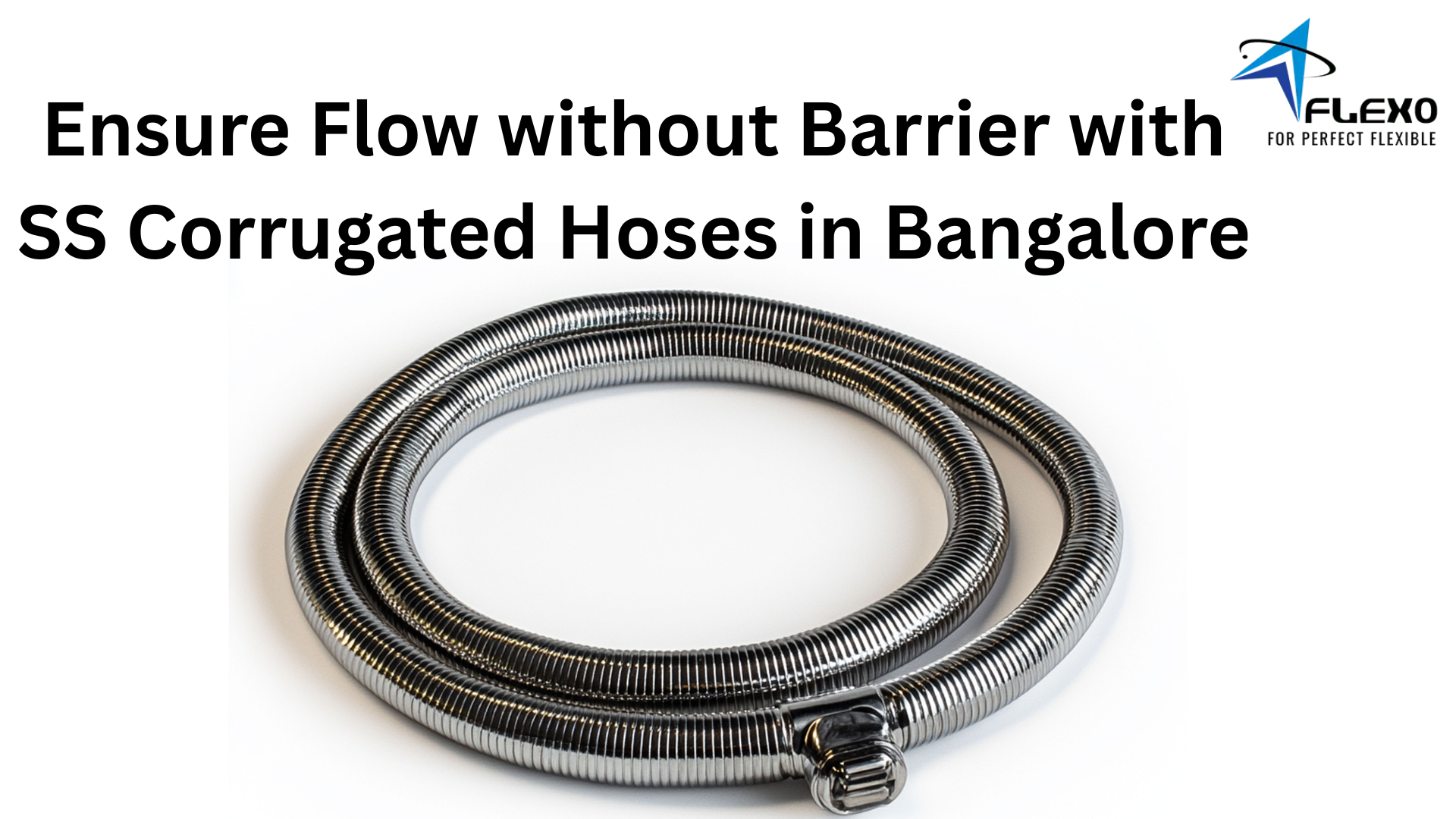
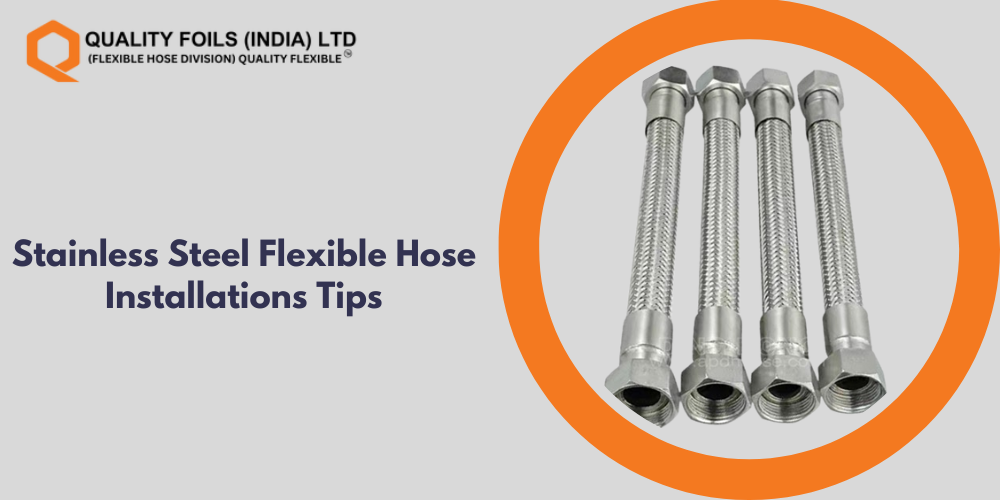
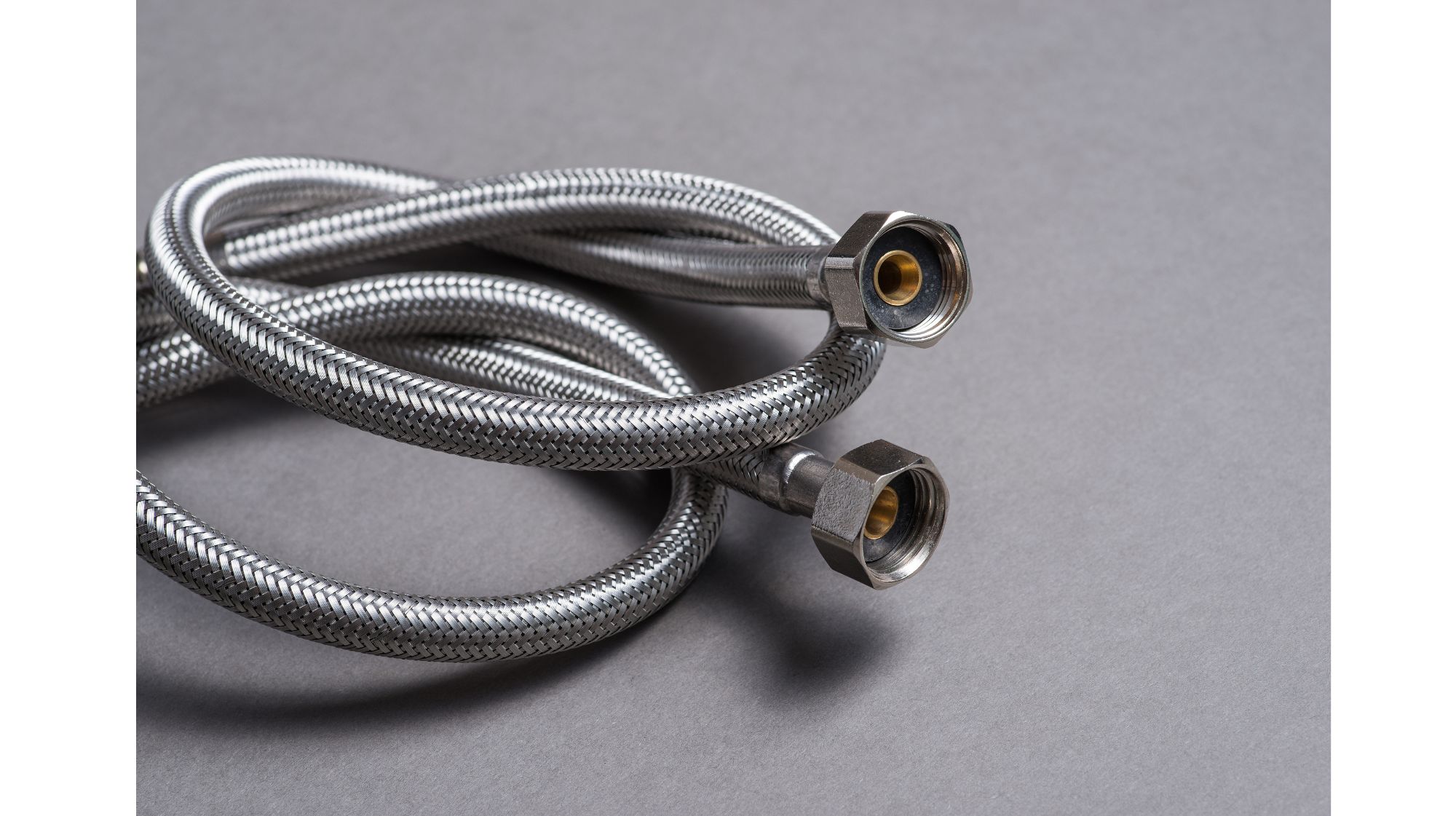
What are Stainless Steel Braided Flexible Hoses? Stainless steel braided flexible hoses are designed to handle a variety of fluids and gases under pressure while accommodating movement and vibration. These hoses feature a flexible inner core, typically made from rubber or PTFE (Polytetrafluoroethylene), surrounded by a braided layer of stainless steel. The stainless steel braid reinforces the hose, providing structural strength and protection against external damage.
Key Benefits of Stainless Steel Braided Flexible Hoses
Durability and Strength The stainless steel braid offers exceptional strength and durability, making these hoses highly resistant to abrasion, impact, and pressure fluctuations. This durability is crucial in high-vibration applications where traditional hoses might fail due to wear and tear. The stainless steel construction also resists extreme temperatures, corrosive environments, and high-pressure conditions.
Flexibility and Adaptability Despite their strength, stainless steel braided flexible hoses maintain high flexibility. This flexibility allows them to bend and conform to various routing requirements, essential in high-vibration environments where movement and shifting are common. Their adaptability makes them ideal for use in tight spaces and complex systems where rigid hoses would be impractical.
Leak Prevention The tight stainless steel braid enhances the hose's ability to contain fluids and gases, minimizing the risk of leaks. This is particularly important in high-vibration applications where even minor leaks can lead to significant system malfunctions or safety hazards. The reinforced construction of stainless steel braided flexible hoses ensures a secure and reliable seal.
Resistance to Environmental Factors Stainless steel braided flexible hoses are highly resistant to environmental factors such as moisture, UV rays, and chemicals. This resistance is crucial for applications exposed to harsh conditions or outdoor environments. The stainless steel braid protects against environmental damage, extending the hose's lifespan and maintaining performance.
Applications of Stainless Steel Braided Flexible Hoses
Automotive Industry In the automotive industry, stainless steel braided flexible hoses are commonly used for fuel lines, brake lines, and coolant systems. Their ability to withstand high pressures and vibrations makes them ideal for automotive applications where reliability and safety are paramount. They also offer improved performance and longevity compared to traditional rubber hoses.
Aerospace and Aviation The aerospace industry relies on stainless steel braided flexible hoses for hydraulic, fuel, and pneumatic systems. Aerospace applications' high-performance requirements demand hoses that can handle extreme pressures and temperatures while maintaining flexibility. Stainless steel braided flexible hoses easily meet these demands, ensuring safe and efficient operation.
Industrial Machinery Stainless steel braided flexible hoses are used in various machinery and equipment in industrial settings, including pumps, compressors, and conveyors. Their ability to handle high-pressure fluids and gases and their resistance to vibrations and environmental factors make them a preferred choice for many industrial applications.
Oil and Gas Industry The oil and gas industry uses stainless steel braided flexible hoses to transport crude oil, natural gas, and other fluids. The hoses' resistance to corrosion, high pressures, and extreme temperatures make them suitable for the harsh conditions encountered in this sector. They also provide reliable performance in dynamic environments where vibrations are a concern.
Installation and Maintenance Tips
Proper Installation To ensure optimal performance and longevity, stainless steel braided flexible hoses must be installed correctly. This includes using the appropriate fittings and ensuring the hose is routed without sharp bends or kinks. It's also important to avoid over-tightening the connections and damaging the hose or fittings.

Regular Inspection Regularly inspecting stainless steel braided flexible hoses is essential for identifying signs of wear or damage. Look for signs of corrosion, braid fraying, or leaks at the connections. Promptly address any issues to prevent potential system failures or safety hazards.
Cleaning and Maintenance Keep the hoses clean and free of contaminants that could affect their performance. Use appropriate cleaning agents and techniques based on the transported fluids and gases. Regular maintenance helps prolong the life of the hoses and ensures consistent performance.
Replacement Even with proper care, stainless steel braided flexible hoses will eventually need replacement. To maintain system integrity and safety, replace hoses at the first sign of significant wear or damage. Following manufacturer recommendations for replacement intervals can help prevent unexpected failures.
Conclusion Stainless steel braided flexible hoses offer an excellent solution for high-vibration applications, combining durability, flexibility, and resistance to harsh conditions. Their robust construction and adaptability make them suitable for various automotive and aerospace industries. By understanding their benefits, applications, and maintenance requirements, you can make informed decisions about integrating stainless steel braided flexible hoses into your systems. Investing in high-quality stainless steel braided flexible hoses is a smart choice for any application where reliability and performance are critical. They provide the strength and flexibility needed to handle the challenges of high-vibration environments, ensuring safe and efficient operation for years to come.