


Introduction to Routine Car Maintenance
Owning a vehicle comes with the responsibility of ensuring it remains in optimal condition. Regular maintenance is not only essential for the longevity of your car but also for your safety and the efficiency of your vehicle. This guide will explore the most important routine maintenance tasks every vehicle owner should be familiar with to keep their car running smoothly and efficiently.
Understanding the Importance of Oil Changes
Oil is the lifeblood of your car's engine. Regular oil changes are crucial because they keep the engine lubricated, ensure smooth operation, and prevent overheating. Over time, oil breaks down and becomes contaminated with dirt, debris, and other particles, making it less effective. Most manufacturers recommend changing the oil every 3,000 to 5,000 miles, but it's best to consult your car's manual for specific guidelines.
Checking and Replacing Air Filters
Air filters play a vital role in ensuring that clean air reaches your engine. A clogged air filter can decrease your car's performance and fuel efficiency. It's recommended to check your air filter every 12,000 to 15,000 miles and replace it if it appears dirty. A clean air filter can improve acceleration, enhance fuel efficiency, and prolong the life of your engine.
Monitoring Tire Pressure and Tread Depth
Properly inflated tires are essential for safe driving and fuel efficiency. Under-inflated tires can lead to poor handling, reduced fuel economy, and increased tire wear. It's important to check your tire pressure at least once a month and before long trips. Additionally, monitoring tread depth is crucial for maintaining traction, especially in wet or slippery conditions. Use a tread depth gauge to ensure your tires have sufficient tread and replace them if the depth is below 2/32 of an inch.
Inspecting and Replacing Brake Pads
Brakes are one of the most critical safety features of your vehicle. Regular inspection of brake pads and rotors can prevent brake failure and ensure your car stops effectively. Most brake pads need to be replaced every 25,000 to 70,000 miles, depending on your driving habits and the type of pads used. Listen for squeaking or grinding noises, which can indicate worn brake pads that need immediate attention.
Ensuring Proper Fluid Levels
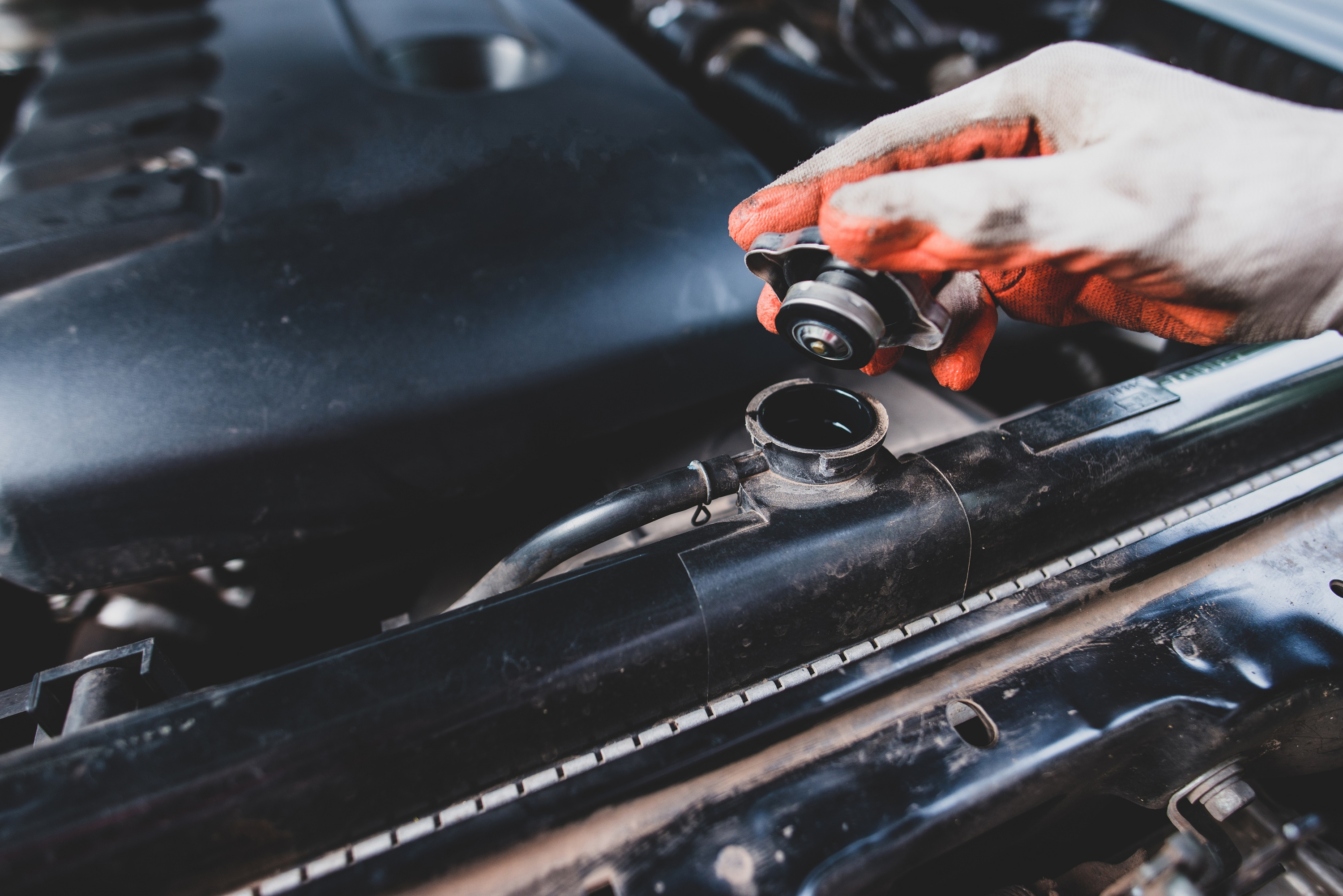
Your car relies on various fluids to operate smoothly, including coolant, transmission fluid, brake fluid, and power steering fluid. Regularly checking and topping off these fluids can prevent major mechanical issues. For instance, low coolant levels can lead to overheating, while insufficient transmission fluid can cause shifting problems. Refer to your vehicle's manual for the location of fluid reservoirs and the recommended maintenance schedule.
Maintaining the Battery
The battery is the heart of your car's electrical system. Regular maintenance can prevent unexpected breakdowns and extend the life of your battery. Check the battery terminals for corrosion and clean them if necessary. Ensure the battery is securely mounted and test its voltage regularly. Most car batteries last between 3 to 5 years, so consider replacing yours if it's nearing the end of its lifespan.
Replacing Wiper Blades
Clear visibility is crucial for safe driving, especially during adverse weather conditions. Wiper blades should be inspected regularly and replaced at least once a year or whenever they show signs of wear, such as streaking or skipping. High-quality wiper blades can significantly improve your visibility and safety on the road.
Aligning and Balancing Tires
Proper wheel alignment and tire balancing are essential for a smooth ride and even tire wear. Misaligned wheels can cause your car to pull to one side and lead to uneven tire wear. Balancing ensures that the weight of the tire and wheel is evenly distributed, preventing vibrations and extending the life of your tires. It's recommended to check the alignment and balance of your tires every 6,000 to 8,000 miles or whenever you notice uneven tire wear.
Regularly Inspecting Belts and Hoses
Belts and hoses are critical components that keep your engine running smoothly. Over time, they can become brittle, crack, or break, leading to engine failure. Regularly inspect the serpentine belt, timing belt, and hoses for signs of wear and tear. Replace any damaged or worn components according to your vehicle's maintenance schedule to avoid costly repairs and breakdowns.
Keeping the Exterior Clean
Maintaining the exterior of your car is not just about aesthetics; it also protects the paint and body from damage. Regular washing removes dirt, grime, and road salt that can cause rust and corrosion. Waxing your car every six months provides an additional layer of protection and keeps the paint looking shiny and new.
Maintaining the Interior
The interior of your car should be kept clean and well-maintained to ensure a comfortable driving experience. Regularly vacuum the seats and carpets, wipe down surfaces, and clean the windows. Using seat covers and floor mats can protect the upholstery and flooring from stains and wear. Additionally, check the cabin air filter and replace it as needed to ensure clean air inside the vehicle.
Scheduling Professional Inspections
While regular maintenance tasks can be performed by the car owner, it's important to have your vehicle professionally inspected at least once a year. Professional mechanics can identify potential issues that may not be visible to the untrained eye and perform more complex maintenance tasks. Regular inspections can prevent major problems and ensure your car remains in top condition.
Understanding Your Car’s Maintenance Schedule
Every car comes with a maintenance schedule outlined in the owner's manual. This schedule provides specific guidelines on when to perform various maintenance tasks, such as oil changes, tire rotations, and fluid checks. Adhering to this schedule is crucial for keeping your car running efficiently and preventing costly repairs. Familiarize yourself with your vehicle's maintenance schedule and set reminders to ensure timely upkeep.
Using Quality Parts and Fluids
When performing maintenance tasks, always use high-quality parts and fluids recommended by the manufacturer. Using substandard or incompatible products can lead to poor performance and potential damage to your vehicle. Investing in quality parts and fluids ensures the longevity and reliability of your car.
Keeping Records of Maintenance
Maintaining detailed records of all maintenance tasks performed on your vehicle is essential. This includes oil changes, tire rotations, fluid top-offs, and any repairs or replacements. Keeping records helps you stay on top of your car's maintenance schedule and can increase the resale value of your vehicle by providing potential buyers with proof of regular upkeep.
Conclusion: The Benefits of Routine Car Maintenance
Routine car maintenance is essential for ensuring the longevity, safety, and efficiency of your vehicle. By performing regular maintenance tasks, such as oil changes, tire checks, and brake inspections, you can prevent major issues and keep your car running smoothly. Remember to consult your vehicle's manual for specific guidelines and schedule professional inspections to catch potential problems early. Investing time and effort in maintaining your car will pay off in the long run, providing you with a reliable and safe driving experience.

The vehicles are just like human bodies, they require on-time care and maintenance to keep them going properly.
To keep your car in an ordered way, keep a regular check on it which surely makes an impact on its performance ad overall drive.
Most car owners are unaware of which type of maintenance they need to bring for their cars or some are reluctant to give the due service to their cars which give bad consequences.
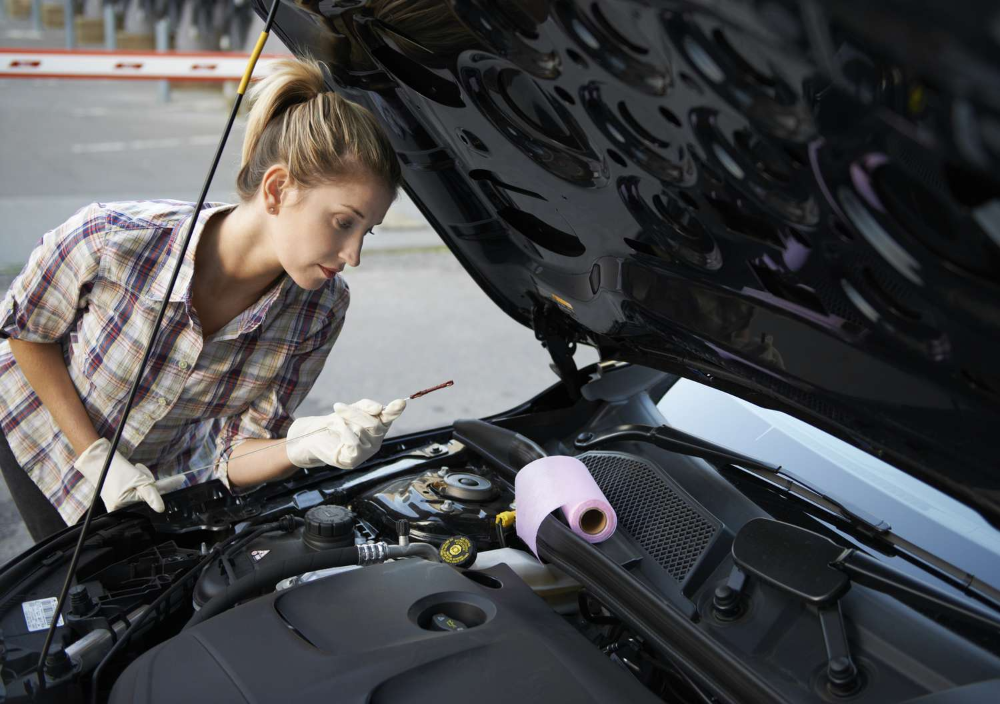
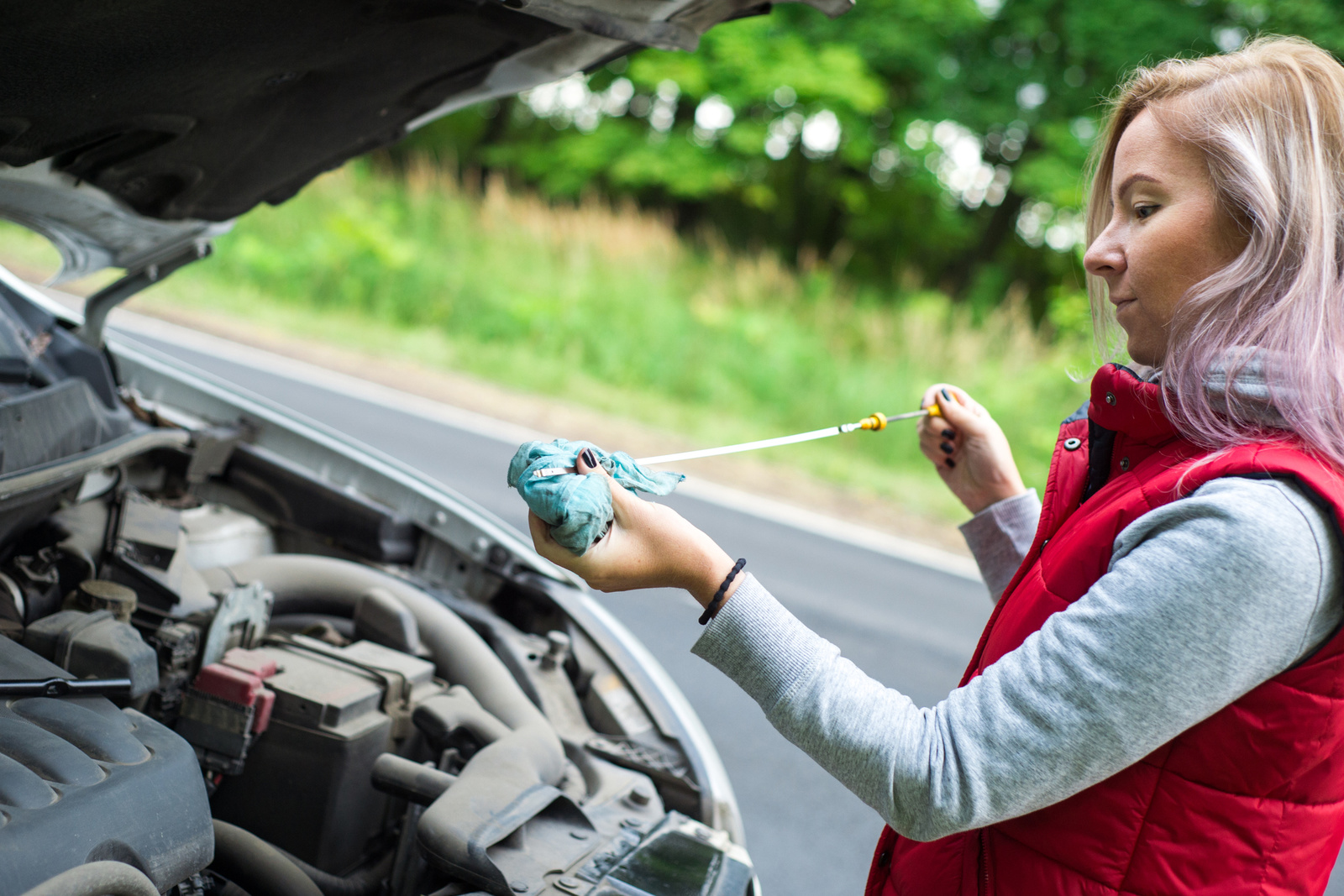
The following are some of the things which one has to see while making maintenance of the car.Oil Level Make sure to have monthly oil inspection.
Keep the oil level in the right way which can keep your engine fine.
The low oil level can cause engine failure and even some disturbances in driving too.
There is no better feeling than being behind the wheel of a nice, clean, comfortable vehicle.
Just like every car owner, you also want your car to be in a perfect looking condition.
And as any other important investment of yours, your car also requires certain attendance.
Have you ever thought of the last time when you saw your car in its initial look?
Maybe you think that there is no way it can be like this again, but you’re wrong.
The secret of a good maintained vehicle is … detailed car valeting.
There's more to car ownership than simply buying a vehicle, and when you've invested a great deal in your new purchase, you'll want it to last and stay in tip-top shape.
Routine maintenance doesn't come naturally to us all, and for that reason, a car maintenance checklist is a helpful tool to have on hand to help you keep track of what to do, and when.Read more - The Importance Of A Good Car Maintenance Checklist