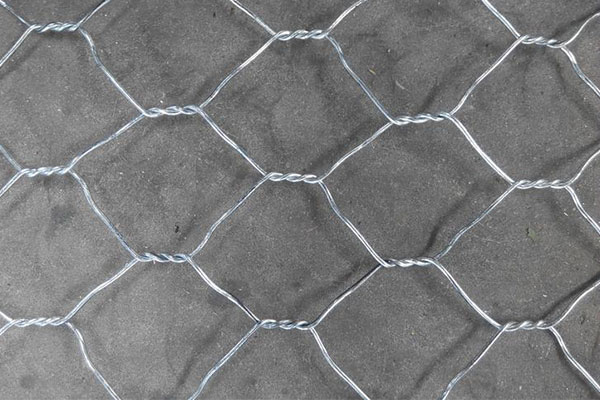


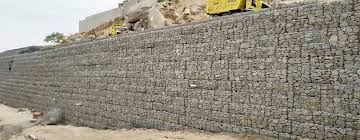
In the world of modern infrastructure, gabion walls have emerged as a versatile and eco-friendly solution for various construction challenges. These walls, made from wire mesh cages filled with stones or other materials, have a long history of use in civil engineering and landscaping. As the demand for sustainable, cost-effective, and durable infrastructure grows, gabion walls are playing a critical role in projects across the globe.
In this blog, we'll explore the benefits and applications of gabion walls, with a focus on retaining wall systems, eco-friendly construction materials, and modular retaining systems.
What Are Gabion Walls?
Before diving into their benefits and applications, let’s start with a brief overview. Gabion walls are made from metal cages filled with rocks, gravel, or other natural materials. Originally used for military fortifications, gabions have evolved into a popular choice for both aesthetic and functional purposes in civil engineering, landscaping, and environmental protection. These walls are typically used in retaining wall systems, erosion control, and as a form of slope stabilization.

Benefits of Gabion Walls in Modern Construction
1. Eco-Friendly Construction Materials
One of the most significant advantages of gabion walls is their use of eco-friendly construction materials. The materials used to fill the wire mesh cages, such as stones and recycled concrete, are natural, abundant, and have a minimal carbon footprint compared to other construction materials. Gabion walls offer a sustainable solution, particularly in projects where environmental considerations are paramount. Their permeability also contributes to improved drainage and reduced water runoff, making them a natural choice for eco-friendly construction.
2. Cost-Effective Solutions
Gabion walls are incredibly cost-effective, especially when compared to traditional concrete or brick retaining wall systems. The wire mesh is relatively inexpensive, and the filling materials can often be sourced locally, reducing transportation costs. Moreover, the installation process is straightforward and requires minimal skilled labor, which helps to keep overall construction costs low.
3. Durability and Flexibility
The durability of gabion walls is one of their standout features. The wire mesh and stone filling create a structure that can withstand significant environmental stress, including erosion, water flow, and extreme weather conditions. Unlike solid walls, gabion walls are flexible, which allows them to adapt to shifts in the ground over time. This flexibility is particularly beneficial in areas prone to earthquakes or other geological shifts.
4. Aesthetic Versatility
In addition to their functional benefits, gabion walls offer aesthetic versatility. They can be used to create visually appealing structures that blend seamlessly into natural landscapes. By varying the types and colors of stones used in the mesh cages, designers can create unique textures and patterns, adding an artistic touch to infrastructure projects.
Key Applications of Gabion Walls
1. Retaining Wall Systems
Gabion walls are widely used in retaining wall systems to stabilize slopes and prevent erosion. In hillside or sloped areas, gabion walls act as barriers that hold back soil, preventing landslides and other forms of ground movement. Their porous nature allows for water drainage, reducing the buildup of hydrostatic pressure behind the wall. This makes gabion walls particularly effective in retaining systems where drainage is a key concern.
2. Riverbank Protection and Erosion Control
Gabion walls are commonly used in riverbank protection projects to prevent erosion caused by flowing water. The flexibility of the structure allows it to absorb the impact of water currents while maintaining stability. Gabion walls are often placed along riverbanks, shorelines, and canals to control erosion and protect the surrounding land from water damage.
3. Modular Retaining Systems
Another significant application of gabion walls is in modular retaining systems. These systems are designed to be easily assembled and disassembled, making them ideal for temporary or evolving construction needs. Gabion walls can be quickly erected to support excavation sites, road construction, and other large-scale infrastructure projects. Their modularity also allows for easy maintenance and adjustments as the project progresses or environmental conditions change.
4. Sound Barriers
In urban areas, gabion walls are sometimes used as sound barriers along highways or railways. The porous nature of the wall absorbs sound waves, making them an effective solution for reducing noise pollution. These walls not only function as sound barriers but also serve as attractive landscape features, especially when filled with aesthetically pleasing materials.
Why Choose Gabion Walls by Savinaya for Your Project?
Incorporating gabion walls into infrastructure projects offers a range of benefits that extend beyond just function. Their use of eco-friendly construction materials, coupled with their ability to provide effective solutions in retaining wall systems and modular retaining systems, make them a versatile choice for engineers and designers alike. Their cost-effectiveness, durability, and flexibility further solidify their place as a modern solution for infrastructure needs.
Whether you’re looking to stabilize a slope, protect a riverbank, or create an aesthetically pleasing sound barrier, gabion walls provide a robust, sustainable, and flexible solution that fits seamlessly into the growing demand for eco-friendly and adaptable infrastructure.
Savinaya Infratech Leading the Way with Innovative Gabion Wall Solutions
Savinaya Infratech is a leader in providing innovative and sustainable solutions for modern infrastructure challenges. With extensive experience in geotechnical engineering, we specialize in the design and installation of gabion walls, offering a blend of functionality and aesthetics. Here’s how our gabion wall systems stand out:
Eco-Friendly Materials: Our gabion walls are constructed using natural and recycled materials, promoting sustainability while reducing environmental impact. Durability and Strength: The combination of high-quality wire mesh and stone filling ensures long-lasting structures that withstand weather and geological shifts. Custom Retaining Wall Systems: We tailor our solutions to meet the specific demands of each project, ensuring efficient and cost-effective outcomes. Modular and Flexible Designs: Our modular retaining systems provide flexibility, allowing easy adjustments and maintenance over time.
Conclusion
As infrastructure projects increasingly prioritize sustainability and cost-efficiency, gabion walls offer a blend of practicality and environmental responsibility. From retaining wall systems to modular retaining systems, these versatile walls deliver durability, flexibility, and aesthetic appeal, making them a cornerstone of modern infrastructure solutions.
Whether you are working on slope stabilization, riverbank protection, or any other infrastructure project, our team at Savinaya Infratech is here to help you implement efficient and sustainable retaining wall systems that meet your specific needs. Let us support your project with our expertise, ensuring long-lasting and environmentally friendly results.