Data Governance Framework: Establishing the Foundation for Reliable Data Management
Data governance is a collection of principles, rules, and policies that assure your data's reliability and consistency. It also ensures that your data can be relied on to drive business activities, inform choices, and power digital transformations. A strong data governance framework allows you to do these tasks in a repeatable manner. Such a program may expand and adapt as data volume and sources increase and technology advances. In summary, excellent data governance allows you to utilize your data with confidence, both now and in the future.
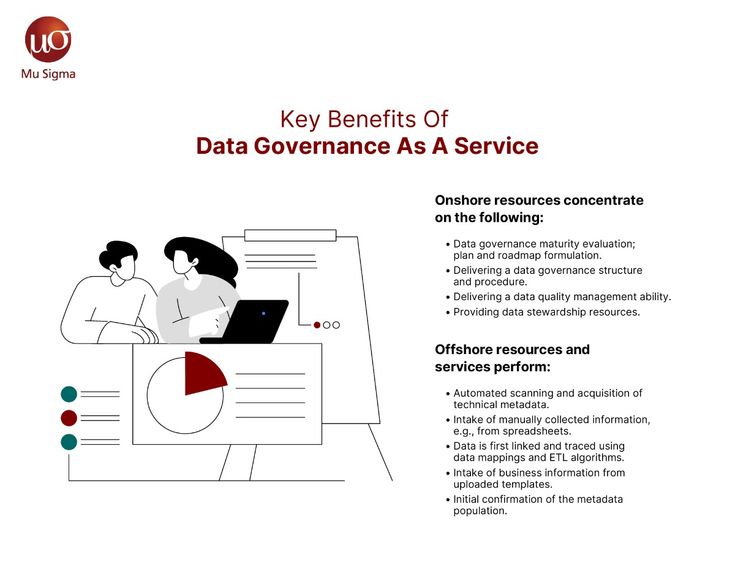
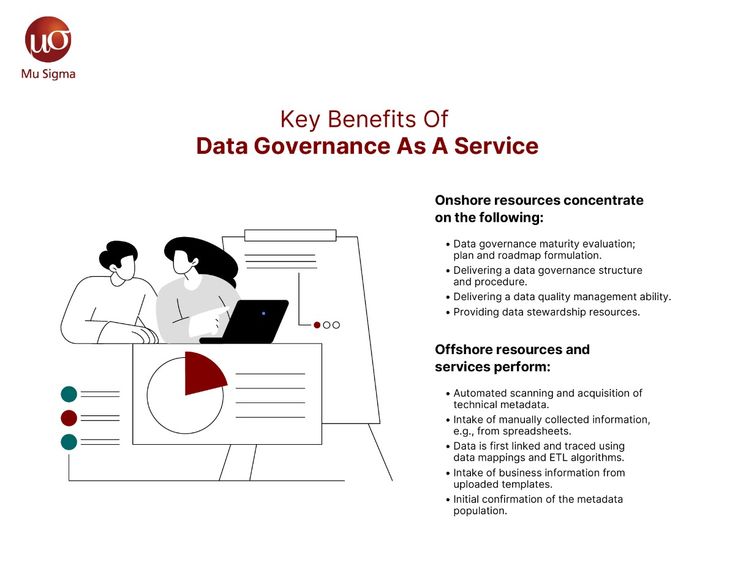
The framework includes defining roles and responsibilities, establishing data standards, and implementing processes for data quality management. This structured approach ensures that data governance is not an ad-hoc activity but a well-coordinated effort that aligns with the organization's strategic goals.
Data Governance Tools: Leveraging Technology for Effective Data Management
Data governance tools are essential for implementing and maintaining a robust data governance framework. These tools help automate and streamline various aspects of data governance, such as data cataloging, data lineage, data quality monitoring, and policy enforcement. By leveraging these tools, organizations can ensure that their data governance practices are efficient, scalable, and capable of handling the complexities of modern data environments.
Some popular data governance tools include data cataloging platforms like Collibra and Alation, data quality tools like Talend and Informatica, and data lineage tools like MANTA and Octopai. These tools provide the necessary infrastructure to support data governance initiatives and enable organizations to manage their data assets effectively.
Data-Driven Decision Making: Empowering Organizations with Reliable Data
Data-driven decision-making is the process of making decisions based on data analysis and interpretation. It involves using reliable data to identify trends, patterns, and insights that can inform business strategies and drive organizational success. Data governance plays a crucial role in enabling data-driven decision-making by ensuring that the data used is accurate, consistent, and trustworthy.
By establishing a strong data governance framework, organizations can democratize data access, allowing employees at all levels to leverage data for decision-making. This democratization of data fosters a culture of data-driven decision-making, where insights derived from data are used to optimize operations, enhance customer experiences, and drive innovation.
Data Governance Best Practices: Ensuring Consistency and Reliability
Implementing data governance best practices is essential for ensuring the consistency, reliability, and trustworthiness of data. Some key best practices include:
- Establishing clear data governance policies and procedures that define roles, responsibilities, and processes for data management.
- Implementing data quality management practices to ensure that data is accurate, complete, and consistent.
- Creating a data catalog that provides a centralized repository of metadata, making it easier to discover, understand, and manage data assets.
- Ensuring data lineage by tracking the flow of data from its source to its destination, providing visibility into data transformations and usage.
- Enforcing data privacy and security measures to protect sensitive data and comply with regulatory requirements.
By following these best practices, organizations can establish a robust data governance framework that supports data-driven decision-making and drives digital transformation.
Data Governance Benefits: Maximizing Data Utility and Driving Digital Transformation
Effective data governance offers numerous benefits that maximize data utility and drive digital transformation. Some of the key benefits include:
- Improved data quality: Ensuring that data is accurate, complete, and consistent, which enhances the reliability of data-driven insights.
- Enhanced data security: Implementing data governance policies and procedures that protect sensitive data and ensure compliance with regulatory requirements.
- Increased data accessibility: Democratizing data access, enabling employees at all levels to leverage data for decision-making and innovation.
- Better decision-making: Providing reliable data that informs business strategies and drives organizational success.
- Streamlined operations: Automating and standardizing data management processes, reducing inefficiencies and improving productivity.
By realizing these benefits, organizations can harness the power of their data to drive digital transformation and achieve their strategic objectives.
Data Security Governance: Protecting Sensitive Data and Ensuring Compliance
Data security governance is a critical component of data governance that focuses on protecting sensitive data and ensuring compliance with regulatory requirements. It involves implementing policies, procedures, and technologies that safeguard data from unauthorized access, breaches, and other security threats.
Key aspects of data security governance include data encryption, access controls, data masking, and regular security audits. By prioritizing data security governance, organizations can mitigate risks, protect their data assets, and maintain the trust of their customers and stakeholders.
AI Data Governance: Ensuring Ethical and Responsible AI Practices
AI data governance is the practice of managing data used in artificial intelligence (AI) applications to ensure ethical and responsible AI practices. It involves establishing policies and procedures that govern the collection, storage, processing, and usage of data in AI systems.
Key considerations for AI data governance include data quality, data privacy, bias mitigation, and transparency. By implementing AI data governance, organizations can ensure that their AI applications are built on reliable data, comply with ethical standards, and deliver fair and unbiased outcomes.
Data Governance Implementation: Steps to Building a Robust Data Governance Program
Implementing a robust data governance program involves several key steps:
- Assessing the current state of data governance within the organization and identifying gaps and areas for improvement.
- Defining a clear data governance strategy that aligns with the organization's strategic goals and objectives.
- Establishing a data governance framework that includes roles, responsibilities, policies, and procedures for data management.
- Implementing data governance tools and technologies that support data cataloging, data quality management, data lineage, and policy enforcement.
- Providing training and education to employees to ensure they understand and adhere to data governance policies and practices.
- Monitoring and evaluating the effectiveness of the data governance program and making continuous improvements as needed.
By following these steps, organizations can build a robust data governance program that maximizes data utility, supports data-driven decision-making, and drives digital transformation.