Exploring the Versatility of Rosemary Leaves: From Culinary Delights to Wellness Wonders
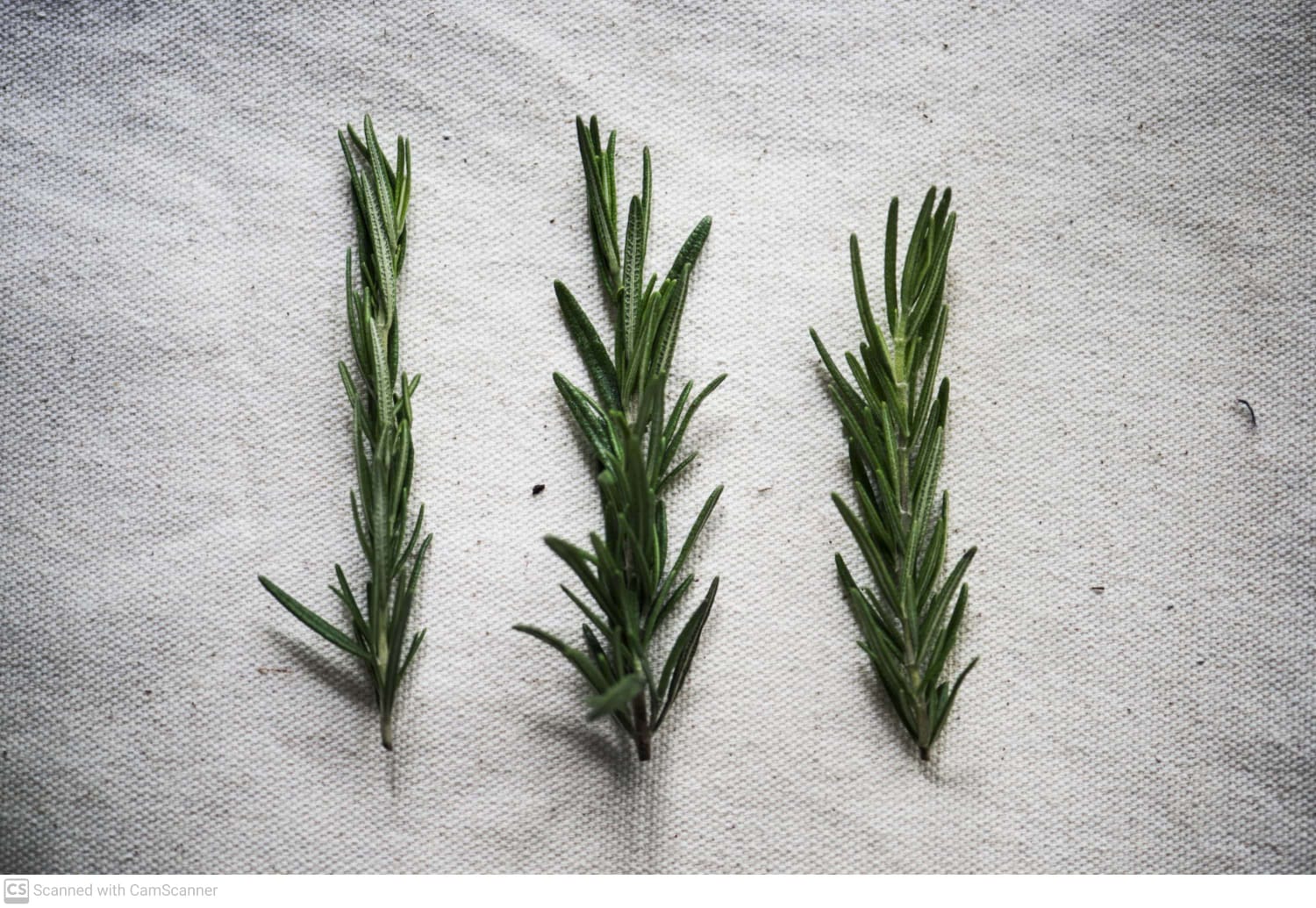
Rosemary, a fragrant herb native to the Mediterranean region, has been cherished for centuries not only for its distinctive flavor but also for its medicinal properties and versatility. With its needle-like leaves and robust aroma, rosemary (Rosmarinus officinalis) is a staple in many kitchens and gardens. Let's delve into the diverse uses and benefits of rosemary leaves, exploring how this humble herb can enhance both our culinary creations and our well-being.
Culinary Uses
1. Flavor Enhancer: Rosemary leaves are a beloved ingredient in a variety of dishes. Their strong, pine-like flavor pairs exceptionally well with roasted meats, especially lamb, chicken, and pork. A few sprigs can elevate the taste of soups, stews, and sauces. Rosemary is also a key ingredient in herb blends such as herbes de Provence and Italian seasoning.
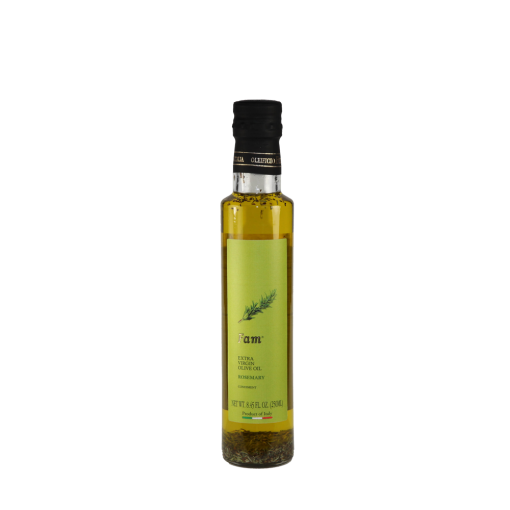
2. Infusions and Marinades: Rosemary can be used to infuse oils, vinegars, and even spirits. Rosemary-infused olive oil adds a delightful herbal note to dressings and marinades. For a simple marinade, combine rosemary with garlic, lemon juice, and olive oil to flavor meats and vegetables before grilling or roasting.
3. Baking Boost: Rosemary leaves can be incorporated into baked goods for a unique twist. Try adding finely chopped rosemary to focaccia or bread dough for a savory touch, or mix it into scone or biscuit recipes for added depth of flavor.
Medicinal and Wellness Benefits
1. Cognitive Function: Rosemary has been traditionally used to enhance memory and concentration. Studies suggest that the aroma of rosemary may help improve cognitive performance and alertness. Simply inhaling rosemary essential oil or using it in a diffuser may offer a boost in mental clarity.
2. Digestive Health: Rosemary has been known to aid digestion. It can help alleviate indigestion and bloating, and its carminative properties assist in reducing gas. A rosemary tea made from steeping fresh leaves can be a soothing remedy for digestive discomfort.
3. Antioxidant and Anti-inflammatory Properties: The leaves of rosemary are rich in antioxidants, which help combat oxidative stress and inflammation in the body. Compounds such as rosmarinic acid and carnosic acid found in rosemary have been shown to have anti-inflammatory effects, potentially benefiting conditions like arthritis and muscle pain.
4. Skin Care: Rosemary is also used in skincare for its antimicrobial and astringent properties. It can help balance oily skin, reduce acne, and promote a healthy complexion. Rosemary essential oil can be added to skincare products or used in DIY facial masks and cleansers.
Growing and Harvesting Rosemary
Rosemary is a hardy, evergreen shrub that thrives in well-drained soil and plenty of sunlight. It can be grown in gardens or containers, making it accessible for both seasoned gardeners and urban dwellers. To harvest rosemary, simply snip off the top few inches of the plant, making sure to leave enough growth for continued production. Regular pruning encourages bushier growth and a more robust plant.
Conclusion
Rosemary leaves are much more than a simple herb; they are a versatile and beneficial addition to our culinary and wellness routines. Whether you're enhancing a dish, seeking natural remedies, or growing your own herb, rosemary offers a wealth of possibilities. Embrace the many uses of rosemary and discover how this aromatic herb can enrich your life in myriad ways.