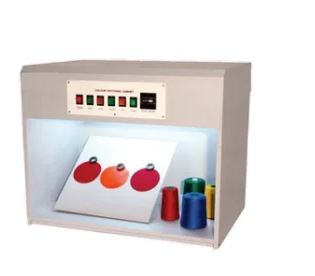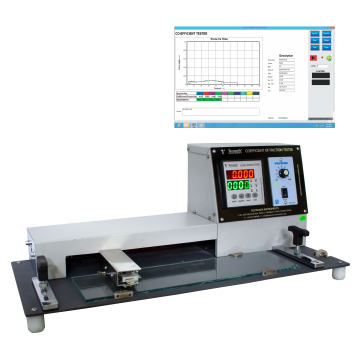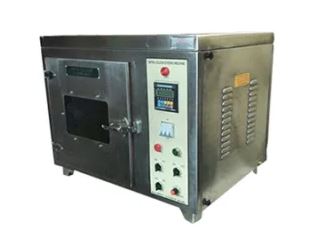
Lab dyeing instruments play a critical role in the textile industry, where precise color matching and consistency are crucial for fabric production. These instruments are essential in laboratories that conduct research, development, and testing for dyeing processes, ensuring that the right shades are produced before mass manufacturing begins. In this content, we will explore the importance, types, and benefits of lab dyeing instruments, as well as their role in ensuring quality control and innovation in textile dyeing.
Importance of Lab Dyeing Instruments
In the textile industry, achieving the perfect shade of color is a delicate process that requires attention to detail and precision. Lab dyeing instruments are specifically designed for small-scale dyeing of textile samples, allowing manufacturers to test how different dyes and chemicals will react with various fabrics before proceeding to full-scale production. By using these instruments, textile technologists can: Ensure Color Accuracy: Before producing thousands of meters of fabric, it is crucial to ensure that the dye color will come out as expected. Lab dyeing instruments enable precise control over temperature, time, and dye concentration, ensuring that the desired shade is achieved consistently. Improve Efficiency: By performing trial dyeing on small fabric samples, manufacturers save time and resources that would otherwise be spent correcting mistakes on larger batches. Optimize Dye Formulations: These instruments allow technicians to experiment with different dye formulations and additives to optimize dye uptake, colorfastness, and overall quality of the final product. Reduce Waste: With accurate dyeing results at the lab level, there is less likelihood of needing to discard or reprocess incorrectly dyed fabrics during production.
Types of Lab Dyeing Instruments
There are various types of lab dyeing instruments designed to meet the specific needs of textile dyeing labs: Infrared Lab Dyeing Machines: These machines use infrared heating technology to evenly heat dye baths, ensuring that fabric samples are dyed under controlled conditions. They are widely used in research and quality control due to their accuracy and efficiency. Lab Pad Steamers: These instruments are designed for continuous dyeing processes where fabric is padded with dye and then steamed to set the color. Lab pad steamers are essential for replicating production-level dyeing conditions in a laboratory setting. Lab Dyeing Jigs: These are versatile instruments used for dyeing small textile samples. They provide precise control over temperature, agitation, and time, allowing technologists to test how fabrics will react to dyes in a controlled environment. Lab Rotary Dyeing Machines: Rotary dyeing machines are used for sample dyeing in high-temperature conditions. They are ideal for testing synthetic fibers like polyester, which require high heat for effective dye penetration. Lab Washing Fastness Testers: These instruments measure the colorfastness of dyed fabrics by simulating washing processes. They are crucial for ensuring that the fabric retains its color even after repeated washing cycles.
Benefits of Using Lab Dyeing Instruments
Consistency: Lab dyeing instruments help maintain consistency across different batches of fabric. This is important for meeting customer expectations and maintaining brand reputation. Cost-Efficiency: By testing dye formulations on small samples, manufacturers avoid the cost of correcting errors in full-scale production. Innovation: These tools allow textile researchers to experiment with new dyeing techniques, eco-friendly dyes, and sustainable processes that reduce the environmental impact of textile production. Quality Control: Lab dyeing instruments ensure that the final product meets industry standards for color accuracy, fastness, and durability.
Conclusion
Lab dyeing instruments are indispensable tools in the textile dyeing process, offering manufacturers and researchers the ability to test dye formulations and processes on small fabric samples before moving to large-scale production. By ensuring color accuracy, optimizing formulations, and improving overall efficiency, these instruments help textile manufacturers maintain quality control, reduce waste, and innovate within the industry. With ongoing advancements in dyeing technology, lab dyeing instruments continue to play a pivotal role in the evolving world of textile coloration.