


The Evolution of Vinyl Signs in Advertising
The history of vinyl signs in advertising dates back several decades, with significant advancements in materials and printing technology shaping their development. Initially, vinyl signs were simple, hand-painted displays used primarily for storefronts and billboards. As technology progressed, the introduction of digital printing revolutionized the industry, allowing for more intricate designs and faster production times. Today, vinyl signs are a staple in modern advertising, utilized by businesses of all sizes to create eye-catching and effective marketing materials.
The evolution of vinyl signs can be traced through various phases, each marked by technological innovations and changing consumer preferences. In the early days, vinyl signs were limited to basic color schemes and hand-drawn graphics. However, the advent of computer-aided design (CAD) and digital printing in the late 20th century enabled more complex and vibrant designs, transforming vinyl signs into powerful marketing tools. The introduction of large-format printers further expanded the possibilities, allowing for the creation of massive banners and wraps that could cover entire buildings or vehicles.
Versatility of Vinyl Signs Across Industries
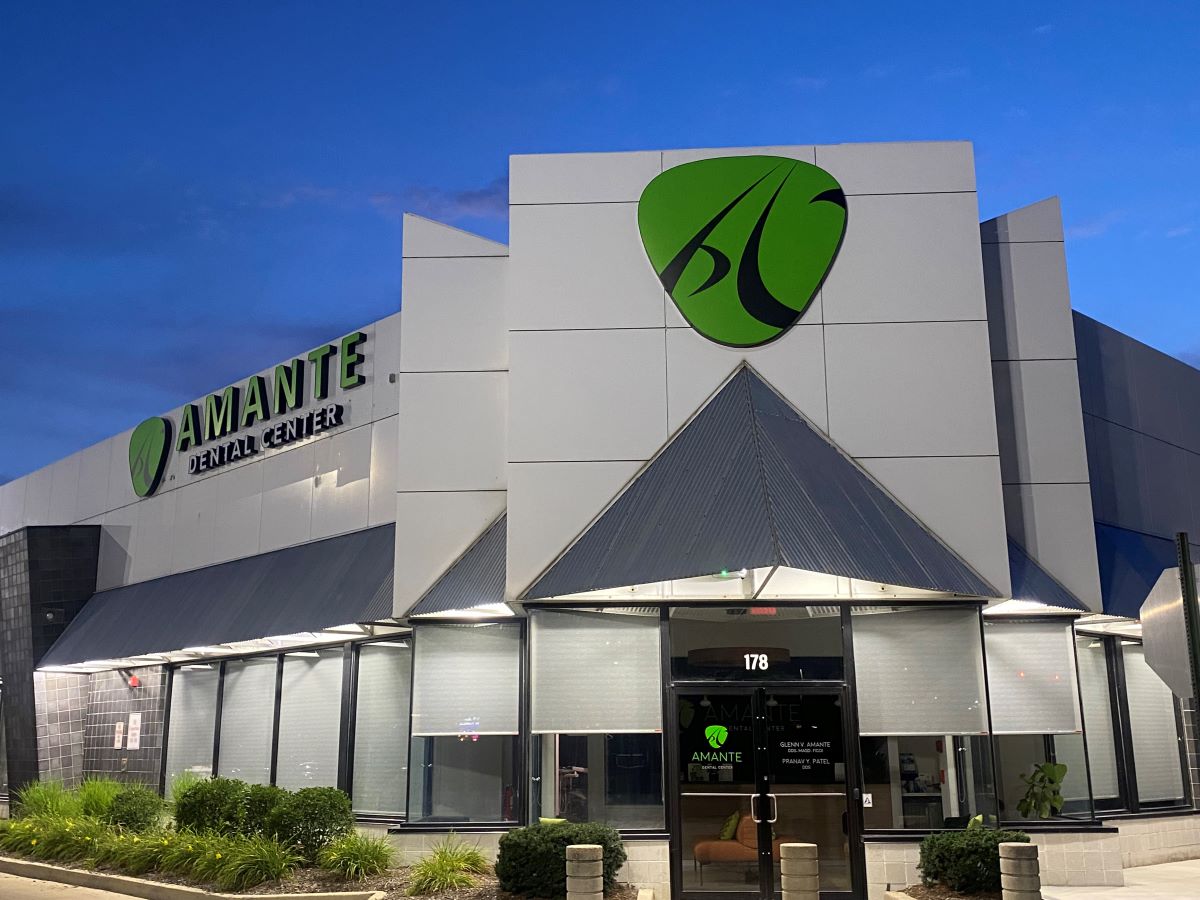
One of the key strengths of vinyl signs is their versatility, making them suitable for a wide range of industries. From retail and hospitality to healthcare and education, vinyl signs are used to convey messages, promote products, and enhance brand visibility. In the retail sector, for example, vinyl signs are commonly used for window displays, in-store promotions, and point-of-sale materials. Their ability to be customized to fit any space or design requirement makes them an invaluable asset for businesses looking to attract customers and drive sales.
In the hospitality industry, vinyl signs play a crucial role in creating a welcoming and informative environment for guests. Hotels and restaurants use vinyl signs for wayfinding, menu displays, and promotional banners. The healthcare sector also benefits from the use of vinyl signs, with hospitals and clinics utilizing them for directional signage, informational displays, and health awareness campaigns. Educational institutions, on the other hand, rely on vinyl signs for campus branding, event promotions, and safety instructions. The adaptability of vinyl signs ensures their relevance across various industries, making them a go-to solution for businesses and organizations.
Effectiveness of Vinyl Signs in Modern Marketing
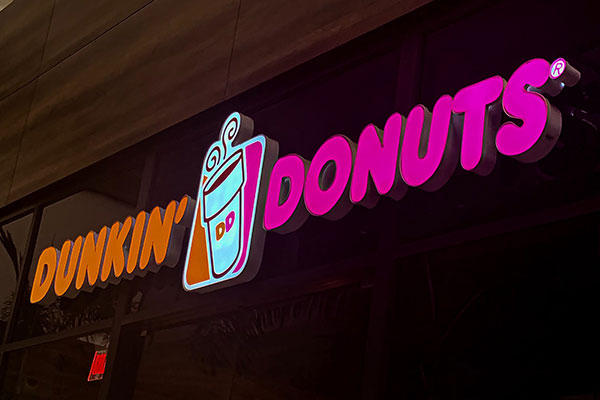
Vinyl signs have proven to be highly effective in modern marketing, thanks to their ability to capture attention and convey messages quickly. In today's fast-paced world, consumers are bombarded with information from multiple sources, making it essential for businesses to stand out. Vinyl signs, with their vibrant colors and bold designs, can cut through the noise and make a lasting impression on potential customers. Whether placed on storefronts, vehicles, or outdoor billboards, vinyl signs can attract attention and drive foot traffic to businesses.
The effectiveness of vinyl signs in marketing can be attributed to several factors. First, their visual appeal is unmatched, with the ability to incorporate high-resolution images, intricate graphics, and striking color schemes. Second, vinyl signs offer flexibility in terms of placement and size, allowing businesses to choose the most strategic locations for maximum impact. Third, vinyl signs are durable and weather-resistant, ensuring that they remain vibrant and intact even in harsh conditions. These qualities make vinyl signs a reliable and cost-effective option for businesses looking to enhance their marketing efforts.
Design and Customization Options for Vinyl Signs
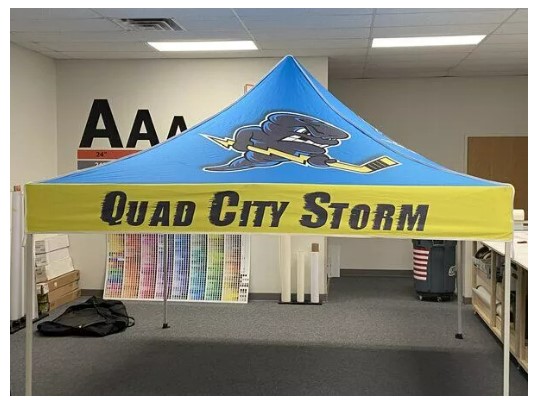
One of the most appealing aspects of vinyl signs is the extensive range of design and customization options available. With advancements in printing technology, businesses can create unique and personalized vinyl signs that reflect their brand identity and message. From choosing the right colors and fonts to incorporating logos and images, the possibilities are virtually endless. This level of customization allows businesses to create cohesive and visually appealing marketing materials that resonate with their target audience.
The design process for vinyl signs typically involves several steps, starting with the creation of a digital mockup. Graphic designers work closely with businesses to understand their vision and translate it into a compelling design. Once the design is finalized, it is printed onto vinyl material using high-quality inks and printers. The finished product can then be cut to the desired shape and size, ready for installation. This level of precision and attention to detail ensures that the final vinyl sign meets the business's expectations and effectively communicates its message.
Cost-Effectiveness of Vinyl Signs
Vinyl signs are known for their cost-effectiveness, making them an attractive option for businesses with limited marketing budgets. Compared to other forms of advertising, such as television or radio commercials, vinyl signs offer a high return on investment at a fraction of the cost. The initial production cost of vinyl signs is relatively low, and their durability ensures that they can be used for extended periods without the need for frequent replacements. This makes vinyl signs a smart choice for businesses looking to maximize their marketing spend.
In addition to their affordability, vinyl signs also offer cost savings in terms of installation and maintenance. Unlike other advertising mediums that may require specialized equipment or professional installation, vinyl signs can be easily installed by business owners or employees. This reduces the need for additional labor costs and allows businesses to quickly and efficiently update their signage as needed. Furthermore, vinyl signs are easy to clean and maintain, ensuring that they remain in good condition and continue to deliver value over time.
Durability and Longevity of Vinyl Signs
One of the standout features of vinyl signs is their durability and longevity. Made from high-quality materials, vinyl signs are designed to withstand the elements and maintain their appearance over time. Whether exposed to sunlight, rain, or wind, vinyl signs remain vibrant and intact, making them a reliable choice for both indoor and outdoor advertising. This durability ensures that businesses can rely on their vinyl signs to deliver consistent performance and value throughout their lifespan.
The longevity of vinyl signs is further enhanced by the use of UV-resistant inks and protective laminates. These features help to prevent fading and damage caused by prolonged exposure to sunlight, ensuring that the signs retain their visual appeal for years to come. Additionally, vinyl signs are resistant to tearing and abrasion, making them suitable for high-traffic areas and environments where they may be subject to wear and tear. This combination of durability and longevity makes vinyl signs a wise investment for businesses looking to create lasting marketing materials.
Environmental Impact of Vinyl Signs
While vinyl signs offer numerous benefits, it is important to consider their environmental impact. Traditional vinyl materials are derived from petroleum-based products, which can have negative effects on the environment. However, the industry has made significant strides in recent years to develop more sustainable alternatives. Eco-friendly vinyl options, made from biodegradable or recyclable materials, are now available, allowing businesses to reduce their environmental footprint while still enjoying the benefits of vinyl signage.
In addition to using sustainable materials, businesses can also adopt environmentally friendly practices when it comes to the production and disposal of vinyl signs. For example, choosing water-based inks over solvent-based inks can reduce the release of harmful chemicals into the environment. Proper disposal and recycling of vinyl signs at the end of their lifecycle can also help to minimize waste and promote sustainability. By making conscious choices and embracing eco-friendly options, businesses can enjoy the advantages of vinyl signs while contributing to environmental conservation.
Case Studies: Successful Vinyl Sign Campaigns
The effectiveness of vinyl signs in advertising is best illustrated through real-world case studies. One notable example is a retail chain that used vinyl window displays to promote a seasonal sale. By incorporating bold colors and eye-catching graphics, the vinyl signs attracted the attention of passersby and drove significant foot traffic to the stores. The campaign resulted in a substantial increase in sales and demonstrated the power of vinyl signs in capturing consumer interest.
Another successful vinyl sign campaign involved a food truck business that used vinyl wraps to transform its vehicles into mobile billboards. The vibrant and visually appealing designs not only helped to build brand recognition but also attracted new customers wherever the food truck traveled. The campaign proved to be highly effective, with the business experiencing a notable boost in sales and customer engagement. These case studies highlight the versatility and impact of vinyl signs in various marketing scenarios.
Future Trends in Vinyl Sign Advertising
As technology continues to advance, the future of vinyl sign advertising looks promising. One emerging trend is the integration of digital elements with traditional vinyl signage. For example, businesses are now incorporating QR codes and augmented reality features into their vinyl signs, allowing consumers to interact with the signage and access additional information through their smartphones. This fusion of physical and digital marketing creates a more immersive and engaging experience for consumers.
Another trend to watch is the increasing demand for eco-friendly vinyl materials. As businesses and consumers become more environmentally conscious, there is a growing preference for sustainable signage solutions. Manufacturers are responding to this demand by developing innovative materials that offer the same durability and visual appeal as traditional vinyl, but with a reduced environmental impact. This shift towards sustainability is expected to shape the future of the vinyl sign industry and drive the adoption of greener practices.
In conclusion, vinyl signs have made a significant impact on modern advertising, thanks to their versatility, effectiveness, and cost-efficiency. With continuous advancements in design and printing technology, vinyl signs will continue to be a valuable asset for businesses looking to enhance their marketing efforts. By embracing sustainable practices and staying ahead of emerging trends, businesses can leverage the full potential of vinyl signs to create compelling and impactful advertising campaigns.