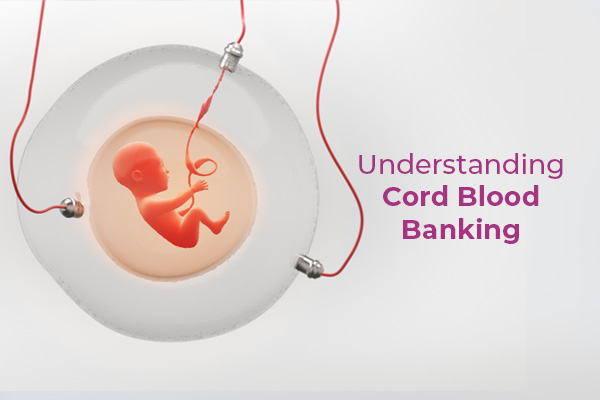
As an expectant parent, you must be getting a lot of advice, right from the best diapers to the top pediatricians in town. Amidst all those pieces of advice, you might have come across this term: stem cell banking, a very important step towards preserving your baby's umbilical cord blood stem cells immediately after birth. In this blog, learn how these powerful cells can protect your baby and entire family from more than 80+ life-threatening diseases like blood disorders, immune system disorders, and metabolic disorders. We will also explain why LifeCell stem cell banking is the most trusted & preferred choice for many parents when it comes to safeguarding the future health of their family.
First and foremost, let's understand what stem cells are.
What Are Stem Cells?
In modern medicine, stem cells are defined as the parent multipotent cells found throughout the body which can differentiate into specialized cells including brain, bone, skin or blood cells. It was termed by William Sedgwick in 1886, to describe the “regenerative property” in plants.
Stem cells can repair damaged tissues by replacing them with new ones. Additionally, they can perform specific functions related to the tissue they are replacing. They also play a crucial role in treating over 80+ severe medical conditions such as Parkinson's Disease, Alzheimer, Spinal Cord Injury, Heart Disorders, Diabetes, and Arthritis.
An interesting fact: Stem cell treatments are also known as ‘regenerative medicine’ due to their property of plasticity or the ability to transform into different types of cells.
Types Of Stem Cells Based On Differentiation Potential
There are several types of stem cells based on their differentiation potential. Let us have a look at them here:
Totipotent stem cells are characterized by the fact that they can differentiate into any cell type. A prime example of such a cell is the zygote, which, upon fertilization of the egg, has the potential to become any cell, including placental cells. In humans, the only totipotent stem cells are those derived from the embryonic cells during the very early stages of cell division.
Pluripotent stem cells are capable of differentiating into any cell type in the body, except for those forming the placenta. They include embryonic stem cells, which are derived from early embryos, and induced pluripotent stem cells (iPSCs), which are reprogrammed from adult cells. Both types hold significant potential for regenerative medicine and research.
Multipotent stem cells are found in nearly all tissues. The most common example of multipotent stem cells is MSCs or Mesenchymal stem cells. These stem cells can be isolated from the adipose tissue, bone marrow, peripheral blood, and even umbilical cord blood.
Sources Of Stem Cells
There are several types of stem cells including the Embryonic Stem Cells, Adult Stem Cells, Umbilical Cord Stem Cells or Amniotic Stem Cells.
Uses Of Stem Cells
After learning about the various types of stem cells, you might be curious about their applications. Here we’ve enumerated few uses of stem cells (some of which are still in initial research stage)
Final Remarks!
Did you know that advances in modern medical science have enabled new parents to preserve their baby’s stem cells at birth from the umbilical cord blood? It’s true! This groundbreaking advancement, known as stem cell banking, offers protection to the newborn and the entire family against 80+ medical conditions
If you're expecting a baby and considering stem cell banking, LifeCell, India’s largest and most trusted stem cell bank, is the top choice. Their Community Stem Cell Banking Program enables your baby’s cord blood to join a vast pool of over 75,000 existing units. Thus, enhancing the chances of finding a match from Indian-origin stem cells to over 97% if needed.
This program safeguards your baby and your entire family against serious health conditions like blood cancers & immune deficiency conditions.
For more details, visit www.lifecell.in or call 1800 266 55 33 to speak with their experts.