

Steel shelving systems are the cornerstone of efficient storage across many industries, from warehouses and retail stores to offices and homes. Their durability and versatility make them a popular choice for businesses wanting to maximise their storage capacity. However, like any structure, they require proper maintenance to ensure longevity and optimal performance.
The first line of defence
One of the most straightforward, yet essential maintenance tasks is regular cleaning. Dust and grime can accumulate over time, not only affecting the appearance of your shelving and products but also potentially leading to corrosion and other damage if left unchecked. Here’s how to keep your shelving clean:
● Dusting: Start by dusting the shelves with a soft cloth. This should be done monthly to prevent buildup, especially in high-traffic areas. Dust can attract moisture, which may lead to rusting if not regularly removed.
● Washing: For more thorough cleaning, use a mild detergent mixed with warm water. Apply the solution with a sponge or soft cloth, gently scrubbing the surface of the shelves. Avoid using abrasive cleaners that could scratch the surface, as this can damage the protective coating on the steel.
● Drying: After washing, thoroughly dry the units with a clean, dry cloth. This step is crucial as any remaining moisture can lead to rusting. In humid environments, consider using a fan or dehumidifier to reduce the moisture levels around the shelving.
Catching issues early
Routine inspections are key to identifying problems before they escalate into significant issues. Regular checks will help you spot signs of wear and tear or structural damage that could compromise the integrity of your units. Here’s what to look for during your inspections:
● Check for rust: This is the most common enemy of steel. Inspect all surfaces for signs of it, particularly in joints and areas where the coating may have worn off. If you spot any, address it immediately by sanding down the affected spot and apply a rust-resistant primer and paint.
● Inspect fasteners and joints: Over time, screws and other fasteners can loosen, especially in environments with frequent movement. Regularly check all joints, tightening them as needed. If any components are damaged, replace them promptly to maintain the stability of the shelving.
● Assess load distribution: Uneven distribution can strain specific parts of the shelving, leading to bending. During inspections, ensure that items are evenly distributed and that the weight does not exceed the shelving’s maximum load capacity.
● Check for structural integrity: Look for any signs of warping or sagging in the shelves. These could indicate that the unit is overloaded or that the steel is weakening. If you notice any issues, redistribute the load or reinforce the shelving as needed.
Extending the lifespan of your shelving
Beyond cleaning and inspections, there are several preventive measures you can take to prolong the lifespan of your shelving. This will help protect your investment and ensure it continues to perform effectively.
● Use protective coatings: Many steel shelves come with a protective coating to prevent corrosion. However, over time, this can wear down, especially in harsh environments. Applying a fresh coat of rust-resistant sealant periodically can provide an additional layer of protection. For more corrosive environments, such as those exposed to chemicals or high humidity, consider upgrading to galvanised or stainless-steel options.
● Control the environment: High humidity, exposure to chemicals and extreme temperatures can all accelerate wear and tear. Wherever possible, control the environment by using dehumidifiers, proper ventilation and keeping shelving away from corrosive substances.
● Use shelf liners: Adding shelf liners can protect the surface of your shelving from scratches, spills and heavy impacts. They are very useful in environments where the shelving is subject to frequent loading and unloading, as they prevent direct contact between the shelving and the items being stored.
● Educate staff: Ensure that any staff members are trained on the proper use and maintenance. This includes educating them on the importance of even load distribution, avoiding overloading and reporting any signs of damage promptly.
● Plan for reconfiguration: As your storage needs change, you may need to reconfigure your system. When doing so, avoid dragging or roughly handling the shelves, as this can scratch the surface and weaken the structure. Instead, carefully disassemble and reassemble, according to the manufacturer’s instructions.
Addressing damage
Even with the best maintenance practices, damage can occur. The key to preventing further issues is to address it as soon as it’s discovered. Here’s how to handle the common types:
● Rust removal: It’s important to remove rust quickly to prevent it from spreading. Use a wire brush or sandpaper to remove it, then apply a rust-inhibiting primer followed by a coat of paint. For severe cases, you may need to replace the affected parts.
● Repairing bent or warped shelves: These can often be repaired by carefully reshaping the steel. However, if the damage is extensive, replacing the shelf is a safer option to ensure the integrity of the whole.
● Replacing damaged parts: If any components, such as brackets or shelves, are damaged beyond repair, replace them immediately. Using damaged parts can compromise the stability and safety of the entire unit.
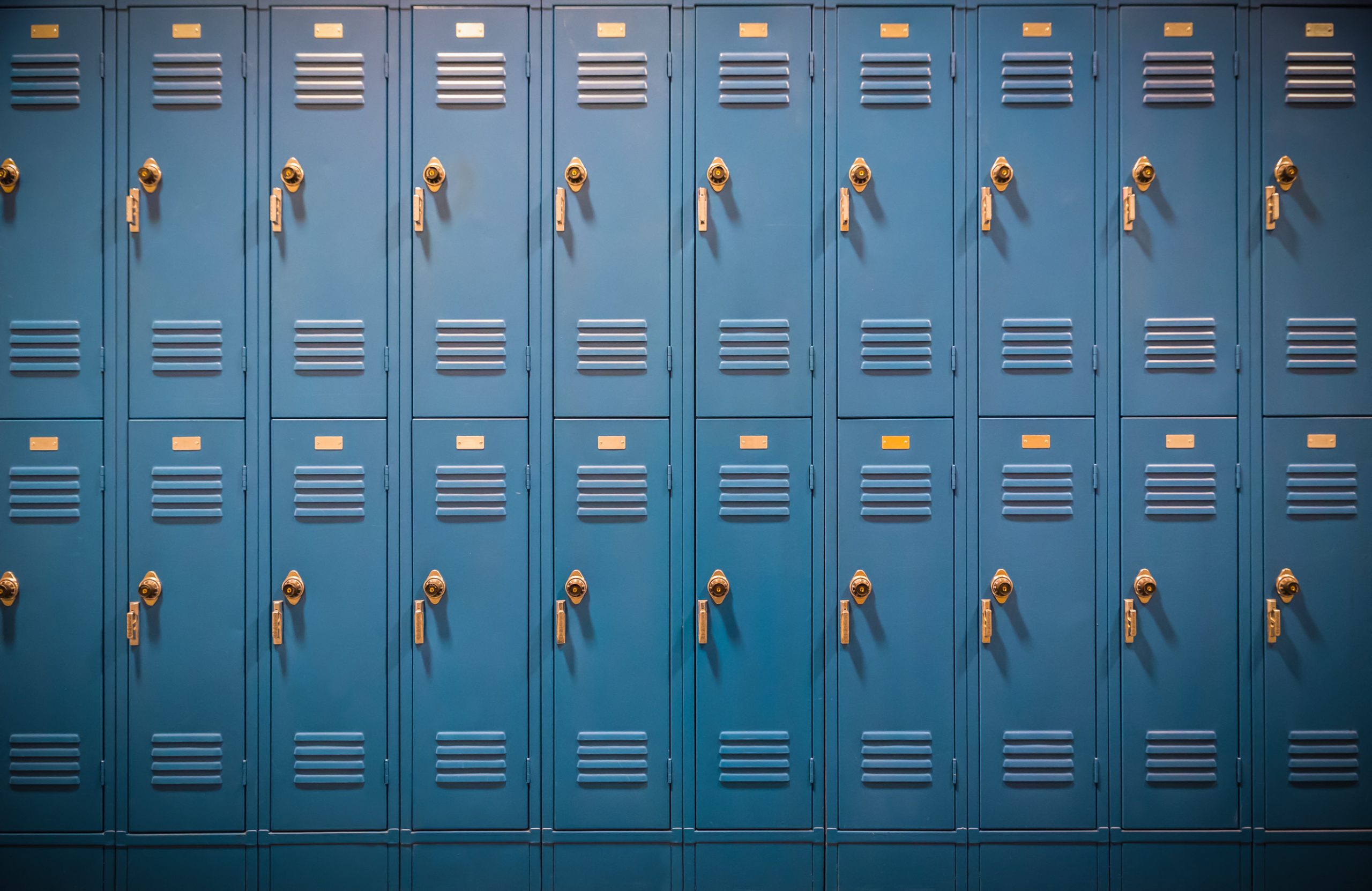
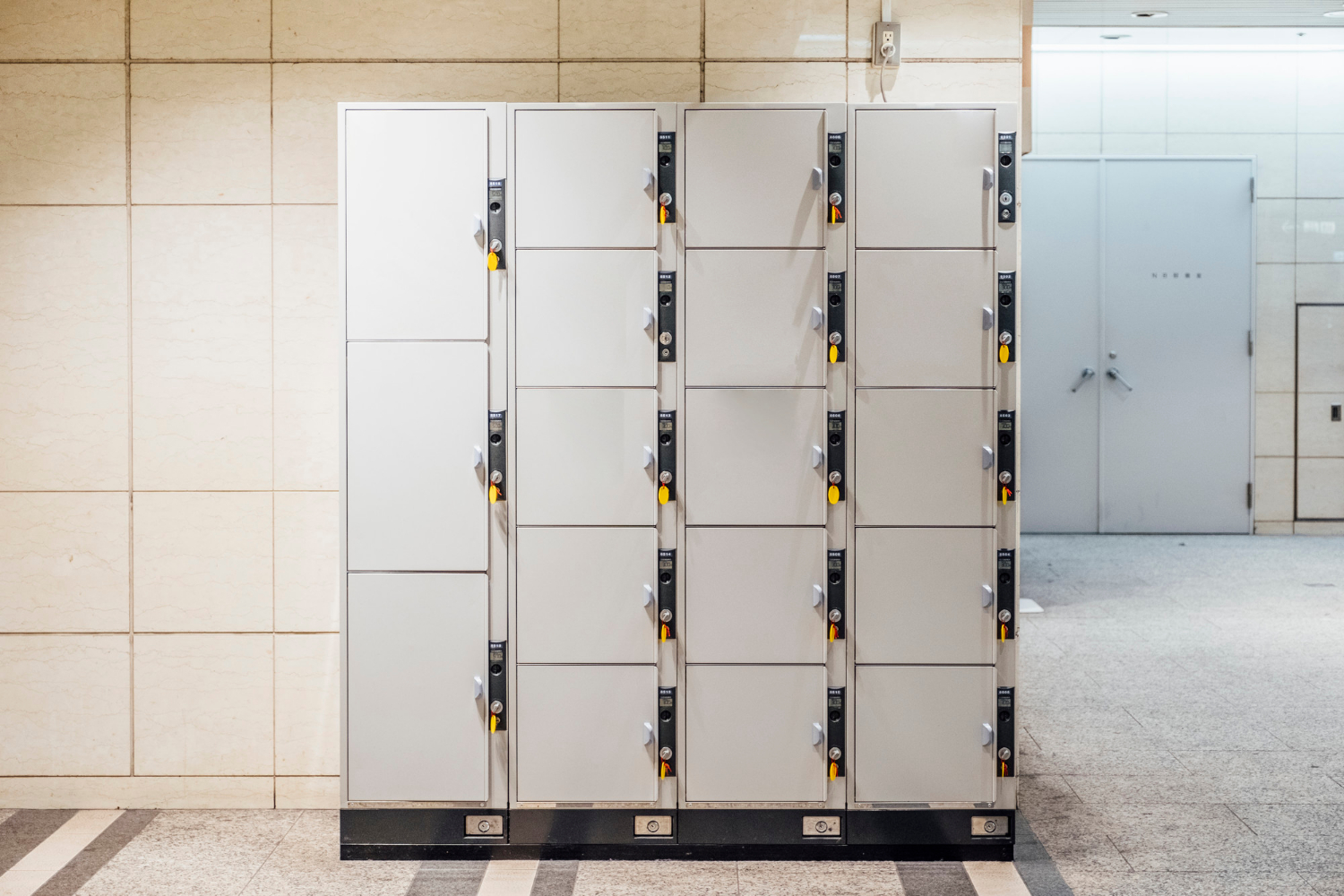
Steel shelving is an extremely versatile storage solution for many businesses, but like any valuable asset, it requires regular care to remain in peak condition. By following the maintenance tips in this guide, you can extend its lifespan and keep it functioning well for years. Remember, maintaining your storage systems also applies to other metal items too, like metal lockers, which share similar care requirements. By investing time in proper maintenance, you’re safeguarding your investment and ensuring your shelving continues to meet your storage needs reliably.