



Introduction
Linux system programming allows developers to interact directly with the operating system’s kernel to manage hardware and system resources. It is essential for creating robust software used in servers, embedded systems, and supercomputers. This article highlights the evolution of Linux system programming, key technologies, programming languages used, current applications, and future prospects. Lastly, we'll discuss how it can be learned through platforms like EmbLogic.
Evolution of Linux System Programming
Linux system programming traces its roots back to Unix, a pioneering multi-user, multitasking operating system developed in the 1960s. Linus Torvalds created Linux in 1991 as an open-source alternative to Unix. Linux adopted core Unix principles like modularity and simplicity. Over time, Linux system programming has evolved, adapting to the needs of modern multi-core processors, cloud computing, and containerization technologies.
Core Technology and Tools
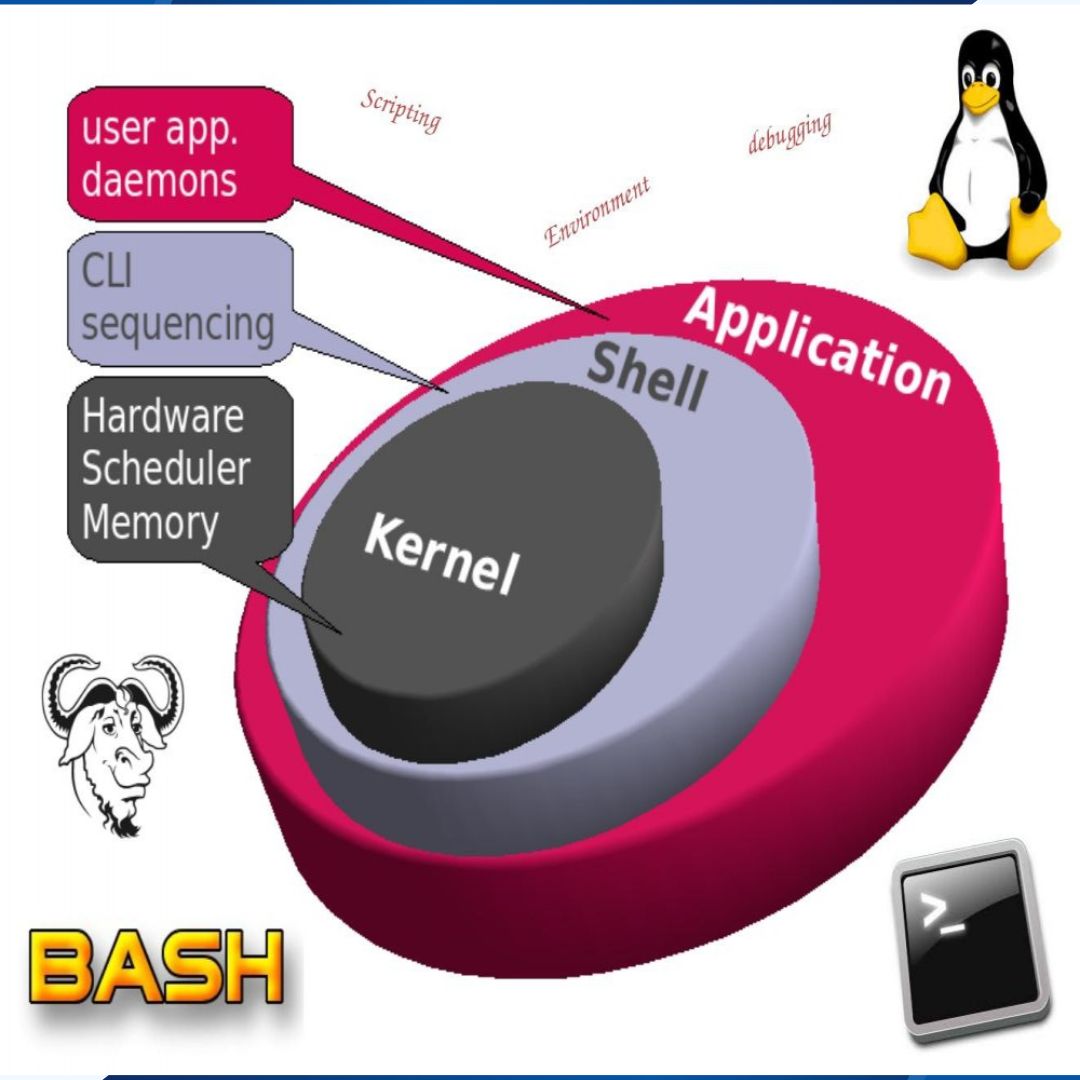
System Calls form the backbone of Linux system programming, allowing applications to request services from the kernel. Key system calls include `open()`, `read()`, and `fork()`, which manage files, processes, and memory.
Interprocess Communication (IPC) mechanisms such as pipes and message queues are used to synchronize processes.
Multithreading is essential in today’s multi-core processing environments, while memory management ensures efficient resource allocation.
Popular Linux distributions for system programming include Ubuntu, Debian, and Fedora, and tools like GCC (GNU Compiler Collection) and GDB (GNU Debugger) are frequently used.
Programming Languages for Linux System Programming
C is the primary language for Linux system programming, offering low-level access to system resources.
C++ is used when object-oriented programming is needed alongside performance efficiency.
Python is commonly used for scripting and automation, while Assembly is employed in performance-critical scenarios.
Current Scenario
Linux dominates in servers, cloud infrastructure, and embedded systems. Key areas include:
Cloud Computing: Linux powers cloud platforms like AWS and Google Cloud. System programmers optimize these infrastructures to manage large data sets efficiently.
IoT and Embedded Systems: Linux supports a wide array of devices, from routers to automotive systems, where system-level optimization is crucial.
Security: As cyber threats rise, system programming for security using tools like SELinux is increasingly important.
Applications and Use Cases
Linux system programming has various applications, including:
1. Kernel Development: Enhancing the Linux kernel.
2. Device Drivers: Allowing the OS to interact with hardware.
3. Networking Tools: Customizing networking tools and protocols.
4. Embedded Systems: Programming for IoT and automotive systems.
5. Server Applications: Developing efficient server software.
Future Prospects
The future of Linux system programming lies in:
Edge Computing: Optimizing low-latency, resource-constrained devices.
AI and ML: Integrating machine learning capabilities at the system level.
Quantum Computing: Linux is being explored for managing quantum computing workloads.
Learning Linux System Programming
For those looking to learn Linux system programming, EmbLogic offers industry-oriented training with hands-on experience in key topics like C programming, system calls, and kernel development. It's an excellent starting point for anyone interested in this exciting field.
Linux system programming is integral to the modern tech landscape, from cloud computing to embedded systems. With growing demand in emerging technologies, mastering it opens up exciting opportunities, and platforms like EmbLogic provide practical learning paths to succeed in this domain.
Learn more here…
https://www.emblogic.com/66/linux-system-programming
#Linux System Programming training, #Linux System Programming course, #Linux System Programming online, #Linux System Programming training online, #Linux System Programming course online, #Linux System Programming Career, #Linux System Programming Projects, #Linux System Programming skills



IPSR providing Red Hat Linux course by experts.
This course will enhance your skills and make you very confident in Linux programming.
Red Hat is the world’s leading open source provider.
Linux is the stable foundation for all IT works.
If you are new to Red Hat Linux, then build your competence by taking our course.