


Dubai has long been recognized as a key player in global commerce, serving as a strategic hub for trade between the East and West. Its geographic location, modern infrastructure, and forward-thinking logistics ecosystem make it a preferred destination for international cargo services. From sea freight to air freight, Dubai offers a range of solutions to facilitate the movement of goods across continents.
Why Dubai is a Global Trade Hub
Dubai’s strategic position along the Arabian Gulf places it within an 8-hour flight to two-thirds of the world’s population. This advantage, coupled with its world-class infrastructure, allows the emirate to efficiently manage the flow of international cargo. The city's two primary ports, Jebel Ali and Port Rashid, are among the busiest in the world, while Dubai International Airport ranks as the number one airport globally for international cargo volumes.
Types of Cargo Services in Dubai
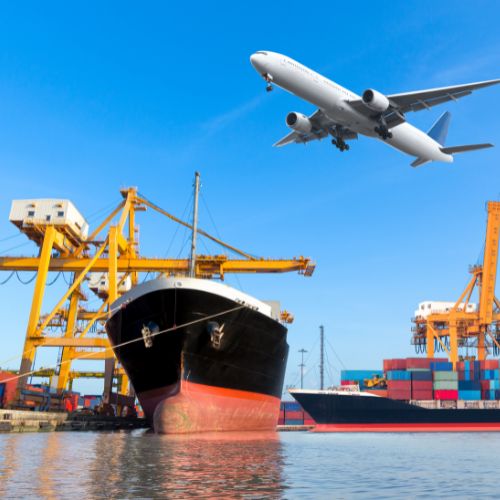
1. Sea FreightSea freight plays a critical role in Dubai’s international cargo landscape. The Jebel Ali port is the largest man-made harbor in the world and is equipped to handle millions of containers annually. It is known for its efficiency in processing both full container loads (FCL) and less than container loads (LCL), catering to businesses of all sizes. Additionally, Dubai’s free zones, like Jebel Ali Free Zone (JAFZA), allow businesses to store, manufacture, and re-export goods without the burden of customs duties.
2. Air FreightAir freight is another essential component of Dubai’s cargo services. Dubai International Airport and Al Maktoum International Airport serve as vital air cargo hubs, with advanced handling facilities for various types of goods, including perishables, electronics, and valuable items. These airports offer unmatched connectivity, with numerous cargo flights linking Dubai to global markets.
3. Land FreightAlthough air and sea freight are more prominent, land freight also plays a crucial role in connecting Dubai with neighboring countries in the Gulf Cooperation Council (GCC) region. The modern road network allows for smooth and timely delivery of goods across borders, making land freight an attractive option for regional trade.
4. Multi-Modal TransportFor businesses seeking cost-effective and efficient solutions, Dubai's logistics providers offer multi-modal transport services, which combine sea, air, and land freight for seamless delivery. This system enhances flexibility and reduces transportation time, offering an all-in-one solution for international cargo.
The Role of Free Zones in International Cargo
Dubai's free zones are integral to its success in global logistics. JAFZA, Dubai Airport Free Zone (DAFZA), and Dubai Logistics City (DLC) provide numerous incentives for international businesses, including tax exemptions, full ownership rights for foreign investors, and the ability to operate without local sponsorship. These zones are designed to attract multinational corporations and foster a conducive environment for international trade.
Technology-Driven Solutions
Dubai’s international cargo services are also bolstered by advanced technology. Digitalization is reshaping the logistics industry, with cargo tracking, automation, and AI-powered tools improving supply chain efficiency. With Dubai Customs’ advanced e-clearance system, the process of shipping and receiving goods is streamlined, reducing delays and improving customer satisfaction.
Sustainability in Cargo Services
In line with Dubai’s commitment to sustainability, the logistics sector is embracing green practices. The adoption of electric vehicles for land freight and the development of energy-efficient warehouses are steps towards reducing the carbon footprint of the logistics industry. These sustainable initiatives are critical as more businesses seek environmentally conscious partners for their supply chain needs.
Challenges and Solutions
Despite its many advantages, international cargo services in Dubai face challenges like fluctuating oil prices, regulatory complexities, and geopolitical tensions. However, Dubai’s government, in collaboration with the private sector, continues to implement policies and strategies to mitigate these risks. Trade agreements, infrastructure investments, and innovative customs procedures help keep Dubai competitive in the global logistics arena.
Conclusion
Dubai’s international cargo services are a testament to the city's global vision and ambition. By providing world-class infrastructure, efficient logistics solutions, and an enabling environment for trade, Dubai stands out as one of the most significant logistics hubs in the world. Whether by air, sea, or land, Dubai remains the gateway to global trade, connecting businesses to markets worldwide.

Sunrise International has the finest international courier and cargo equipped with significant expertise and knowledge of the industry.
We have an exceptionally well-trained and professional team that aids all our processes.
Moreover, we are proficient in managing the varied requirements of our clients with utmost efficiency.
You can rely on us for speed, dependability and assurance with your international cargo services.
Therefore, if you want the best cargo services in Mumbai as well as internationally, Sunrise International can be the best choice.