

Oscilloscopes are crucial instruments for engineers, technicians, and hobbyists engaged in electronics and signal analysis. While brand-new oscilloscopes come equipped with the latest technology, their high costs can be a barrier for those on a budget. Fortunately, the used oscilloscope market offers a more affordable option. However, buying and selling used oscilloscopes requires careful consideration to ensure you receive good value. This guide will walk you through the process of purchasing and selling used oscilloscopes, detailing what to look for, where to buy or sell, and tips for making informed choices.
Understanding Oscilloscopes and Their Functions
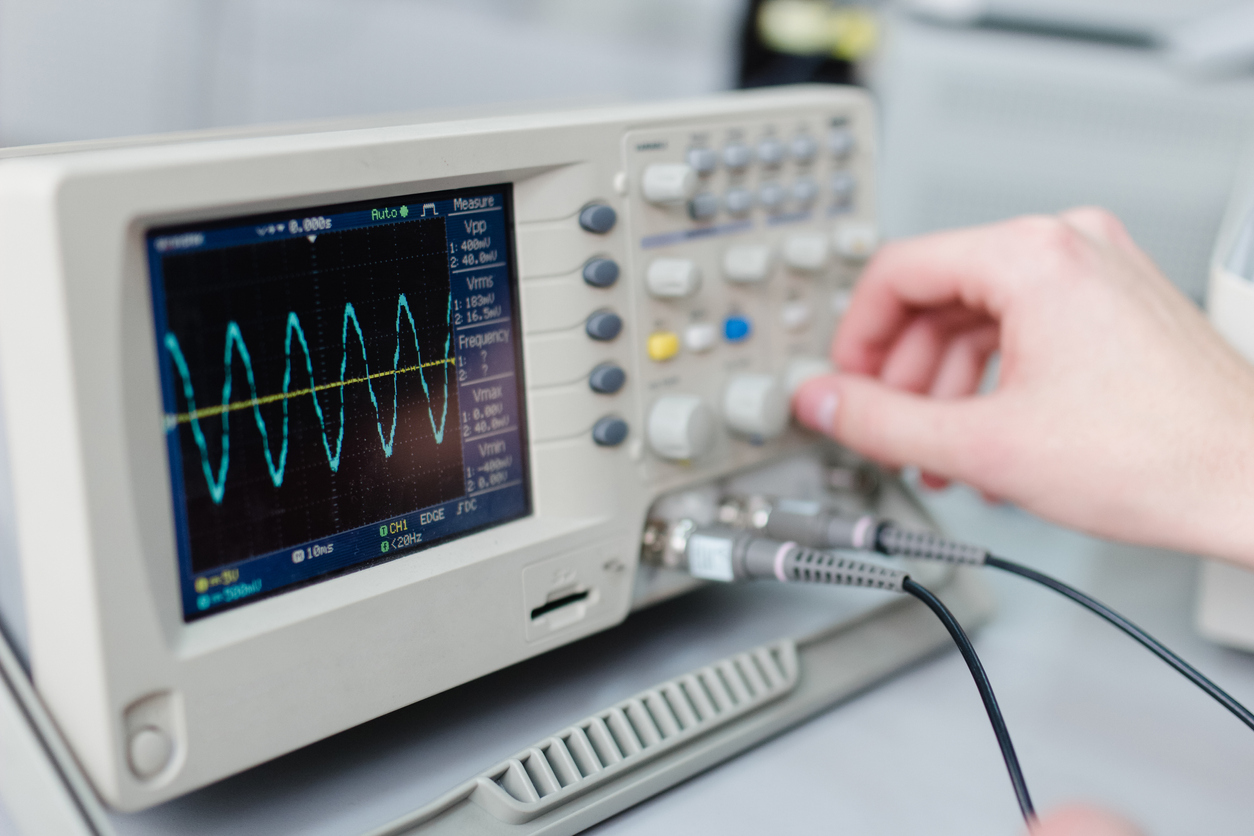
Before diving into the buying or selling process, it's essential to know what an oscilloscope is and its importance. An oscilloscope is a device that allows users to visualize electrical signals, showing how voltage changes over time. This capability enables the measurement of various parameters, including frequency, amplitude, and signal quality.
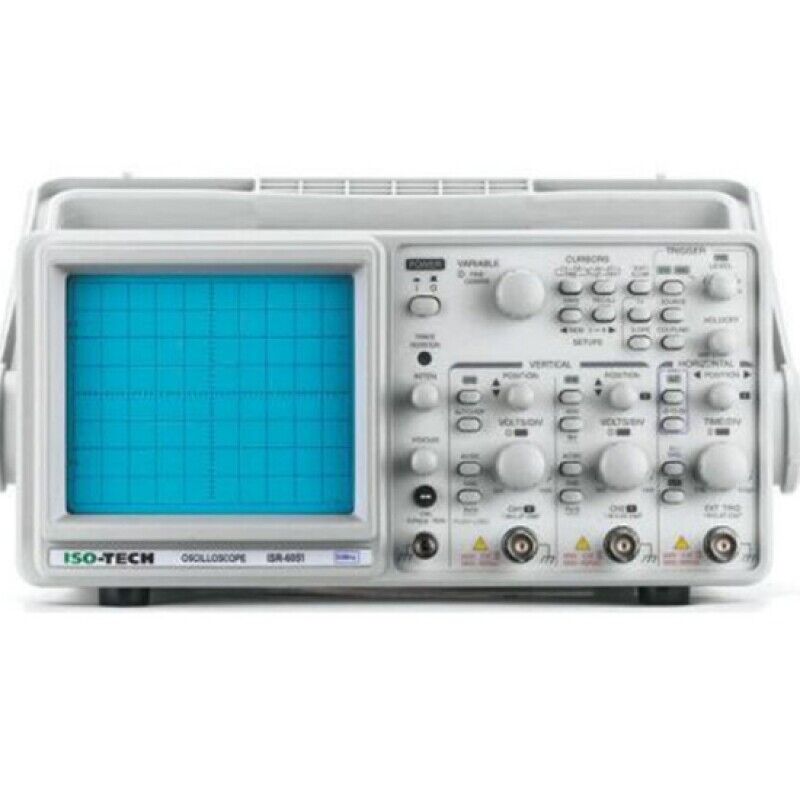
Oscilloscopes find applications in fields such as electronics design, repair, automotive diagnostics, telecommunications, and scientific research. Depending on specific needs, they can range from basic models with limited features to advanced devices with high bandwidth, multiple channels, and extensive analysis options.
Why Consider Buying a Used Oscilloscope?
There are several compelling reasons to opt for a used oscilloscope:
Cost Efficiency: The most apparent advantage is the cost savings. Used oscilloscopes are often significantly cheaper, making them accessible to students, hobbyists, and budget-conscious professionals.
Access to High-End Models: Purchasing used can allow you to acquire a higher-end model that might be financially out of reach if bought new.
Availability of Older Models: Some older models feature characteristics or interfaces no longer available in newer versions, which may still be preferable for certain tasks.
Avoiding Depreciation: New oscilloscopes lose value rapidly. By buying used, you can avoid the steepest depreciation phase.
Key Considerations When Buying a Used Oscilloscope
When shopping for a used oscilloscope, assess several factors to ensure it meets your needs and is in good condition:
Brand and Model: Start by identifying reliable brands. Some reputable names include Tektronix, Keysight (formerly Agilent), Rigol, and Fluke. Research the specific model you’re interested in to understand its features and typical price range.
Specifications: Confirm that the oscilloscope's specifications align with your requirements. Key specifications include:
- Bandwidth: This defines the frequency range the oscilloscope can measure.
- Sample Rate: Higher sample rates yield more detailed analysis.
- Number of Channels: Decide how many channels you require for simultaneous signal analysis.
- Memory Depth: This determines the amount of signal data the oscilloscope can capture and store.
- Input Impedance and Voltage Range: Ensure it can handle the signals you'll be working with.
Condition: Examine both the physical and operational condition of the oscilloscope. Look for wear signs like scratched screens and damaged buttons. Check if it powers on and accurately displays signals. If possible, ask the seller to demonstrate functionality.
Calibration: Regular calibration is crucial for accurate measurements. Check whether the oscilloscope has been calibrated recently and if a calibration certificate is available. If not, factor in the calibration cost post-purchase.
Accessories and Probes: Oscilloscopes typically require additional accessories like probes and power cords. Confirm whether these are included or need to be purchased separately.
Warranty and Return Policy: If buying from a reseller or online marketplace, verify if a warranty or return policy is offered to protect your purchase.
Where to Buy Used Oscilloscopes
You can explore various avenues for finding used oscilloscopes:
Online Marketplaces: Platforms like eBay, Amazon, and Craigslist often have diverse listings for used oscilloscopes. While these options are convenient, exercise caution with sellers who have poor ratings or vague descriptions.
Specialized Electronics Retailers: Certain retailers specialize in used and refurbished equipment, often providing warranties and thorough product descriptions.
Auction Sites: Online auctions, government surplus sales, and sites like GovDeals or LabX can be good sources for used oscilloscopes. However, be prepared for competitive bidding.
Local Electronics Shops: Some local shops or repair centers sell used oscilloscopes. This option allows for in-person inspection before purchase.
Forums and Classifieds: Electronics and engineering forums often have classified sections for members selling equipment, presenting opportunities for good deals from knowledgeable sellers.
Tips for Purchasing Used Oscilloscopes
- Do Your Research: Investigate the model you’re interested in, including its typical price and common issues. Understanding the market value will aid in negotiation.
- Ask Questions: Don’t hesitate to inquire about the oscilloscope’s history and condition. Request more photos or videos if the listing lacks detail.
- Verify Seller Reputation: Check feedback and reviews if buying online, looking for sellers with a history of reliability.
- Negotiate: Prices for used equipment are usually negotiable. Feel free to propose a lower offer, especially if the oscilloscope has noticeable issues or missing accessories.
How to Sell a Used Oscilloscope
If you wish to sell a used oscilloscope, follow these steps to maximize your return (selling test equipment can also follow this guide):
Assess Condition: Evaluate your oscilloscope’s functionality and appearance, being honest about any issues in your listing.
Gather Documentation: Compile original manuals, calibration certificates, and purchase receipts, as these can add value.
Clean and Test: Thoroughly clean the oscilloscope and test it to ensure it operates correctly. Having it calibrated before selling can enhance its marketability.
Take Quality Photos: Clear, well-lit photos are crucial for online listings. Capture the oscilloscope from various angles and include close-ups of important details.
Write a Detailed Description: Provide comprehensive details about the oscilloscope, including specifications, condition, and included accessories. Be transparent about any flaws.
Set a Fair Price: Research similar models to determine a competitive asking price, considering condition and demand.
Choose the Right Selling Platform: Decide where to sell based on your target audience. Online marketplaces can reach a larger audience, while local sales may be quicker.
Communicate Promptly: Respond to inquiries from potential buyers quickly and professionally, as clear communication fosters trust and can expedite the sale.
Secure Payment: Use secure payment methods like PayPal or bank transfers. Avoid accepting personal checks or unreliable payment forms.
Ship Safely: If selling online, pack the oscilloscope carefully to prevent damage during transit. Use protective materials and consider shipping insurance.
Conclusion
Buying and selling used oscilloscopes can be an economical way to access high-quality equipment without overspending. By understanding what to look for, where to buy, and how to assess the condition of a used oscilloscope, you can make decisions that align with your needs and budget. Whether you’re a buyer or seller, investing time in research and preparation will help you achieve successful outcomes in the used oscilloscope market.