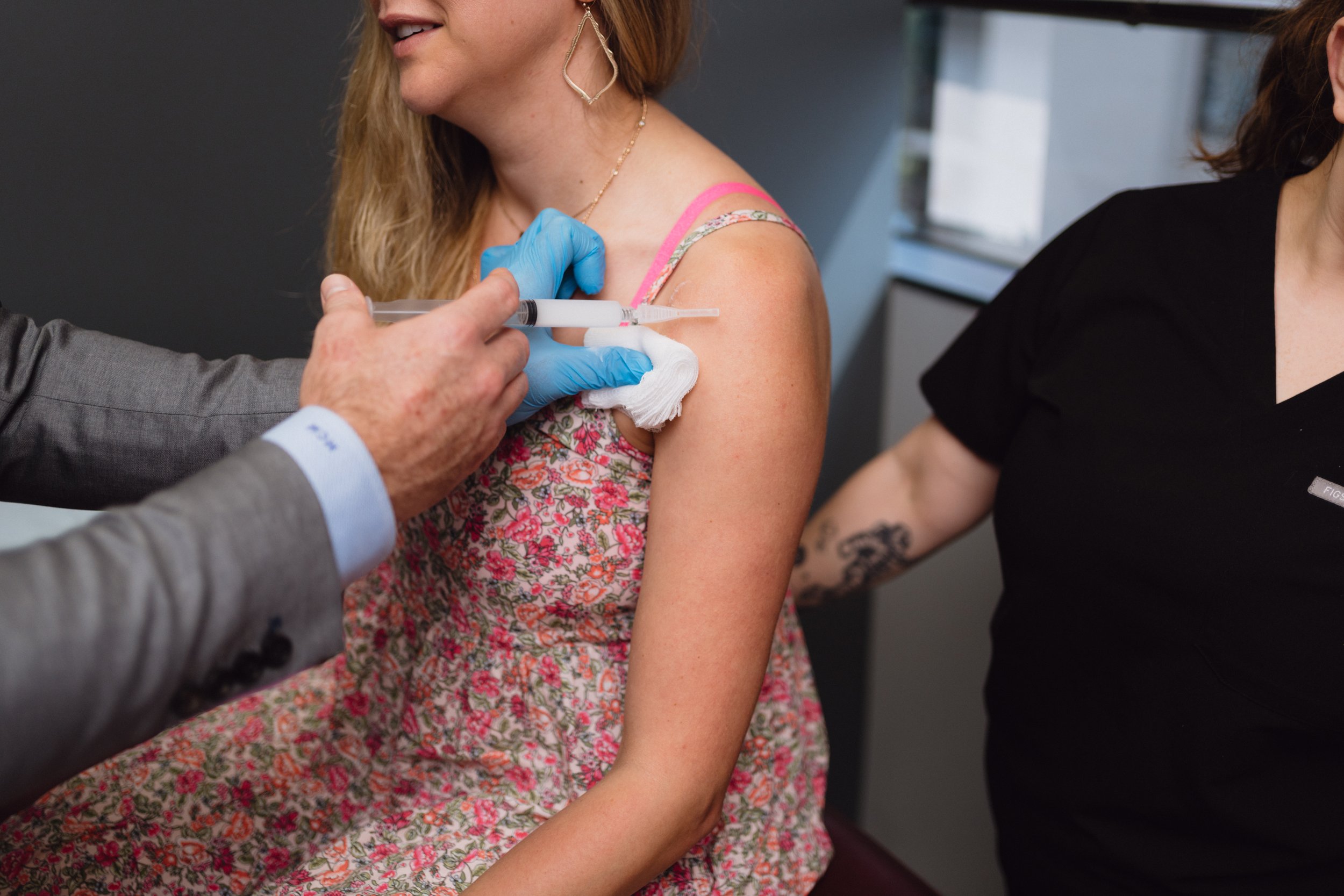
Joint injections are a highly effective, minimally invasive treatment for managing joint pain caused by arthritis, injury, or inflammation. For individuals in San Antonio seeking relief from chronic joint pain, understanding what happens during the procedure can help ease any concerns and prepare you for a successful experience.
In this guide, we’ll walk you through the entire process of getting joint injections in San Antonio—from the initial consultation to aftercare—so you’ll know exactly what to expect at each stage.
What Are Joint Injections?
Joint injections involve injecting medication directly into the joint space to reduce inflammation, alleviate pain, and improve mobility. These injections typically contain corticosteroids, hyaluronic acid, or platelet-rich plasma (PRP), depending on the underlying cause of the joint pain. The injections are most commonly administered in joints such as the knees, hips, shoulders, and elbows, though they can also be used in other areas like the spine or wrists.
Patients with arthritis, bursitis, tendonitis, and other inflammatory joint conditions often benefit from joint injections as part of their pain management plan.
Step-by-Step Breakdown of the Joint Injection Procedure
1. Consultation and Diagnosis
The first step in receiving joint injections is a consultation with a healthcare provider specializing in pain management or orthopedic care. During this visit, your provider will review your medical history, ask about your symptoms, and perform a physical examination of the affected joint.
To ensure an accurate diagnosis and to assess the severity of your condition, your doctor may recommend imaging tests such as X-rays, MRIs, or ultrasounds. These tests help determine whether joint injections are the right treatment for you and which type of injection is most appropriate.
2. Preparing for the Injection
Once your doctor determines that joint injections in San Antonio are a suitable treatment, the next step is preparing for the injection. Here’s what you can expect:
- Sterilization: The area around the joint will be cleaned thoroughly with antiseptic to minimize the risk of infection.
- Local Anesthesia: To reduce any discomfort during the procedure, your doctor may apply a local anesthetic to numb the area surrounding the joint. This step ensures that the procedure is as painless as possible.
3. The Injection Process
The injection itself is relatively quick and straightforward. Your healthcare provider will use imaging guidance, such as ultrasound or fluoroscopy, to accurately place the needle in the correct location within the joint. This imaging technology ensures that the medication is delivered precisely to the affected area, maximizing its effectiveness.
The medication used in the injection will depend on your specific condition. The most common options are:
- Corticosteroids: These injections are used to reduce inflammation and provide immediate pain relief for conditions such as arthritis and tendonitis.
- Hyaluronic Acid: This substance acts as a lubricant, helping to ease movement in joints affected by osteoarthritis, particularly in the knees.
- Platelet-Rich Plasma (PRP): PRP uses your body’s own platelets to promote healing and reduce inflammation in the joint. This option is often used for joint injuries or degenerative conditions.
Once the needle is inserted into the joint, the medication will be injected slowly to ensure it spreads evenly. Most patients report feeling minimal discomfort during the procedure, thanks to the local anesthesia and the precision of the injection.
4. Post-Injection Care
After the injection, you’ll be asked to rest for a short period before resuming your normal activities. Here’s what you can expect in terms of post-procedure care:
- Immediate Relief: Some patients experience immediate pain relief due to the anesthetic used in the injection, though the full effects of the corticosteroid or hyaluronic acid may take a few days to become noticeable.
- Activity Restrictions: It’s recommended that you avoid strenuous physical activities for at least 24–48 hours after the injection. Light activities and gentle movements are generally safe during this time.
- Ice Application: You may be advised to apply ice to the injection site to reduce any swelling or discomfort. Over-the-counter pain medications, like ibuprofen or acetaminophen, may also be used if needed.
Most patients can resume their regular activities within a few days, though you should always follow your doctor’s specific instructions for aftercare.
Benefits of Joint Injections
Many patients choose joint injections in San Antonio because they offer significant benefits, including:
- Non-surgical Pain Relief: Joint injections provide a non-invasive alternative to surgery for individuals with chronic pain. The procedure is quick, and patients can return to normal activities shortly after.
- Reduced Inflammation: Corticosteroid injections target inflammation directly, which can alleviate pain for weeks or months at a time.
- Improved Mobility: Hyaluronic acid injections help lubricate the joints, which can improve movement and reduce stiffness in patients with osteoarthritis.
- Tissue Regeneration: PRP injections use your body’s natural healing processes to promote tissue repair and reduce inflammation.
How Long Do Joint Injections Last?
The duration of pain relief from joint injections varies depending on the type of injection and the individual’s condition. Here’s a general overview:
- Corticosteroid Injections: These typically provide relief for 6–12 weeks, though some patients may experience longer-lasting effects.
- Hyaluronic Acid Injections: Relief from hyaluronic acid injections can last anywhere from 3 to 6 months, making it a long-term option for individuals with knee osteoarthritis.
- PRP Injections: The results of PRP injections may take longer to appear (a few weeks), but the benefits can last for several months or even longer, as it promotes the healing of damaged tissues.
In some cases, joint injections can be repeated if the pain returns, though there are limits to how frequently corticosteroid injections can be administered due to potential side effects.
Are There Risks Associated with Joint Injections?
While joint injections are generally safe, there are some risks to be aware of. These risks include:
- Infection: Although rare, there is a small risk of infection at the injection site. This risk is minimized by the use of sterile techniques during the procedure.
- Temporary Pain: Some patients experience temporary pain or swelling at the injection site, though this usually resolves within a few days.
- Allergic Reactions: In rare cases, individuals may have an allergic reaction to the medication used in the injection.
- Cartilage Damage: Repeated corticosteroid injections can lead to cartilage damage over time, which is why the number of injections is typically limited.
It’s important to discuss any concerns you have with your healthcare provider before proceeding with the injection.
Who Is a Good Candidate for Joint Injections?
Joint injections are an excellent option for individuals dealing with moderate to severe joint pain who have not found relief from other treatments such as physical therapy, oral medications, or lifestyle changes. You may be a good candidate for joint injections if you:
- Suffer from osteoarthritis, rheumatoid arthritis, or other inflammatory joint conditions
- Experience joint pain due to injury or degeneration
- Are seeking a non-surgical treatment option for pain relief
- Want to improve joint mobility and reduce stiffness
FAQs
1. How soon will I feel relief after the injection?
Some patients feel immediate relief due to the local anesthetic, but it may take a few days for the corticosteroid or hyaluronic acid to take full effect.
2. How long do the effects of joint injections last?
The duration of relief depends on the type of injection. Corticosteroids typically last 6–12 weeks, while hyaluronic acid can provide relief for up to six months.
3. Can I resume normal activities after the injection?
Most patients can return to normal activities within 24–48 hours, though it’s recommended to avoid strenuous physical activity for a few days after the procedure.
4. Are joint injections painful?
The procedure is generally not painful due to the use of local anesthesia. Some patients may feel mild discomfort during the injection, but it typically subsides quickly.
5. How many joint injections can I receive?
Corticosteroid injections are typically limited to 3–4 per year to avoid potential side effects, while hyaluronic acid and PRP injections can be administered more frequently if needed.
Conclusion
Joint injections are a highly effective, non-invasive treatment for individuals in San Antonio seeking relief from chronic joint pain. By targeting the source of pain directly, these injections offer long-lasting relief, reduce inflammation, and improve joint mobility. With minimal risks and a quick recovery time, joint injections in San Antonio provide an excellent option for managing joint pain and enhancing your overall quality of life.