Understanding Hypothyroidism Symptoms: Recognizing the Signs of an Underactive Thyroid
Hypothyroidism, a condition where the thyroid gland is underactive and produces insufficient thyroid hormones, can manifest through a variety of symptoms. These symptoms often develop gradually and may be subtle, making it challenging to diagnose the condition promptly. A thyroid specialist doctor in Bharuch can help identify and treat common symptoms of hypothyroidism, which include:
- Fatigue and Weakness: One of the most prevalent symptoms, fatigue, can be overwhelming and persistent, even after a full night's sleep. Patients often feel a general lack of energy and strength.
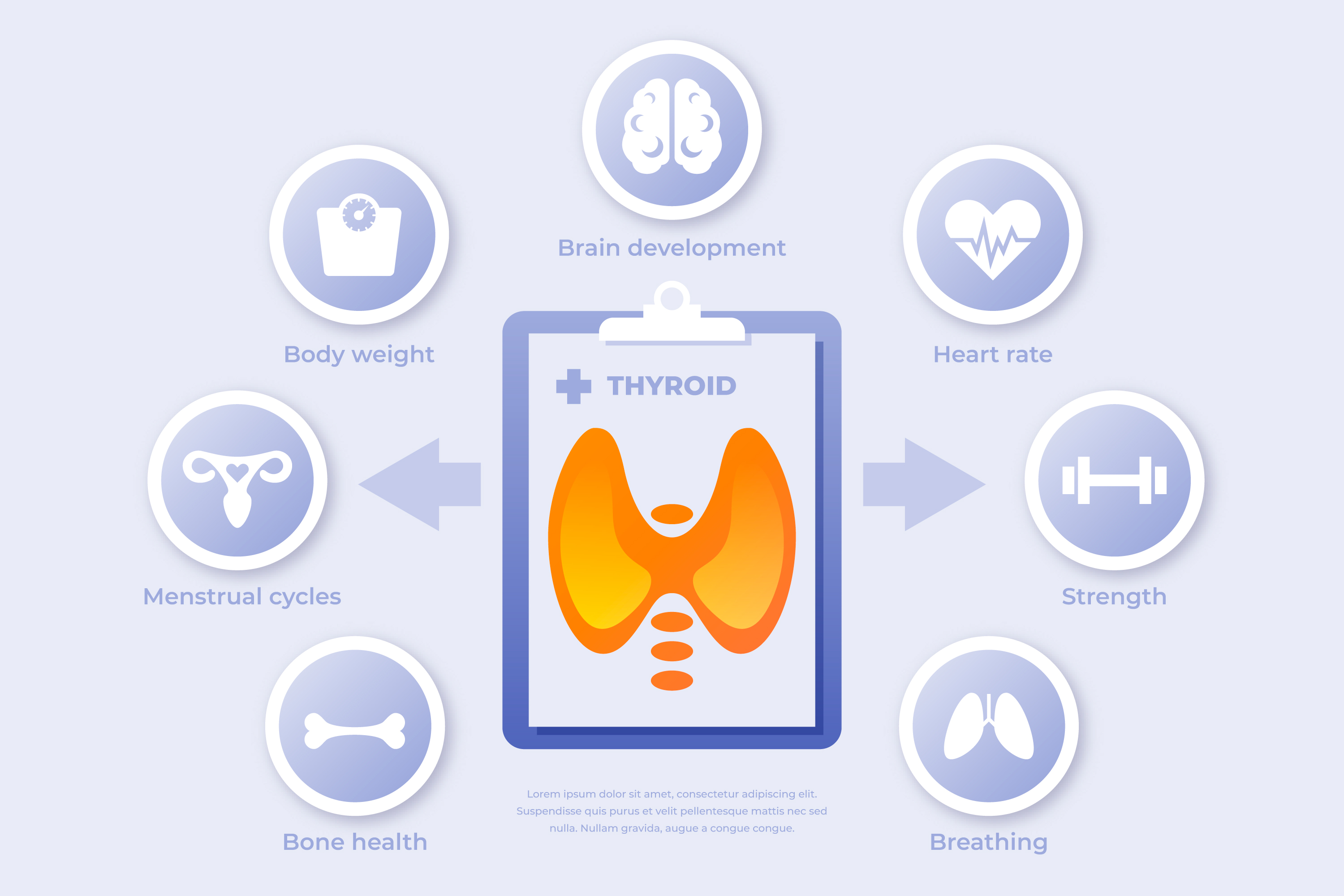
- Weight Gain: Unexplained weight gain is a hallmark of hypothyroidism. Despite maintaining a healthy diet and exercise routine, individuals may find themselves gaining weight due to a slower metabolism.
- Cold Intolerance: Individuals with hypothyroidism often feel unusually cold, even in warm environments. This is due to the body's reduced ability to generate heat.
- Dry Skin and Hair: Hypothyroidism can lead to dry, coarse skin and brittle hair. The skin may become rough and scaly, and hair may fall out more easily.
- Constipation: Sluggish bowel movements and constipation are common in hypothyroid patients due to a slower digestive process.
- Depression and Cognitive Issues: Hypothyroidism can affect mental health, leading to symptoms such as depression, memory problems, and difficulty concentrating.
- Muscle and Joint Pain: Muscle aches, stiffness, and joint pain are frequent complaints among those with hypothyroidism.
- Menstrual Irregularities: Women with hypothyroidism may experience irregular menstrual cycles, heavier periods, or difficulty conceiving.
Identifying Hyperthyroidism Symptoms: What to Look Out For in an Overactive Thyroid
Hyperthyroidism, characterized by an overactive thyroid gland producing excessive thyroid hormones, presents a different set of symptoms compared to hypothyroidism. Recognizing these symptoms is crucial for early diagnosis and effective management. Common symptoms of hyperthyroidism include:
- Unintentional Weight Loss: Despite having a normal or increased appetite, individuals with hyperthyroidism often experience significant weight loss due to an accelerated metabolism.
- Increased Heart Rate and Palpitations: A rapid or irregular heartbeat is a common symptom. Patients may feel their heart racing or pounding, even at rest.
- Heat Intolerance: Unlike hypothyroidism, hyperthyroid patients often feel excessively warm and may sweat profusely, even in cool environments.
- Nervousness and Anxiety: Hyperthyroidism can lead to heightened anxiety, nervousness, and irritability. Patients may feel restless and have difficulty relaxing.
- Tremors: Fine tremors, particularly in the hands and fingers, are a typical symptom of hyperthyroidism.
- Increased Bowel Movements: An overactive thyroid can speed up the digestive process, leading to more frequent bowel movements or diarrhea.
- Fatigue and Muscle Weakness: While hyperthyroidism can cause increased energy levels initially, it often leads to fatigue and muscle weakness over time.
- Sleep Disturbances: Difficulty sleeping, insomnia, and frequent waking are common in hyperthyroid patients.
- Menstrual Changes: Women with hyperthyroidism may experience lighter, less frequent menstrual periods or, in some cases, amenorrhea (absence of menstruation).
Symptoms of Thyroid Problems: Recognizing the Overlap and Differences Between Hypothyroidism and Hyperthyroidism
Both hypothyroidism and hyperthyroidism can significantly impact an individual's health and well-being. While they are distinct conditions with unique symptoms, there are some overlapping signs that can make diagnosis challenging. Understanding these similarities and differences is essential for proper diagnosis and treatment.
- Fatigue: Both conditions can cause fatigue, but the underlying reasons differ. In hypothyroidism, fatigue is due to a lack of thyroid hormones, while in hyperthyroidism, it results from the body's overexertion and inability to rest properly.
- Weight Changes: Weight gain is typical in hypothyroidism, whereas weight loss is common in hyperthyroidism. However, both conditions can lead to unexpected weight fluctuations.
- Temperature Sensitivity: Cold intolerance is a hallmark of hypothyroidism, while heat intolerance is characteristic of hyperthyroidism. These symptoms reflect the body's altered ability to regulate temperature.
- Mood and Cognitive Changes: Both conditions can affect mental health and cognitive function. Depression and memory issues are more common in hypothyroidism, while anxiety and irritability are prevalent in hyperthyroidism.
- Heart Rate: Hypothyroidism can cause a slow heart rate (bradycardia), whereas hyperthyroidism often leads to a rapid heart rate (tachycardia) and palpitations.
- Skin and Hair Changes: Dry skin and brittle hair are common in hypothyroidism, while hyperthyroidism can cause thinning hair and increased sweating.
- Menstrual Irregularities: Both conditions can disrupt menstrual cycles, but the patterns differ. Hypothyroidism typically causes heavier and more frequent periods, while hyperthyroidism leads to lighter and less frequent menstruation.
Causes and Risk Factors of Hypothyroidism: Understanding the Underactive Thyroid
Hypothyroidism can result from various causes and risk factors. Understanding these can help in identifying those at risk and implementing preventive measures. Common causes and risk factors include:
- Autoimmune Disorders: Hashimoto's thyroiditis, an autoimmune condition where the body's immune system attacks the thyroid gland, is the most common cause of hypothyroidism.
- Iodine Deficiency: Iodine is essential for thyroid hormone production. A deficiency in iodine can lead to hypothyroidism, although this is rare in developed countries due to iodized salt.
- Thyroid Surgery: Surgical removal of part or all of the thyroid gland can result in hypothyroidism.
- Radiation Therapy: Radiation treatment for cancers of the head and neck can damage the thyroid gland, leading to hypothyroidism.
- Medications: Certain medications, such as lithium and amiodarone, can interfere with thyroid hormone production and cause hypothyroidism.
- Genetics: A family history of thyroid disease increases the risk of developing hypothyroidism.
- Age and Gender: Hypothyroidism is more common in women and tends to occur more frequently with advancing age.
Exploring the Causes and Risk Factors of Hyperthyroidism: The Overactive Thyroid
Hyperthyroidism can also arise from several causes and risk factors. Identifying these can aid in early detection and management. Common causes and risk factors include:
- Graves' Disease: The most common cause of hyperthyroidism, Graves' disease is an autoimmune disorder where the immune system stimulates the thyroid gland to produce excessive hormones.
- Toxic Nodular Goiter: This condition involves the development of nodules in the thyroid gland that produce excess thyroid hormones independently of the gland's regulatory mechanisms.
- Thyroiditis: Inflammation of the thyroid gland, known as thyroiditis, can cause the release of stored thyroid hormones, leading to temporary hyperthyroidism.
- Excessive Iodine Intake: Consuming too much iodine, either through diet or medications, can trigger hyperthyroidism in susceptible individuals.
- Medications: Certain medications, such as amiodarone, which contains a high amount of iodine, can cause hyperthyroidism.
- Genetics: A family history of hyperthyroidism or autoimmune thyroid disease increases the risk of developing the condition.
- Age and Gender: Hyperthyroidism is more common in women and typically occurs in individuals under the age of 40.
Effective Treatment Options for Hypothyroidism: Restoring Thyroid Balance
Treating hypothyroidism involves restoring normal thyroid hormone levels in the body. The primary treatment options include:
- Levothyroxine: The most common treatment, levothyroxine is a synthetic form of the thyroid hormone thyroxine (T4). It is taken orally and helps normalize hormone levels, alleviating symptoms.
- Regular Monitoring: Patients on thyroid hormone replacement therapy require regular blood tests to monitor thyroid hormone levels and adjust dosages as needed.
- Diet and Lifestyle: While medication is the primary treatment, maintaining a healthy diet and lifestyle can support overall well-being and improve symptoms.
Managing Hyperthyroidism: Treatment Strategies for an Overactive Thyroid
Treating hyperthyroidism aims to reduce the production of thyroid hormones or block their effects on the body. Common treatment options include:
- Antithyroid Medications: Drugs such as methimazole and propylthiouracil (PTU) inhibit thyroid hormone production and are often used as the first line of treatment.
- Radioactive Iodine Therapy: This treatment involves taking radioactive iodine orally, which selectively destroys overactive thyroid cells, reducing hormone production. It is a common and effective treatment for hyperthyroidism.
- Beta-Blockers: These medications do not reduce thyroid hormone levels but help manage symptoms such as rapid heart rate, tremors, and anxiety by blocking the effects of excessive hormones.
- Surgery: In cases where other treatments are ineffective or not suitable, surgical removal of part or all of the thyroid gland (thyroidectomy) may be necessary.
- Lifestyle and Dietary Changes: Managing stress, avoiding excessive iodine intake, and following a balanced diet can support treatment and improve symptoms.
Conclusion: Taking Charge of Your Thyroid Health
Understanding the key differences between hyperthyroidism and hypothyroidism is crucial for effective management and treatment. Both conditions can significantly impact your quality of life, but with proper diagnosis, treatment, and lifestyle adjustments, individuals can lead healthy and fulfilling lives. Regular check-ups, staying informed about symptoms, and working closely with healthcare providers are essential steps in maintaining optimal thyroid health.
Experiencing extra weight gain due to hypothyroidism ?
Willing to know the Symptoms of High Thyroid Levels?
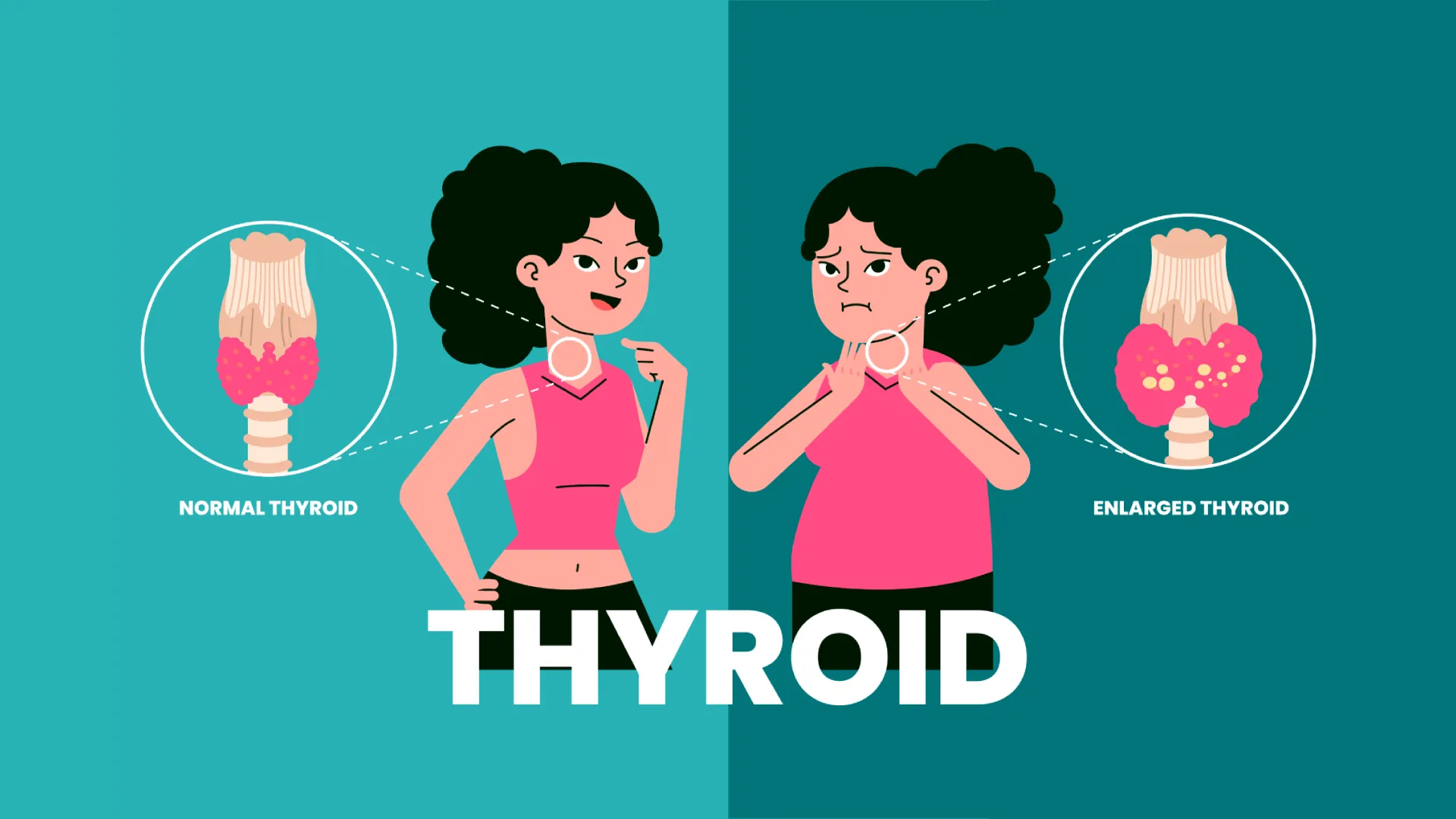
Well, Hypothyroidism is a common condition where the thyroid doesn’t create and release enough thyroid hormone into your bloodstream.
It makes your metabolism slow down.
So Book your consultation with angela brown she will provide you good and valuable advice to avoid these symptoms