


In the UK, business owners face a myriad of responsibilities, not least of which is ensuring the safety and security of their premises. A critical yet often overlooked component of this is the premises information box. This essential tool serves not just as a safeguard but as a vital element in emergency preparedness and response. With the potential to save lives and protect property, understanding the significance of an information box is crucial for every business owner.
What is a Premises Information Box?
A premises information box is a clearly marked, secure box that contains vital information about a property, which can be accessed by emergency services. Typically installed in a prominent location, this box may include details such as emergency contacts, building plans, hazardous materials present, and other essential data that first responders might need in case of an emergency.
The concept is simple yet powerful: by providing crucial information upfront, businesses can facilitate a quicker and more effective response during emergencies, which can significantly mitigate damage and enhance safety.
Legal Requirements and Industry Standards
While the installation of an information box may not be mandated by law for all businesses, certain sectors and local authorities advocate for its use as part of broader health and safety regulations. For example, businesses handling hazardous materials or operating in high-risk environments are often required to maintain detailed safety information. The use of an information box can not only ensure compliance but also demonstrate a commitment to safety and responsibility.
The UK government and various industry bodies have established guidelines recommending that all commercial properties have an information box. By aligning with these standards, businesses can showcase their proactive approach to emergency preparedness, thereby gaining trust and credibility within their communities.
The Components of a Premises Information Box
A well-equipped premises information box should contain:
- Emergency Contacts: This includes the details of key personnel, such as facility managers and health and safety officers, as well as contacts for local emergency services.
- Building Layouts: Detailed maps showing exits, fire escapes, and critical areas can aid emergency responders in navigating the premises effectively.
- Hazardous Materials Information: Any materials present that pose a risk should be clearly identified, along with safety data sheets.
- Evacuation Procedures: Clear instructions on evacuation routes and procedures can help ensure the safety of all occupants.
- Additional Information: Any other relevant information, such as the location of fire extinguishers, first aid kits, and security features.
By ensuring these components are included, businesses can significantly enhance the effectiveness of their premises information box.
Benefits of Implementing a Premises Information Box
The advantages of an information box extend far beyond compliance; they contribute to the overall safety and efficiency of your operations.
1. Enhanced Safety
In an emergency, every second counts. An information box enables quick access to essential information, allowing emergency responders to act swiftly and efficiently. This can mean the difference between a controlled situation and a catastrophic outcome.
2. Reduced Liability
By proactively managing emergency preparedness through a premises information box, businesses can mitigate risks associated with emergencies. This not only helps protect employees and customers but can also shield the business from potential legal liabilities arising from negligence.
3. Improved Emergency Response
With clear information at their fingertips, emergency services can tailor their response to the specific challenges of your premises. This leads to more effective interventions and a greater likelihood of preserving both life and property.
4. Peace of Mind
Knowing that you have taken steps to ensure the safety of your premises fosters a sense of security for both employees and customers. It reflects a culture of safety that can enhance morale and trust.
How to Implement a Premises Information Box
Implementing a premises information box is straightforward, yet it requires careful planning. Here are some steps to guide you through the process:
- Assess Your Needs: Consider the specific risks associated with your business and what information would be most beneficial in an emergency.
- Gather Information: Collect all relevant data, ensuring it is up-to-date and accurate.
- Select a Suitable Location: Choose a prominent, easily accessible location for your box. It should be visible to emergency services and staff.
- Regularly Update: Make it a habit to review and update the contents of your information box regularly, especially after any significant changes to your premises or operations.
- Educate Staff: Ensure that your employees know the purpose of the box and how to access it. Regular training sessions can reinforce this knowledge.
Conclusion
In a world where emergencies can strike at any moment, preparedness is not just a best practice; it's a necessity. A premises information box offers a simple yet effective means of enhancing safety and ensuring that your business is well-equipped to handle emergencies. By prioritizing the installation and maintenance of this crucial resource, you’re not only protecting your assets but also fostering a culture of safety that resonates throughout your organization.
Don’t wait until it’s too late. Take action today to implement a premises information box and ensure that your business is ready to face whatever challenges may arise. Your employees, customers, and community will thank you for it.
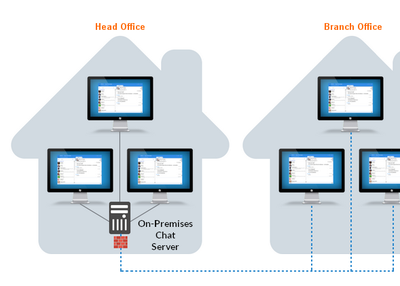
Output Messenger offers On-Premises Chat Server to provide you the Private and Secure Communication, as all data are more precious stones in business’s fruitfulness and firm victory.

At the point when you visit another's property, regardless of whether home or business, you have the right to be protected while there.
But in some cases, property owners do not maintain their premises property, causing tragic injuries, then you must need a premises liability lawyer like Victor Strauss Attorney At Law to get compensation on your behalf for medical expenses.