


:In the world of construction and DIY projects, even the smallest of components play a significant role in ensuring the stability, safety, and longevity of a structure. One such component is the sleeve anchor bolt. Although it may be small, this tool is incredibly useful and vital in various fastening applications. It provides reliable support and strength, especially in environments where materials such as concrete, brick, or stone need to be connected to other components.
What is a Sleeve Anchor Bolt?
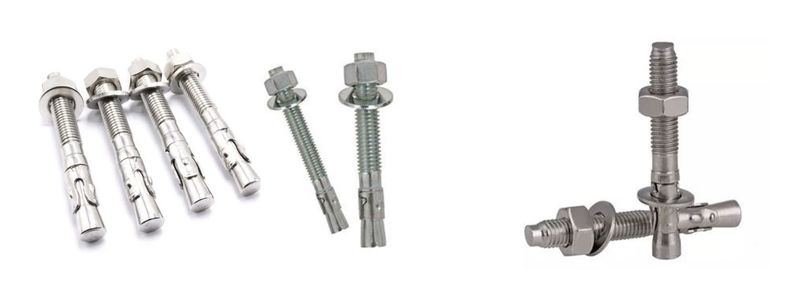
A sleeve anchor bolt is a type of fastener used to secure objects or materials into masonry substrates like concrete, brick, or stone. It consists of four main parts: the bolt, the sleeve, the nut, and a washer. The sleeve is the most important part of this anchor as it expands once the bolt is tightened, creating a firm and stable grip in the hole it has been inserted into.
How Do Sleeve Anchor Bolts Work?
The working principle of sleeve anchor bolts is quite simple yet incredibly effective. Here’s a breakdown of how it functions: 1. Drilling the Hole: To begin, a hole is drilled into the masonry material (such as concrete or brick) using a masonry bit that matches the diameter of the sleeve anchor bolt. 2. Inserting the Sleeve Anchor: The sleeve anchor, complete with its bolt, is inserted into the pre-drilled hole. The sleeve will fit into the hole, while the bolt extends outwards for further tightening. 3. Tightening the Bolt: When the nut on the bolt is tightened, the sleeve begins to expand. As the sleeve expands, it presses tightly against the walls of the hole, creating friction and providing a secure hold. 4. Securing the Object: Once the sleeve is firmly in place, the object that needs to be fastened is secured between the washer and the masonry surface. This creates a strong, reliable connection.
Applications of Sleeve Anchor Bolts
Due to their versatility, sleeve anchor bolts are used across a wide range of industries and projects, from large construction sites to small DIY tasks. Here are some common applications: 1. Mounting Heavy Equipment: When installing heavy machinery or equipment onto concrete floors or walls, sleeve anchor bolts offer the strength and durability required to hold the weight securely over time. They are frequently used in industrial environments where equipment needs to be safely fastened to masonry surfaces. 2. Securing Handrails and Guardrails: Sleeve anchor bolts are perfect for securing railings to concrete staircases or floors. Whether it's in residential homes, commercial buildings, or public infrastructure, the safety provided by well-anchored railings is crucial. 3. Fixing Shelves and Brackets: In both home and commercial settings, shelves and brackets often need to be attached to concrete or brick walls. Sleeve anchors provide the necessary support, ensuring that the shelves can bear the intended load without risk of collapsing. 4. Attaching Fixtures to Ceilings: Sleeve anchors can also be used for ceiling fixtures, such as light fittings, fans, or suspended structures. They provide the necessary support for holding objects securely overhead. 5. Fence and Gate Installation: For outdoor applications like installing fences or gates into brick or stone walls, sleeve anchor bolts are ideal. They can withstand outdoor conditions and provide the needed durability to withstand constant use and exposure to the elements.
Summing up, the sleeve anchor bolt may be small, but its usefulness in construction and DIY projects cannot be overstated. Whether you're hanging shelves, securing machinery, or installing handrails, this versatile fastener offers reliable strength and support. With its easy installation process, high load capacity, and adaptability across different materials, the sleeve anchor bolt is a tiny tool that can make a big difference in ensuring safety and stability in any project.