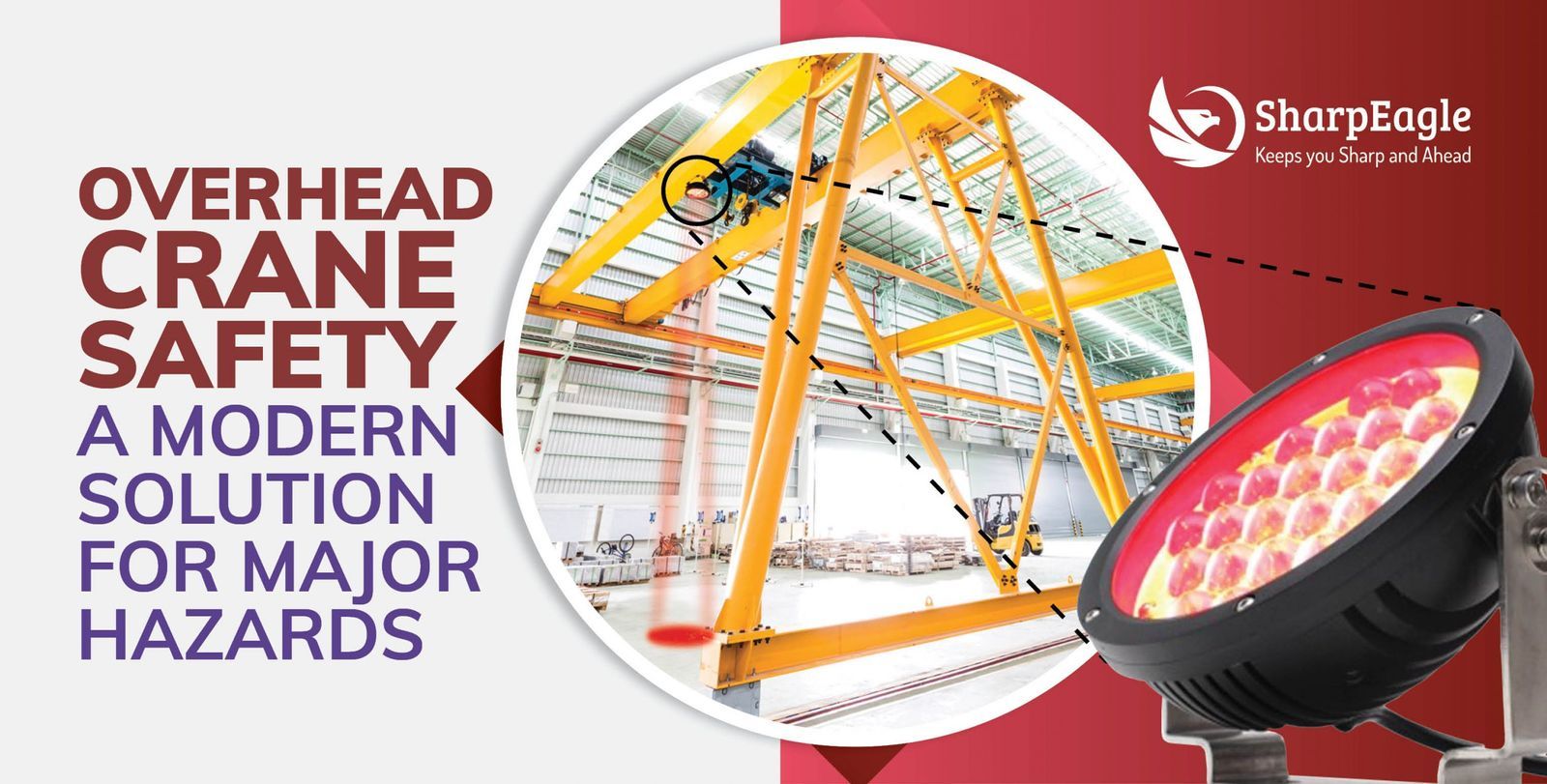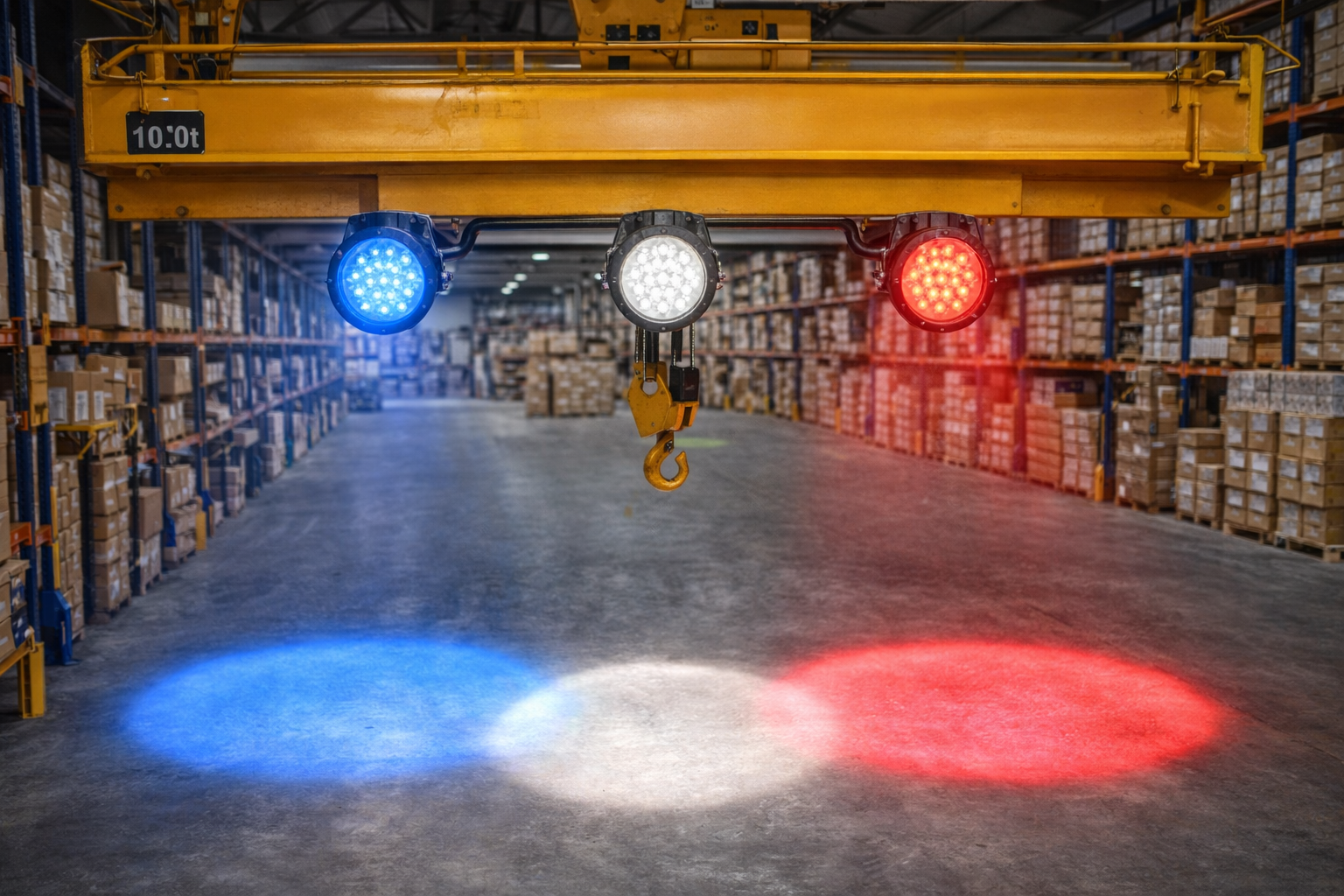


Between 2011 and 2017, the Census of Fatal Occupational Injuries (CFOI) reported a staggering total of 297 crane-related deaths. Mishaps caused by lapses in crane safety often put the lives of the crew members at risk and result in significant losses for the company. Imagine the impact of a crane malfunction on a bustling construction site or industrial setting. In such scenarios, crane lights can make all the difference. Making sure that crane safety lights work efficiently isn't a choice - it's a mandate to stop accidents and follow strict OSHA rules.
This blog explores the key role of crane safety lights in protecting workers and meeting OSHA standards. We'll look at the main causes of crane accidents and examine legal impacts and OSHA safety guidelines. Our aim is to shed light on the proactive safety measures in high-risk settings. By using safety lights properly, companies ensure compliance and create a secure work environment.
Want to discover how adding safety lights prevents crane accidents and boosts workplace safety? Read on to understand the crucial role of crane safety lights in accident prevention and regulatory compliance.
Introduction to Crane Accident Injuries and OSHA Safety Regulations
Construction sites have huge cranes operating, where these machines lift heavy objects on a daily basis. Their malfunctioning could cause terrible accidents, including workers getting injured or even dying. This is why companies are in a continuous pursuit for creating optimal working conditions and preventing these accidents. When you think about how crane mishaps also bring lawsuits and fines, these problems cost a ton too!
Crane accidents happen for different reasons. They occur mostly when operators and crew don't communicate well, or when safety rules aren't followed properly. Busy work areas only add to the chaos, and prevent proper communication.
That's why OSHA has made strict crane safety rules, which exist to train operators correctly. Ignoring OSHA guidelines can bring about harsh penalties, lawsuits and reputation hits for the companies. At the minimum, safety gear must be worn and general precautions should be taken to comply with the set safety standards.
Putting crane safety first lowers accident risk, by enabling clear communication when voice or clear line of sight are difficult to achieve.
By investing in training, safety equipment, and implementing OSHA regulations, you can create a safer working environment, reduce accidents, and protect the well-being of the workers.
Why Do Crane Accidents Happen
Crane mishaps can lead to grave injuries, property wreckage, and even deaths. Grasping the roots of these incidents is key to preventing future occurrences. Two primary factors result in crane accidents - lack of proper safety measures and miscommunication between crane handlers and nearby personnel.
Lack of Proper Safety Procedures
Crane mishaps often happen due to the absence or inadequate implementation of safety protocols. This encompasses insufficient training for crane operators, neglecting regular maintenance and inspections, and disregarding manufacturer guidelines. Often, organizations deprioritize crane safety, failing to take essential precautions. Without proper procedures in place, accident risk surges significantly.
Miscommunication Between Operators and Surrounding Personnel
Effective communication is crucial for crane operations. Miscommunication can trigger disastrous results. Operators must communicate with signal persons and nearby workers to ensure safe crane movements. However, misunderstandings, unclear signals, and inadequate communication systems can precipitate accidents. Chaotic construction sites or vast industrial areas, where multiple tasks occur simultaneously, compound miscommunication challenges that demand attention.
Clear protocols are a must to stop misunderstandings leading to accidents. Ensuring proper visibility is key. Using radios and headsets to communicate on the worksite can help too.
Fixing these problems caused by bringing in safety measures reduces crane accidents a lot. The next part talks about legal problems crane accidents can cause. Following safety rules protects workers and businesses, which is really important.
Potential Legal Implications of Crane Accidents
Crane mishaps carry severe legal consequences - for both the companies and individuals. Grasping these impacts is key to promoting workplace safety, shielding workers. Several potential legal ramifications stem from crane accidents:
1. Claims for Personal Harm
Injured individuals may file claims seeking compensation for medical costs, pain/suffering damages, and lost income. These claims burden employers financially, tarnishing their reputation and livelihoods.
2. Workers' Compensation Benefits
When accidents cause injuries/deaths, affected employees receive benefits. Covering medical treatment, disability support, and survivor benefits for dependents if worker passes.
3. Potential Lawsuits
If negligence/defective equipment caused an accident, injured parties/families may sue the responsible party. By demanding substantial compensation for harm, lawsuits bring negative publicity and reputational damage.
Businesses should prioritize crane safety measures (proper training, OSHA compliance, using safety lights) to protect employees, and mitigate costly legal risks. Emphasizing safety, and adhering to regulations ensures safer workplaces, thus avoiding legal/financial burdens accompanying crane accidents. Read more