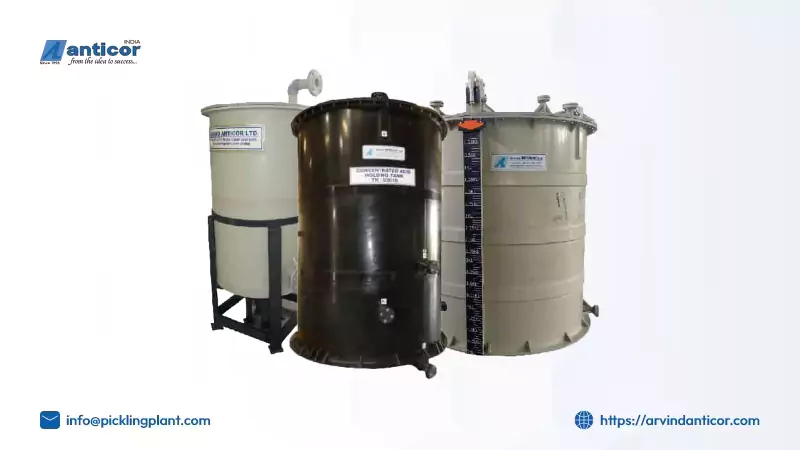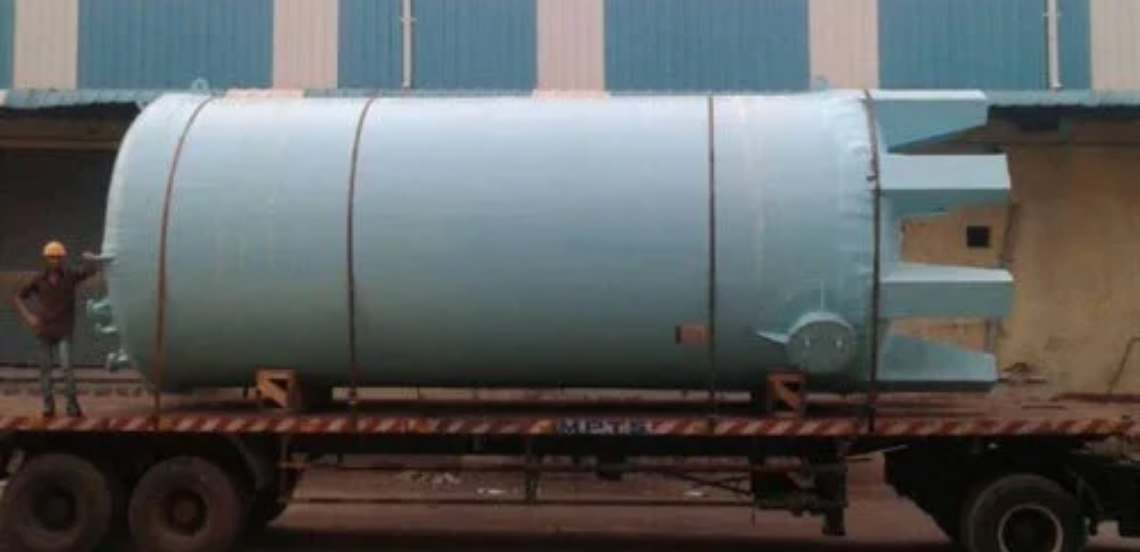


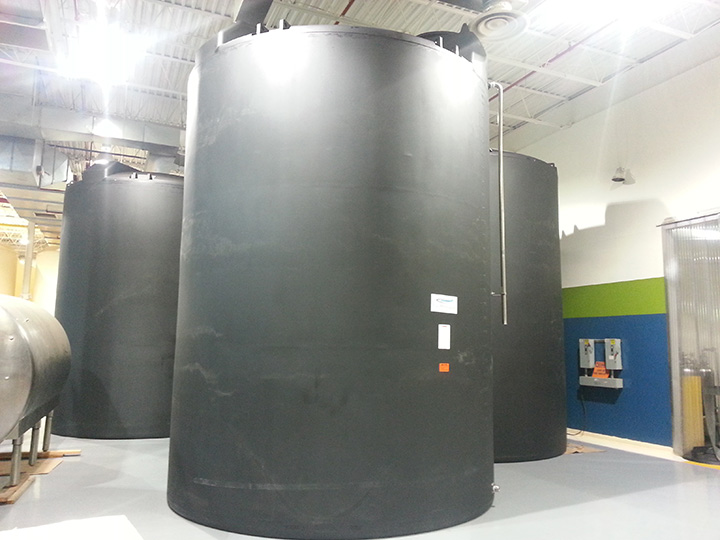
Safety, durability, and efficiency are paramount points in chemical storage. Polyethylene tanks have emerged as a popular choice for this critical task due to their unique properties and advantages. Whether you’re managing a small-scale operation or a large industrial facility, understanding the benefits and considerations of polyethylene tanks can help ensure the secure and effective storage of chemicals.
Why Choose Polyethylene Tanks?
Polyethylene, a versatile plastic polymer, offers several distinct advantages for chemical storage:
Corrosion Resistance
Polyethylene tanks are highly resistant to a wide range of chemicals, including acids, bases, and solvents. Unlike metal tanks, which can corrode or react with certain substances, polyethylene provides a non-reactive surface that helps prevent contamination and degradation.
Durability and Impact Resistance
These tanks are designed to withstand physical impacts and rough handling. Their flexibility and strength make them less likely to crack or break under stress, which is particularly important in dynamic industrial environments.
Cost-Effectiveness
Compared to alternative materials such as stainless steel or fiberglass, polyethylene tanks are generally more affordable. Their cost-effectiveness is particularly advantageous for industries that require large volumes of storage or frequent tank replacements.
Ease of Maintenance
Polyethylene tanks are relatively easy to clean and maintain. Their smooth, non-porous surface prevents the buildup of residues and makes cleaning processes straightforward, reducing downtime and maintenance costs.
Applications in Chemical Storage
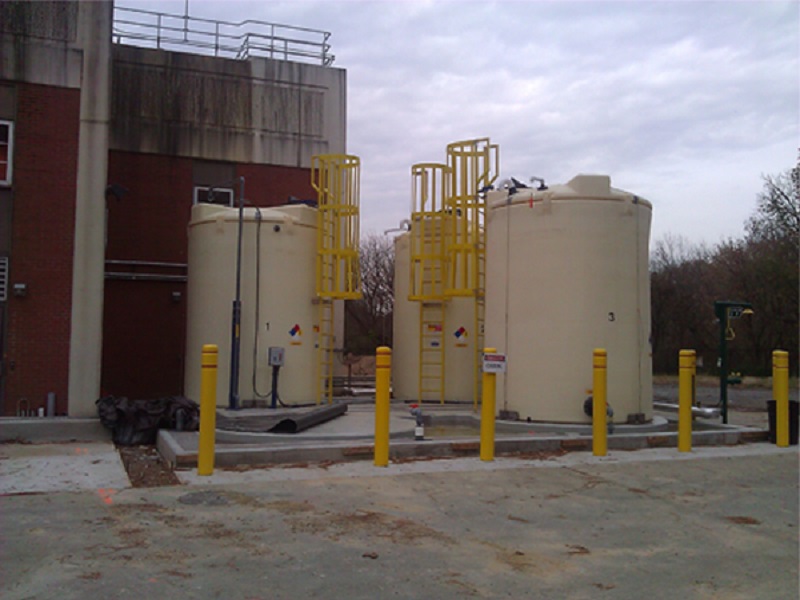
Polyethylene tanks are suitable for a wide range of chemical storage applications. Pesticides, herbicides, and fertilizers benefit from the chemical resistance of polyethylene, which helps maintain their effectiveness and ensures safe handling. From manufacturing processes to waste management, polyethylene tanks can safely store a variety of industrial chemicals without risk of leakage or contamination.
Used in both municipal and private water treatment facilities, these tanks can store chemicals like chlorine and sulfuric acid essential for water purification? While polyethylene tanks offer numerous advantages, there are several factors to consider.
Polyethylene can become brittle at low temperatures and may soften at high temperatures. It is crucial to ensure that the tank’s temperature range aligns with the chemicals stored and the environmental conditions.
Prolonged exposure to ultraviolet (UV) light can degrade polyethylene over time. To mitigate this, tanks should be shielded from direct sunlight or coated with UV-resistant additives.
Not all chemicals are compatible with polyethylene. Conduct thorough compatibility tests or consult with tank manufacturers to ensure that the selected tank material is suitable for the specific chemicals. Find the top manufacturers and place an order accordingly.
Summary: Polyethylene tanks for chemical store offer a practical and reliable solution for chemical storage across various industries. Their resistance to corrosion, durability, and cost-effectiveness make them a preferred choice for many applications.