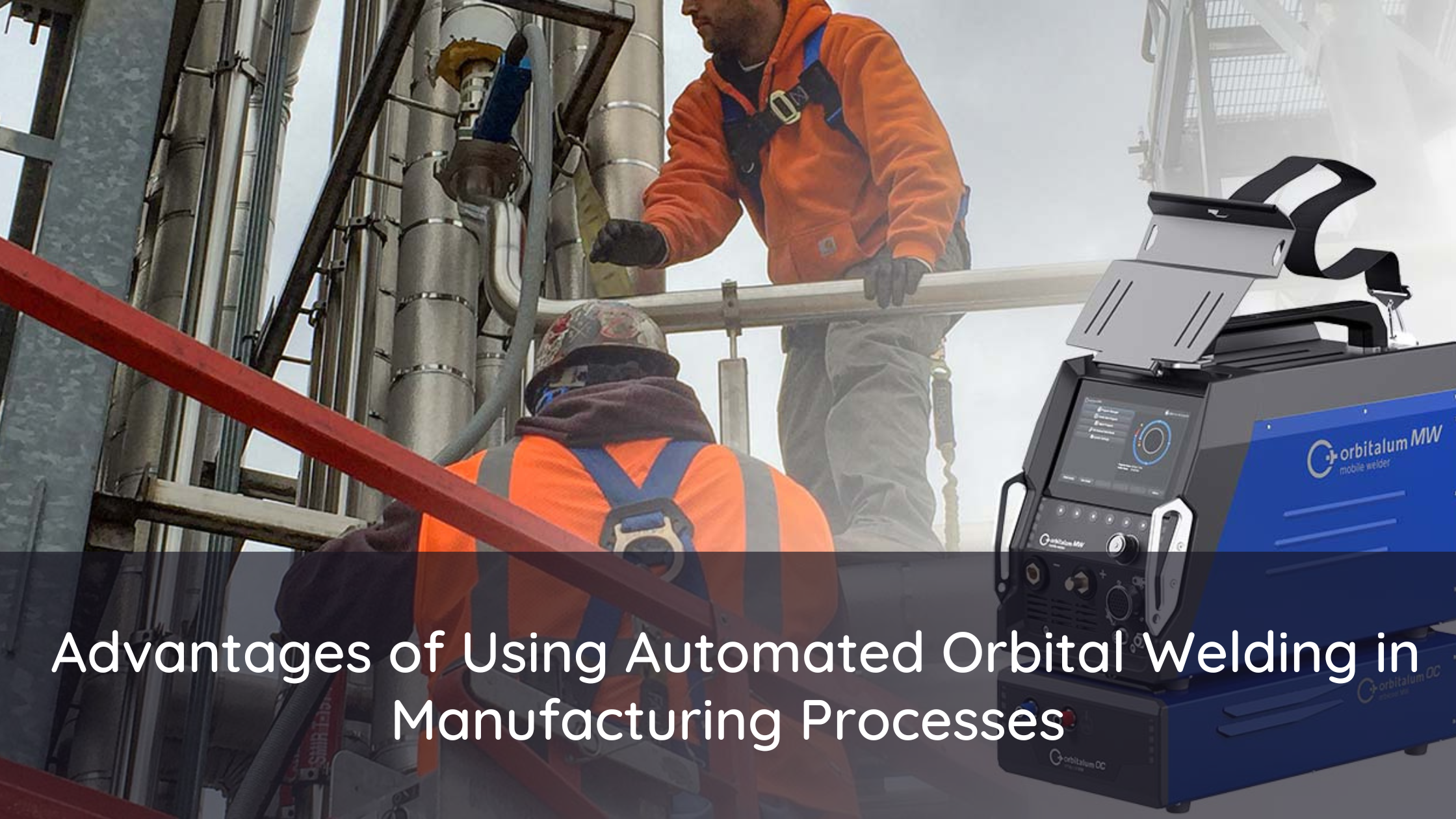
Orbital welding has become a critical process in various industries, especially those that require precision and consistent quality in their welding operations, such as aerospace, pharmaceutical, food processing, automotive, and petrochemical industries. The introduction of automated orbital welding has revolutionized traditional welding methods by incorporating automation, enhancing productivity, and ensuring high-quality, repeatable results. This article delves into the numerous advantages of using automated orbital welding in manufacturing processes.
What is Automated Orbital Welding?
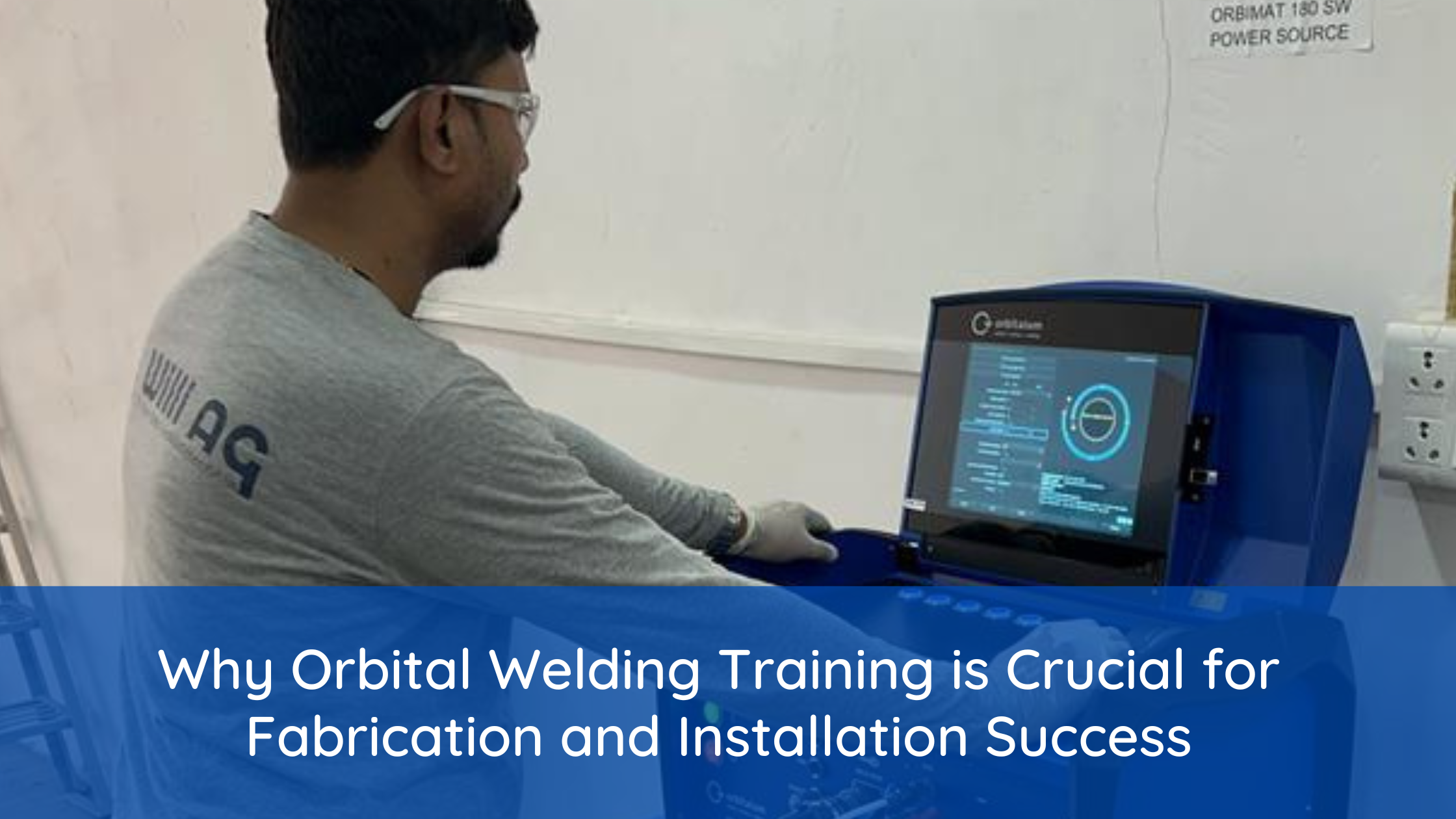
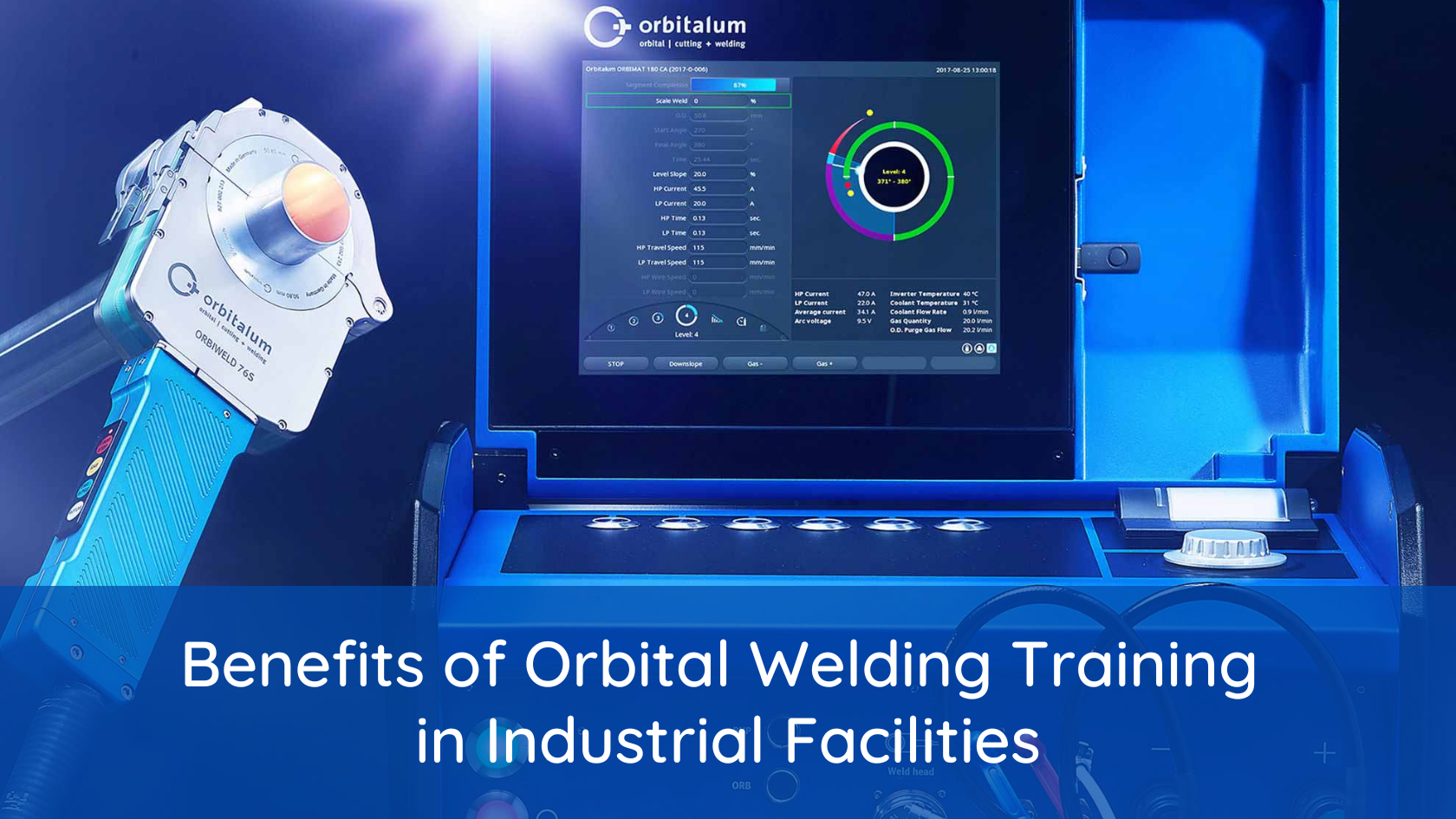
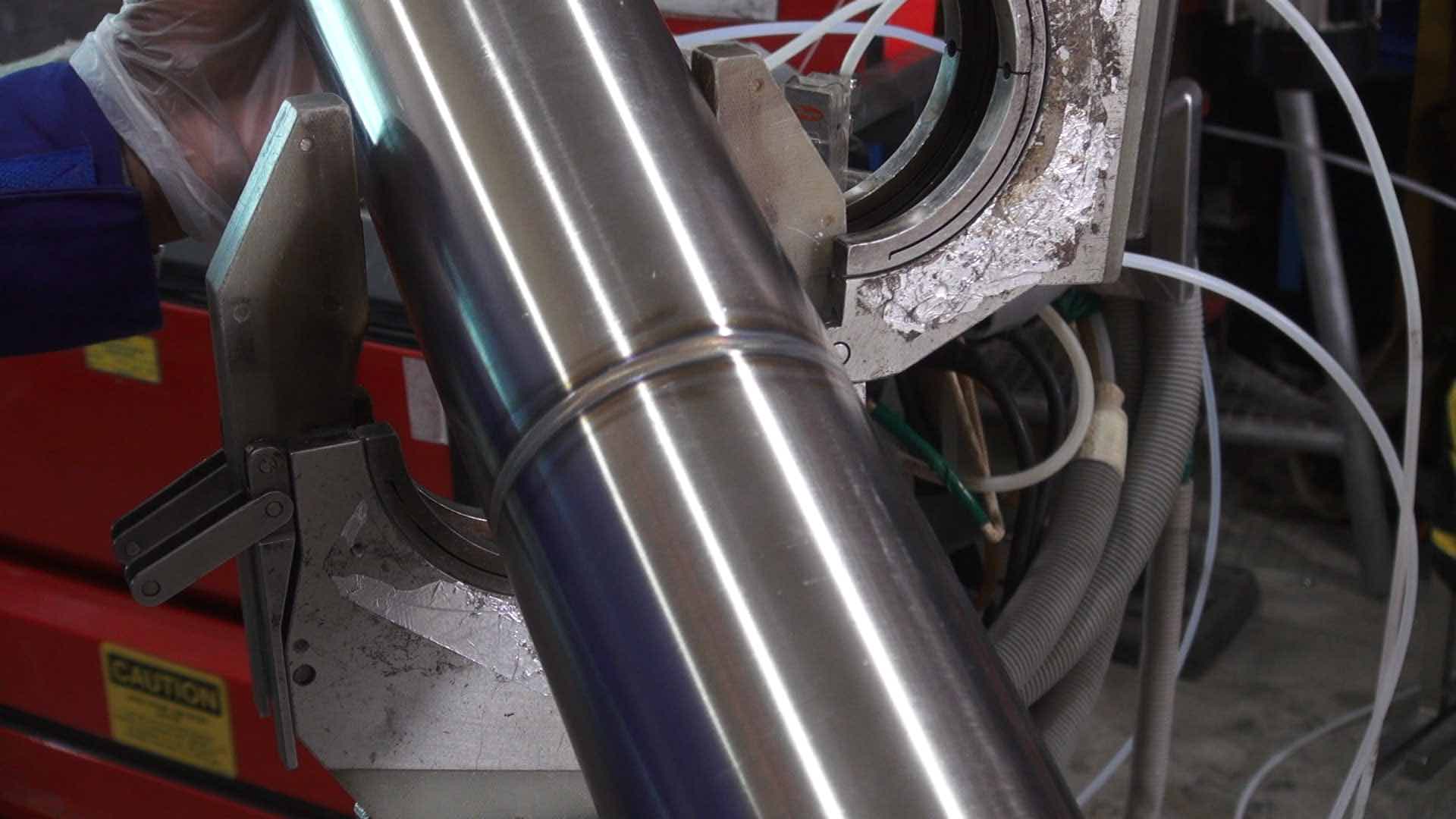
Before discussing its advantages, it is essential to understand what automated orbital welding is. Orbital welding involves a welding process where the welding arc is mechanically rotated around a workpiece, usually a pipe or a tube, in a 360-degree orbit. Automated orbital welding refers to the integration of robotic systems or machines that control the welding process, making it more efficient and precise.
The technology is commonly employed in industries where high levels of accuracy and cleanliness are required because it reduces human error and inconsistencies in welds. These automated systems are typically controlled by pre-programmed software, allowing for precise control of the welding process and enabling optimal weld quality.
Advantages of Automated Orbital Welding
1. Improved Weld Quality and Consistency
One of the primary benefits of using automated orbital welding is the superior quality and consistency of welds. In manual welding, the quality can vary depending on the operator’s skill, fatigue, and external factors. Automated systems, on the other hand, follow a set of predefined parameters that ensure each weld is identical, reducing the likelihood of human error. This precision is especially important in industries like aerospace or pharmaceuticals, where even minor imperfections in welds can lead to critical issues such as leaks or contamination.
Automated orbital welding systems are designed to maintain a consistent weld bead, ensuring uniform penetration, even heat distribution, and better fusion of materials. This consistency significantly reduces the chances of defects like undercuts, over-welding, and porosity. The resulting welds are often stronger and more durable than those produced manually.
2. Enhanced Productivity and Efficiency
Automation, in general, has always been associated with increased productivity, and orbital welding is no exception. Automated orbital welding systems can perform the welding process much faster than manual methods while maintaining high accuracy. By automating repetitive welding tasks, manufacturers can reduce the overall cycle time for each weld, leading to increased throughput.
Furthermore, automation eliminates the need for breaks that human welders might require, allowing continuous operations, which maximizes efficiency. With automated orbital welding, operators can program the machine, initiate the process, and oversee multiple systems at once, drastically reducing the need for labor and increasing production output.
3. Reduction of Labor Costs
The use of automated orbital welding systems reduces the dependency on skilled labor, which can be costly and challenging to source. While the initial investment in automated welding equipment can be high, manufacturers often realize long-term cost savings due to the reduction in labor costs and increased productivity.
Skilled welders are essential for traditional manual welding techniques, and the demand for these professionals can exceed supply, leading to higher wages. Automated orbital welding systems require fewer personnel to operate, and the operators need less specialized training. With automated systems, the role of the human operator is largely supervisory, further cutting down on the need for highly trained welders.
4. Increased Safety
Welding is inherently dangerous, exposing workers to high temperatures, fumes, ultraviolet light, and electrical hazards. Automated orbital welding improves workplace safety by reducing direct human involvement in the welding process. Since the welding is performed by machines, operators are not exposed to the same level of risks as manual welders.
With automated systems, there is less need for workers to be in close proximity to hazardous conditions, such as tight spaces or high-pressure environments, which is often the case in industries like petrochemical or nuclear energy. This results in fewer accidents, injuries, and health issues associated with prolonged exposure to welding environments, thereby promoting a safer working environment.
5. Minimal Material Waste
Another significant advantage of automated orbital welding is the reduction in material waste. Due to the high precision and consistency of automated systems, manufacturers can reduce the amount of scrap material generated by welding defects or incorrect welds. This precision allows for the optimization of material usage, as each weld is completed according to exact specifications, ensuring minimal rework or repairs.
Moreover, automated orbital welding systems can be programmed to use only the required amount of filler material, reducing excess material consumption and associated costs. This is particularly beneficial in industries where high-quality materials like titanium, stainless steel, or other expensive alloys are commonly used.
6. Scalability and Flexibility
Automated orbital welding offers tremendous flexibility in manufacturing processes. Once the welding program is created, it can be applied repeatedly to produce identical welds, making it easy to scale operations to meet increased demand. The automation allows for seamless integration into high-volume production environments, ensuring that manufacturing deadlines are met without compromising on quality.
In addition, automated orbital welding systems can easily accommodate different welding applications by adjusting the machine’s settings or reprogramming the system. This flexibility is valuable in industries where various pipe sizes, materials, and welding specifications need to be accommodated.
7. Compliance with Industry Standards
Many industries, especially those dealing with critical infrastructure, require compliance with strict welding standards and regulations. Automated orbital welding systems are often designed to meet or exceed these stringent industry standards. These systems can be programmed to follow specific welding procedures that adhere to regulatory requirements, ensuring that each weld meets the necessary criteria.
For example, industries like pharmaceutical manufacturing, food processing, and semiconductor fabrication often require clean, hygienic welds to avoid contamination. Automated orbital welding systems provide the precision and control necessary to achieve such clean welds, minimizing the risk of contamination and ensuring compliance with sanitary regulations.
8. Environmentally Friendly
Automated orbital welding can also contribute to reducing the environmental impact of manufacturing processes. As these systems are highly efficient, they tend to consume less energy compared to manual welding techniques. The reduction in material waste and the precise use of filler material also help conserve resources.
Additionally, because automated welding minimizes defects and rework, fewer resources are required for repairs, thereby lowering overall material consumption and reducing the carbon footprint of manufacturing processes.
Conclusion
Automated orbital welding is a game-changer in the world of manufacturing. It offers a wide range of advantages, from improved weld quality and consistency to enhanced productivity, safety, and cost-effectiveness. As industries continue to push for more efficient and sustainable manufacturing practices, the adoption of automated orbital welding training is likely to grow, providing manufacturers with the tools they need to meet the demands of modern production environments. Whether it’s in the aerospace sector or the pharmaceutical industry, automated orbital welding plays a vital role in delivering precision, efficiency, and quality, ultimately leading to more reliable and scalable manufacturing operations.