Table of Contents
- Introduction: The Rise of Infrastructure as Code Understanding Infrastructure as Code (IaC)
- Terraform: The Versatile Contender
- Ansible: The Automation Powerhouse
- CloudFormation: AWS's Native Solution
- Comparative Analysis: Choosing the Right Tool
- Best Practices for Implementing IaC
- Conclusion: The Future of Infrastructure Management
Introduction: The Rise of Infrastructure as Code
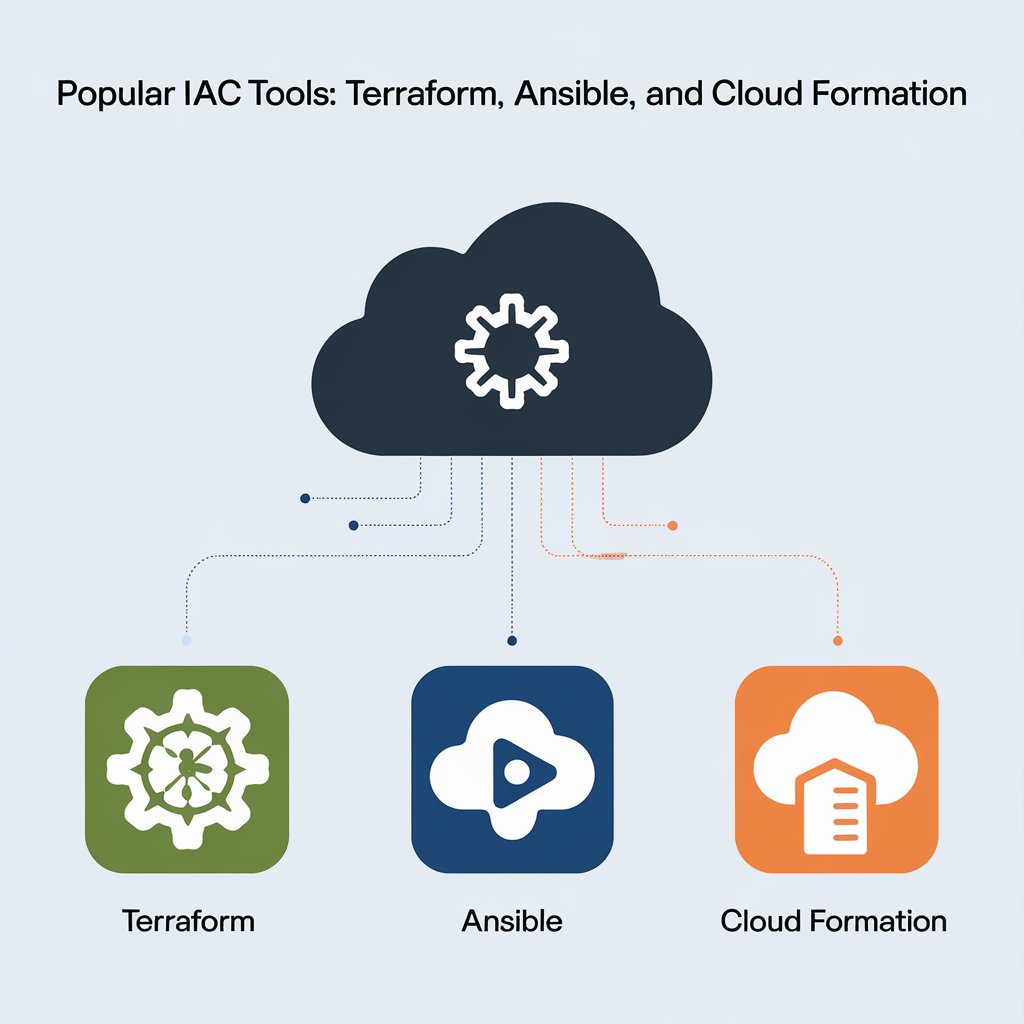
In today's fast-paced digital landscape, organizations are increasingly turning to Infrastructure as Code (IaC) to streamline their operations and enhance efficiency. IaC allows teams to manage and provision infrastructure through code rather than manual processes, which significantly reduces the risk of human error and accelerates deployment times. As cloud computing continues to gain traction, the need for effective IaC tools has never been more critical. This article explores three of the most popular IaC tools—Terraform, Ansible, and CloudFormation—highlighting their unique features, advantages, and use cases. Whether you are an IT professional looking to optimize your infrastructure management or a student considering a Cloud Computing Course in Hyderabad, understanding these tools is essential for navigating the modern cloud landscape.
Understanding Infrastructure as Code (IaC)
Infrastructure as Code is a key practice in DevOps that involves managing infrastructure through machine-readable definition files rather than physical hardware configuration or interactive configuration tools. This approach allows teams to automate the setup and management of their infrastructure, ensuring consistency and repeatability.
Benefits of IaC: The primary benefits of IaC include improved efficiency, reduced costs, and enhanced collaboration between development and operations teams. By treating infrastructure as code, teams can version control their configurations, enabling easier tracking of changes and facilitating collaboration. Core Principles: IaC operates on several core principles, including idempotency (ensuring that repeated executions yield the same result), declarative syntax (defining what the end state should look like), and automation (eliminating manual intervention). These principles help streamline workflows and reduce the complexity associated with traditional infrastructure management.
Terraform: The Versatile Contender
Terraform is an open-source IaC tool developed by HashiCorp that allows users to define and provision data center infrastructure using a high-level configuration language known as HashiCorp Configuration Language (HCL). Its versatility makes it a popular choice among organizations looking to manage multi-cloud environments.
Key Features: Terraform supports a wide array of cloud providers, including AWS, Azure, Google Cloud Platform, and many others. Its modular architecture allows users to create reusable components called modules, which can simplify complex configurations. Additionally, Terraform's state management feature keeps track of resource changes over time, ensuring that infrastructure is always in sync with the desired configuration. Use Cases: Terraform is particularly well-suited for organizations that operate in multi-cloud environments or require complex infrastructure setups. Its ability to manage resources across different providers makes it an excellent choice for businesses looking to avoid vendor lock-in while maintaining flexibility.
Ansible: The Automation Powerhouse
Ansible is another popular open-source automation tool that excels in configuration management and application deployment. Unlike Terraform, which focuses primarily on provisioning infrastructure, Ansible provides a broader range of automation capabilities. Key Features: Ansible uses a simple YAML syntax for its playbooks, making it easy for teams to define automation tasks without extensive programming knowledge. It operates on an agentless architecture, meaning it does not require any software installation on target machines—an advantage for organizations looking to minimize overhead.
Use Cases: Ansible is ideal for automating repetitive tasks such as software installation, configuration updates, and system monitoring. Its strong integration with various cloud services makes it suitable for both cloud-based and on-premises environments.
CloudFormation: AWS's Native Solution
AWS CloudFormation is Amazon's native IaC tool designed specifically for managing AWS resources through templates written in JSON or YAML format. It provides a powerful way to create and manage AWS infrastructure using code. Key Features: CloudFormation allows users to define entire stacks of AWS resources in a single template file. This capability simplifies resource management by enabling users to create, update, or delete resources collectively rather than individually. Additionally, CloudFormation integrates seamlessly with other AWS services, providing a cohesive experience for AWS users. Use Cases: CloudFormation is particularly beneficial for organizations heavily invested in the AWS ecosystem. It is ideal for automating the deployment of complex applications that rely on multiple AWS services while ensuring consistency across environments.
Comparative Analysis: Choosing the Right Tool
When selecting an IaC tool for your organization, several factors should be considered: Feature Terraform Ansible CloudFormation Language HCL YAML JSON/YAML Agent Requirement No No No Multi-Cloud Support Yes Yes No (AWS only) State Management Yes No Yes Learning Curve Moderate Easy Moderate Each tool has its strengths and weaknesses; thus, the choice depends on your organization's specific needs: Choose Terraform if you require multi-cloud support and modular configurations. Opt for Ansible if you need a versatile automation tool that excels in configuration management. Select CloudFormation if your organization primarily operates within the AWS ecosystem.
Best Practices for Implementing IaC
To maximize the benefits of IaC tools like Terraform, Ansible, and CloudFormation, organizations should adhere to several best practices: Version Control: Store your IaC templates in version control systems like Git to track changes over time and facilitate collaboration among team members. Modular Design: Break down complex configurations into smaller modules or components that can be reused across different projects—this promotes consistency and simplifies maintenance.
Testing: Implement testing practices to validate your IaC configurations before deploying them in production environments. Tools like terratest can help automate this process for Terraform users.
Documentation: Maintain comprehensive documentation of your IaC templates and processes to ensure that team members can easily understand and contribute to the configurations.
Continuous Integration/Continuous Deployment (CI/CD): Integrate your IaC practices into CI/CD pipelines to automate testing and deployment processes further—this ensures that infrastructure changes are deployed consistently alongside application updates. By following these best practices, organizations can enhance their infrastructure management capabilities while minimizing risks associated with manual processes.
Conclusion: The Future of Infrastructure Management
As organizations continue to embrace cloud computing and DevOps practices, Infrastructure as Code will play an increasingly vital role in streamlining operations and enhancing efficiency. Tools like Terraform, Ansible, and CloudFormation provide powerful solutions for managing infrastructure through code—each with its unique strengths tailored to different use cases.
For those interested in gaining deeper insights into cloud technologies alongside these practices, enrolling in a Cloud Computing Course in Hyderabad can provide valuable knowledge about effective cloud strategies and tools essential for modern IT environments. In conclusion, adopting effective IaC practices will not only improve operational efficiency but also empower organizations to respond quickly to changing business needs while maintaining high standards of quality in their infrastructure management efforts.



Cloud computing is a remote service that takes the form of infrastructure, software, storage, platforms, and a host of others.
It refers to the delivery of processing in a type of service and not as a product.
Today, cloud computing meant a new model for IT services delivery consumption.Visit: https://www.slideserve.com/businessictpartner/all-about-cloud-computing-services-and-its-types-powerpoint-ppt-presentation