


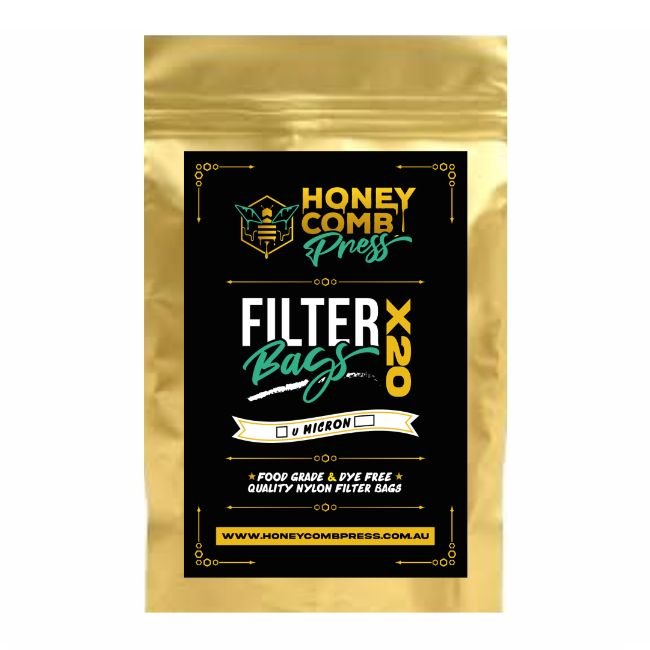
In order to successfully filter out solid particles, pollutants, or impurities from liquids or gases, filter bags are essential components of the filtering process. Depending on the type of material being filtered, its design—which is usually cylindrical and made of polyester, polypropylene, and nylon, among other materials—can accommodate a wide range of filtering requirements.
The Proper Selection of Bag Filter Media for Industrial Use
Selecting the right filter bag necessitates a thorough assessment of several aspects. Every one of these components is essential to guaranteeing that the filter bag's performance meets the requirements of the application.
• Particle Size of Solids to Be Separated: A filter bag's micron rating has a significant impact on how well it captures solid particles. The clarity and purity of the substance that has been filtered are affected by the filters' capacity to retain particles of particular sizes, which is indicated by nominal and absolute ratings. Bubble point tests cannot be used to assess the integrity of these bags, even if an absolute rating can be assigned with a suitable safety margin. Tests limited to particle challenges are applicable.
• Flow Rate: The amount of liquid passing through the filter bags is influenced by the thickness of the material and the size of the filter's surface area. To avoid process bottlenecks, the filter bag you choose must provide a sufficient flow rate.
• Pressure: The maximum operating pressures that filter bags are intended to endure are specified. The bag filter may become damaged if these pressures are exceeded, hence routine maintenance and observation are required to guarantee optimum operation. The bag has to be replaced after it is ripped.
• Process circumstances: To guarantee compliance with the demands of the application, the selection of filter bags must also take into account the particular process circumstances, such as temperature resistance and pressure requirements.
• Types of Filter Media and Housing: Effective filtering is ensured across a variety of sectors by the material composition of filter bags and the design of filter housings, which are customized to meet a wide range of applications, from chemical processing to water treatment.

Selecting Nylon for a Rosin Bag Instead of Polyester
Let us be clear: We are not against polyester bags, lest any advocates of the material get out their pitchforks. All of the rosin filter bags in our initial series were made of polyester, and they functioned well. Throughout the process of creating our new 2x4 rosin bags, there was constant discussion about sticking with polyester. Although developing a polyester alternative is undoubtedly still an option given the FDA's specifications, became evident from consumer feedback that a nylon option was in great demand. Nylon has advantages over other materials in our opinion. There are compromises with both materials, too, and we thoroughly examined them both.
The Components of an Excellent Rosin Filter Bag
A filtering bag that offers longevity and dependability without breaking the budget should be available to rosin producers. That's exactly what our newest rosin bag will give you. Because of its FDA food-grade quality, flexibility, and durability, every rosin bag can comfortably accommodate any size pressing while meeting all of its requirements. You won't want to return to the competition once you have your hands on these 2x4 rosin bags.
When stretched to its utmost, your material should have a bag that won't split at the seams. You can do that, as well as have the ability to take on even more, with our FDA food grade filtering bags.
Conclusion
Bag filters are essential parts of the filtering process that provide a flexible and effective way to remove impurities from gases and liquids. To achieve maximum filtering performance and satisfy the demanding needs of diverse industrial applications, filter bag materials, kinds, and specifications must be carefully chosen. As technology develops, filter bag designs and materials continue to evolve, improving their effectiveness and suitability and reaffirming their place as essential components of effective and clean filtering systems.


Low-density PE bags are moisture-permeable, The air permeability is larger, and the high-density PE bag is smaller.
The advantages of PE bags are economy, cheapness, and good moisture resistance.
It is best to use polyethylene bags to add a layer of external packaging that can block light and have low air permeability, such as synthetic paper cans, iron cans, etc.
In the early days, they were mainly used for the outer packaging of tea bags with PE bags .
Synthetic paper cans Synthetic paper cans are currently the most widely used packaging materials.
Only air and moisture permeability are still high, and it is not suitable to be used alone.
