Table of Contents
- Introduction to Multi-Factor Authentication
- How MFA Works: The Mechanisms Behind Security
- The Importance of MFA in Today’s Digital Landscape
- Benefits of Implementing MFA
- Challenges and Potential Drawbacks of MFA
- Best Practices for Effective MFA Implementation
- Future Trends in Multi-Factor Authentication
- Conclusion: Embracing MFA for Enhanced Security
Introduction to Multi-Factor Authentication
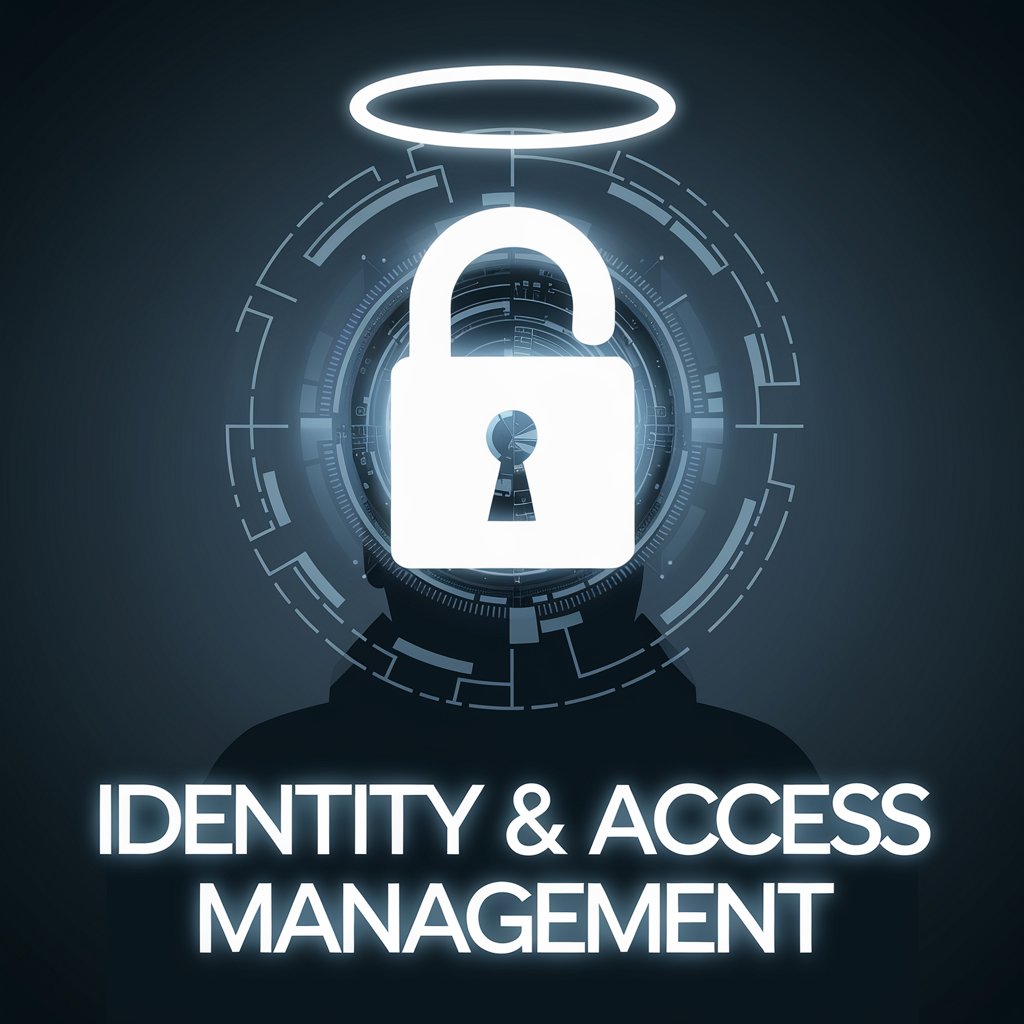
In an age where cyber threats are increasingly sophisticated, protecting sensitive information is more crucial than ever. Multi-Factor Authentication (MFA) has emerged as a powerful tool in the arsenal of cybersecurity measures designed to safeguard user accounts and sensitive data. Unlike traditional authentication methods that rely solely on passwords, MFA requires users to provide two or more verification factors before granting access to systems or applications.
MFA enhances security by adding layers of protection, making it significantly harder for unauthorized users to gain access, even if they have compromised a password. This approach not only bolsters security but also fosters trust among users who are increasingly concerned about data breaches and identity theft. For those interested in mastering the intricacies of cybersecurity, enrolling in a Cyber Security Course in Chennai can provide essential insights into the principles and practices surrounding MFA.
How MFA Works: The Mechanisms Behind Security
Understanding how Multi-Factor Authentication functions is key to appreciating its importance in modern security protocols. MFA typically involves three categories of authentication factors:
Something You Know: This is usually a password or PIN that the user must enter. While passwords are common, they are also vulnerable to various attacks such as phishing and brute force.
Something You Have: This factor involves physical devices that the user possesses, such as smartphones, hardware tokens, or smart cards. For example, after entering a password, a user may be required to enter a code sent to their mobile device. Something You Are: This encompasses biometric verification methods such as fingerprints, facial recognition, or iris scans. Biometric factors are unique to individuals and provide an additional layer of security that is difficult for attackers to replicate. By requiring multiple forms of verification from different categories, MFA significantly reduces the likelihood of unauthorized access. Even if an attacker manages to obtain a user's password, they would still need the additional authentication factors to gain entry.
The Importance of MFA in Today’s Digital Landscape
As organizations increasingly digitize their operations and store sensitive data online, the importance of implementing Multi-Factor Authentication cannot be overstated: Protection Against Data Breaches: With cyberattacks on the rise, MFA serves as a critical line of defense against unauthorized access to sensitive information. According to studies, implementing MFA can prevent up to 99% of account compromise attacks, making it an essential component of any security strategy.
Regulatory Compliance: Many industries are subject to strict regulations regarding data protection and privacy, such as GDPR (General Data Protection Regulation) and HIPAA (Health Insurance Portability and Accountability Act). Implementing MFA can help organizations meet these compliance requirements while avoiding potential fines and legal repercussions.
User Confidence: As consumers become more aware of cybersecurity threats, they seek assurance that their personal information is protected. By adopting MFA, organizations demonstrate their commitment to safeguarding user data, fostering trust and loyalty among customers. Mitigating Insider Threats: Not all threats come from external sources; insider threats can also pose significant risks. MFA helps ensure that even authorized users must verify their identity through multiple factors before accessing sensitive information.
By understanding the importance of MFA in today’s digital landscape, organizations can prioritize its implementation as part of their overall cybersecurity strategy.
Benefits of Implementing MFA
The advantages of adopting Multi-Factor Authentication extend beyond enhanced security: Reduced Risk of Account Takeover: By requiring multiple forms of verification, MFA significantly lowers the risk associated with stolen passwords or compromised accounts. Even if a password is leaked or guessed, attackers would still face barriers in accessing accounts. Enhanced Access Control: Organizations can implement granular access controls based on user roles and responsibilities while ensuring that only authorized personnel have access to sensitive information—this is particularly beneficial when dealing with third-party vendors or contractors. Improved Incident Response: With real-time alerts triggered by suspicious login attempts or unauthorized access attempts—MFA allows organizations to respond quickly and effectively before any damage occurs.
Cost-Effective Security Solution: While implementing MFA may require initial investment in tools or training—its long-term benefits far outweigh these costs by preventing potentially devastating data breaches that could lead to significant financial losses. These benefits illustrate how adopting Multi-Factor Authentication can lead not only to improved security but also enhanced operational efficiency within organizations.
Challenges and Potential Drawbacks of MFA
Despite its many advantages, implementing Multi-Factor Authentication does come with challenges: User Resistance: Some users may find the additional steps involved in MFA cumbersome or inconvenient—leading them to resist adopting new authentication processes altogether. Implementation Complexity: Integrating MFA solutions into existing systems can be complex—especially if legacy applications are involved or if multiple platforms need compatibility across various environments.
Potential for Frustration: If not implemented correctly—MFA can lead to frustration among users who may encounter difficulties during login processes; this could result in decreased productivity or increased support requests from frustrated employees. Cost Considerations: While many organizations view MFA as a cost-effective solution over time—initial implementation costs for tools and training may pose challenges for smaller businesses with limited budgets.
By recognizing these challenges early on—organizations can develop strategies for overcoming resistance while ensuring smooth integration into their existing workflows!
Best Practices for Effective MFA Implementation
To maximize the effectiveness of Multi-Factor Authentication—organizations should consider implementing several best practices: Choose Appropriate Methods: Select authentication methods that align with your organization’s needs while considering user convenience; biometric options like fingerprint scanning may offer strong security without adding friction during logins!
Educate Users on Benefits: Conduct training sessions aimed at helping employees understand why adopting multi-factor authentication is essential; emphasizing its role in protecting both organizational assets and personal information fosters buy-in from users! Regularly Review Access Rights: Periodically assess user access rights across systems; this ensures compliance with established policies while identifying any over-privileged accounts that may pose security risks!
Monitor User Activity: Implement monitoring solutions capable of tracking user behavior across networks; this enables rapid identification of suspicious activity while providing insights into how employees interact with sensitive information over time! Test Your Implementation Regularly: Conduct penetration testing exercises aimed at evaluating the effectiveness of your multi-factor authentication implementation; identify vulnerabilities early on so you can address them proactively! By adhering strictly to these best practices—organizations can create robust frameworks for safeguarding sensitive information through effective use of modern-day cryptography!
Future Trends in Multi-Factor Authentication
As technology continues evolving rapidly alongside advancements within cybersecurity—several trends are poised to shape the future landscape surrounding multi-factor authentication:
Biometric Advancements: As biometric technologies become more sophisticated—organizations will increasingly adopt fingerprint scanning or facial recognition as reliable forms of authentication; these methods offer convenience without compromising security! Passwordless Solutions: The push towards eliminating passwords altogether will gain momentum; solutions leveraging one-time codes sent via SMS/email or push notifications will simplify login processes while enhancing overall security!
Integration with AI/ML Technologies: Artificial intelligence (AI) and machine learning (ML) will play increasingly significant roles in enhancing existing MFA methods by automating threat detection processes—improving overall efficiency across various sectors! Greater Emphasis on User Experience: As organizations strive for seamless login experiences—user-friendly designs will take precedence over traditional methods; intuitive interfaces combined with effective multi-factor solutions will help streamline access without sacrificing security! These trends indicate an exciting future where advancements within technology continue driving innovation while addressing critical challenges inherent within this rapidly evolving field!
Conclusion: Embracing MFA for Enhanced Security
In today’s digital age—data protection has become paramount! Adopting strong multi-factor authentication practices not only enhances organizational resilience against cyber threats but also fosters trust among customers while ensuring compliance with regulatory standards! For those interested in mastering these essential skills further—enrolling in a comprehensive Cyber Security Course in Chennai provides invaluable training tailored specifically toward understanding how best practices apply within this dynamic field!
In summary—embracing effective strategies around safeguarding sensitive information through robust multi-factor authentication empowers organizations not only with actionable insights but also fosters innovation leading toward sustainable growth across diverse sectors! As we move forward into an increasingly interconnected world driven by technology—the importance placed upon leveraging quality insights derived from secure datasets will only continue growing!