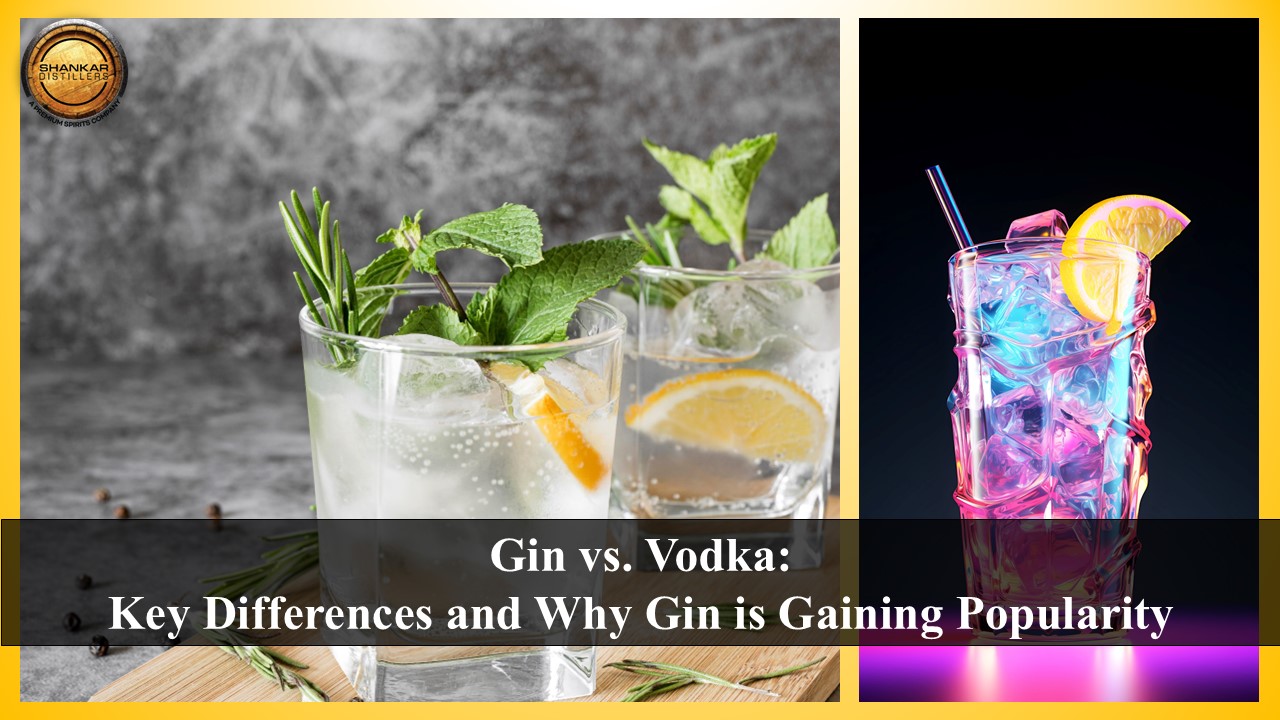
In the world of spirits, gin and vodka have long held their positions as two of the most popular distilled beverages. While both are clear, colorless spirits, their differences go far beyond appearances. Vodka is celebrated for its neutrality, while gin is known for its bold, botanical character. These distinct qualities are not just a matter of taste but are rooted in the production processes and ingredients used for each. As the premium spirits market continues to evolve, gin is witnessing a resurgence, particularly in regions that are historically dominated by vodka. This trend is also notable among Whiskey Distillers in the USA, who are expanding their portfolios to include high-quality gins.
Distillation Processes: Neutral vs. Botanical
Vodka is often defined by its neutrality. Made from grains, potatoes, or even fruits, vodka undergoes multiple distillations and filtrations to remove impurities and flavors, resulting in a clean, neutral spirit. Its smooth, almost flavorless profile allows it to be a versatile base for cocktails. The primary focus in vodka production is achieving a high level of purity, with some premium vodkas emphasizing the use of ultra-pure water and specific filtration techniques, like charcoal or even diamond dust filters.
Gin, on the other hand, has a more complex and distinctive flavor profile, primarily due to its use of botanicals. While gin begins with a neutral grain spirit, its defining characteristic is the infusion of juniper berries, along with other herbs, spices, and citrus elements. The distillation process includes steeping or vapor-infusing these botanicals into the base spirit, resulting in a vibrant, aromatic flavor. Gins vary widely in taste depending on the combination of botanicals used, which gives them a more diverse and adventurous appeal.
Flavor Profiles: Clean vs. Complex
Vodka’s neutral taste makes it adaptable to various cocktail styles. Its role in drinks like the Bloody Mary or Moscow Mule highlights its ability to blend seamlessly without overpowering other ingredients. This clean and smooth characteristic has made vodka a top choice for mixologists and casual drinkers alike, especially those seeking a spirit that can be masked or enhanced by other flavors.
Gin, however, offers a more complex and layered drinking experience. The botanical notes, particularly the juniper, give gin its signature flavor, with many variations based on the choice of additional ingredients like coriander, angelica root, or citrus peels. The rise of artisanal gins, such as Dasara Gin from Shankar Distillers, showcases how distillers are experimenting with new botanical combinations, creating a range of flavors from floral and fruity to spicy and earthy. This diversity makes gin a more adventurous choice for both purists and cocktail enthusiasts who appreciate its unique depth.
Why Gin is Gaining Global Popularity
Gin’s current resurgence can be attributed to several factors. First, there is a growing consumer interest in craft and artisanal spirits. As with whiskey, gin is benefiting from the shift toward high-quality, small-batch production. Distillers are experimenting with new botanical blends, offering unique flavors and limited-edition releases that appeal to the growing number of premium spirit enthusiasts.
Another key factor is gin’s versatility in cocktails. Classic gin cocktails like the Gin & Tonic and the Martini are seeing a revival, while innovative new gin-based cocktails are gaining traction in bars across the globe. This renaissance is being driven by the desire for more flavor-driven spirits, with gin offering a spectrum of taste profiles that vodka simply cannot match.
Additionally, the rising demand for local, sustainable ingredients has propelled gin into the spotlight. Many distillers are sourcing botanicals from their local regions, adding a sense of place and authenticity to their products. This localization trend parallels the movement seen in whiskey, where distillers emphasize regional ingredients and water sources to create unique flavor profiles. Even in markets typically dominated by whiskey, such as the United States, gin is gaining ground among producers like Shankar Distillers - Premium Whiskey Distillers, who are broadening their portfolios to include craft gins like Dasara Gin.
Conclusion
While vodka’s neutrality ensures its enduring
popularity, gin’s complexity and versatility have fueled its recent rise in the premium spirits market. The increasing demand for artisanal, flavor-rich spirits, combined with the craft movement’s influence on global drinking habits, has positioned gin as a spirit to watch. From its bold botanicals to its unique regional variations, gin offers a dynamic alternative to vodka, appealing to both seasoned drinkers and those new to the world of craft spirits.
Useful Links


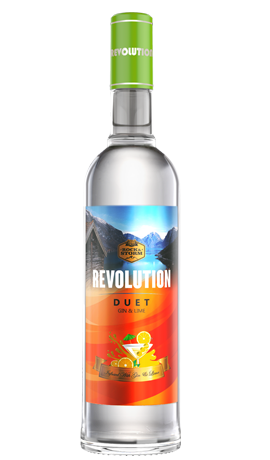
The Most Usual Production Method For Best Gin and Lime in Delhi , Such As Juniper, Coriander, Citrus Peel, Cinnamon, Almond Or Liquorice With Neutral Grain Alcohol.
Making Gin Is Like Flavoring Vodka, Except That Botanicals Are Always Natural.