Introduction
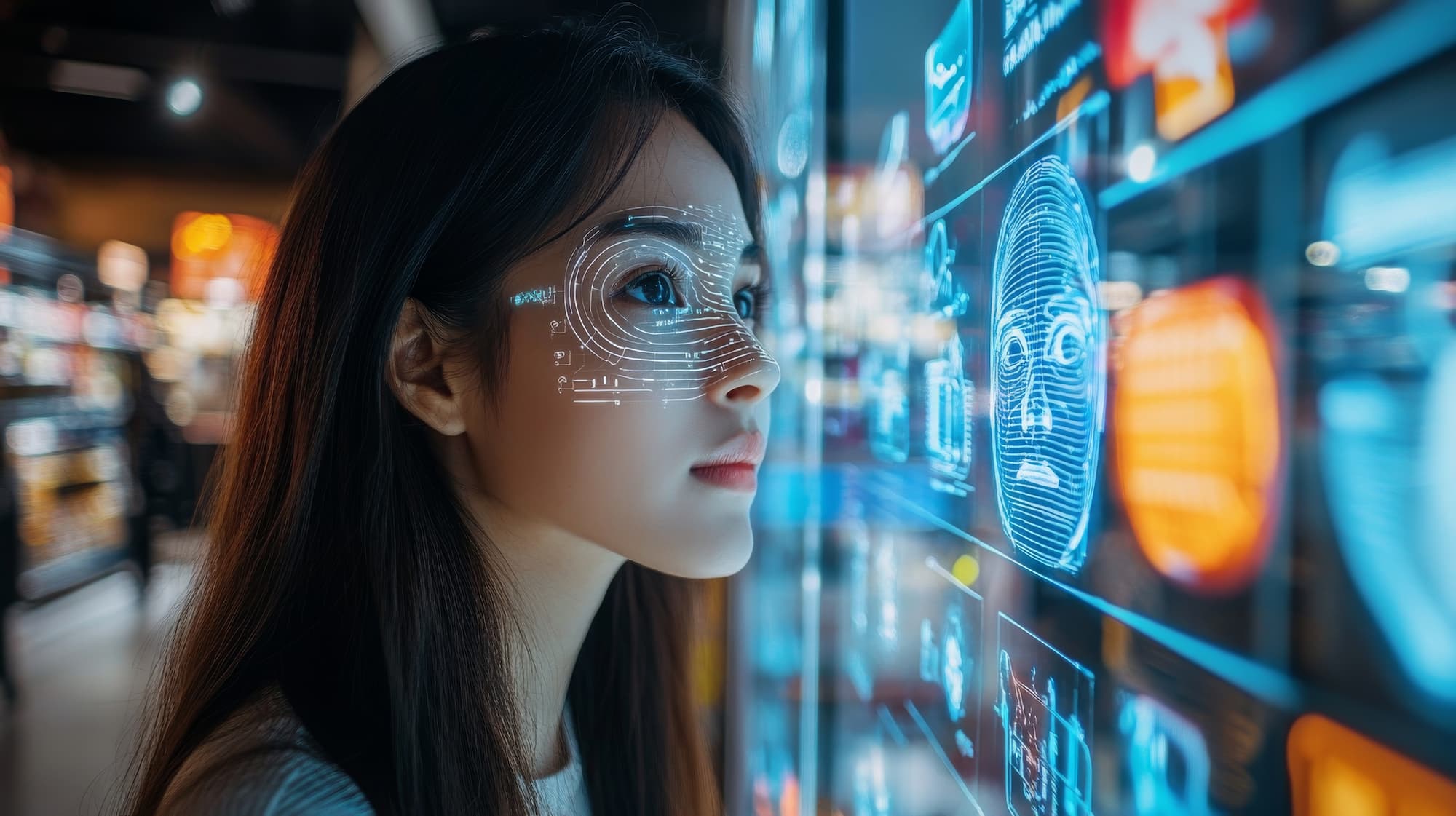
Embedded cameras have become a crucial part of AI-powered facial recognition systems in the era of quickly evolving technology. These little gadgets improve the speed and precision of real-time person identification with applications in retail, healthcare, security, and more. Businesses and organizations hoping to use facial recognition technology for a variety of purposes must comprehend the importance of embedded cameras as the need for reliable surveillance solutions grows.
The Role of Embedded Cameras in AI-Powered Systems
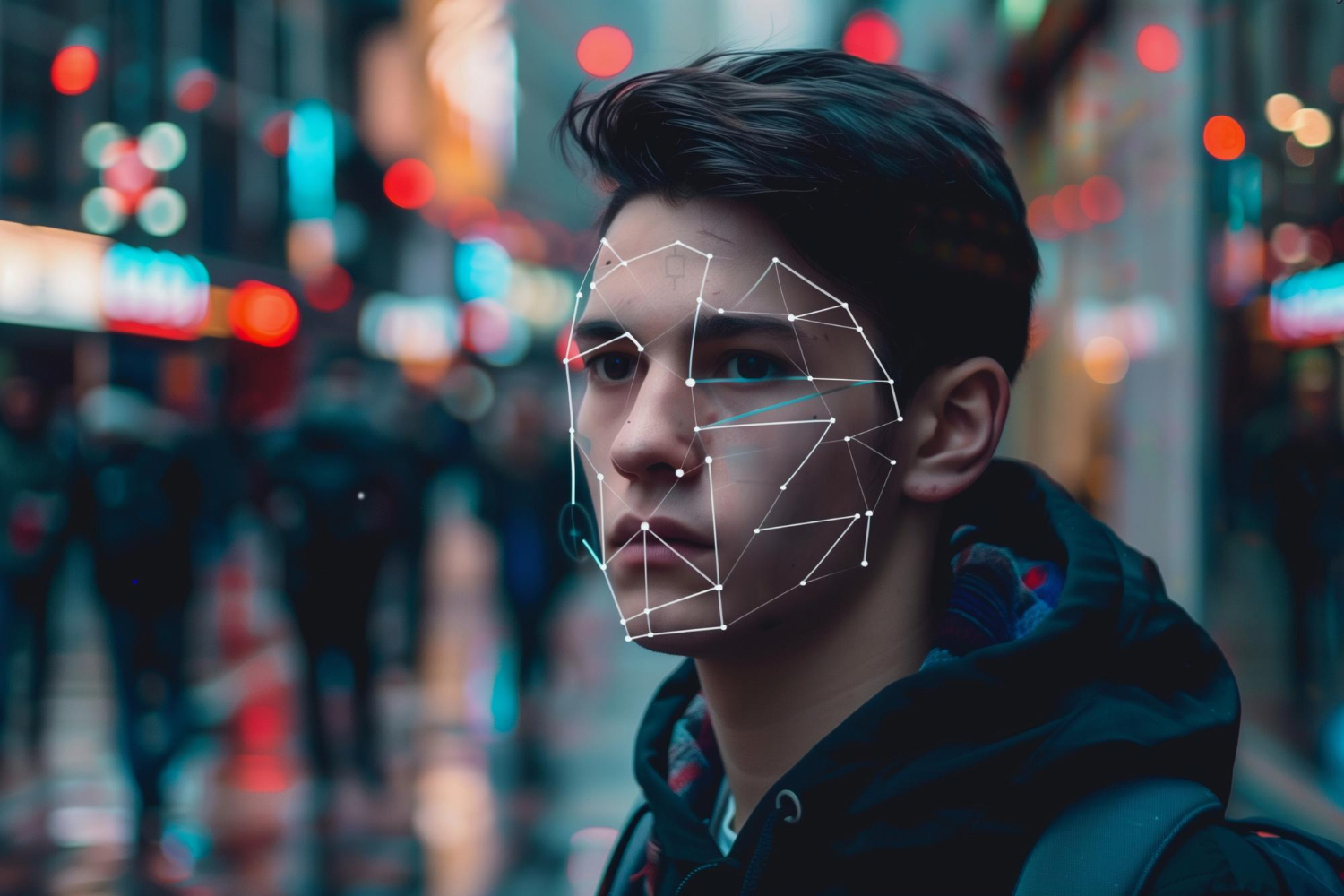
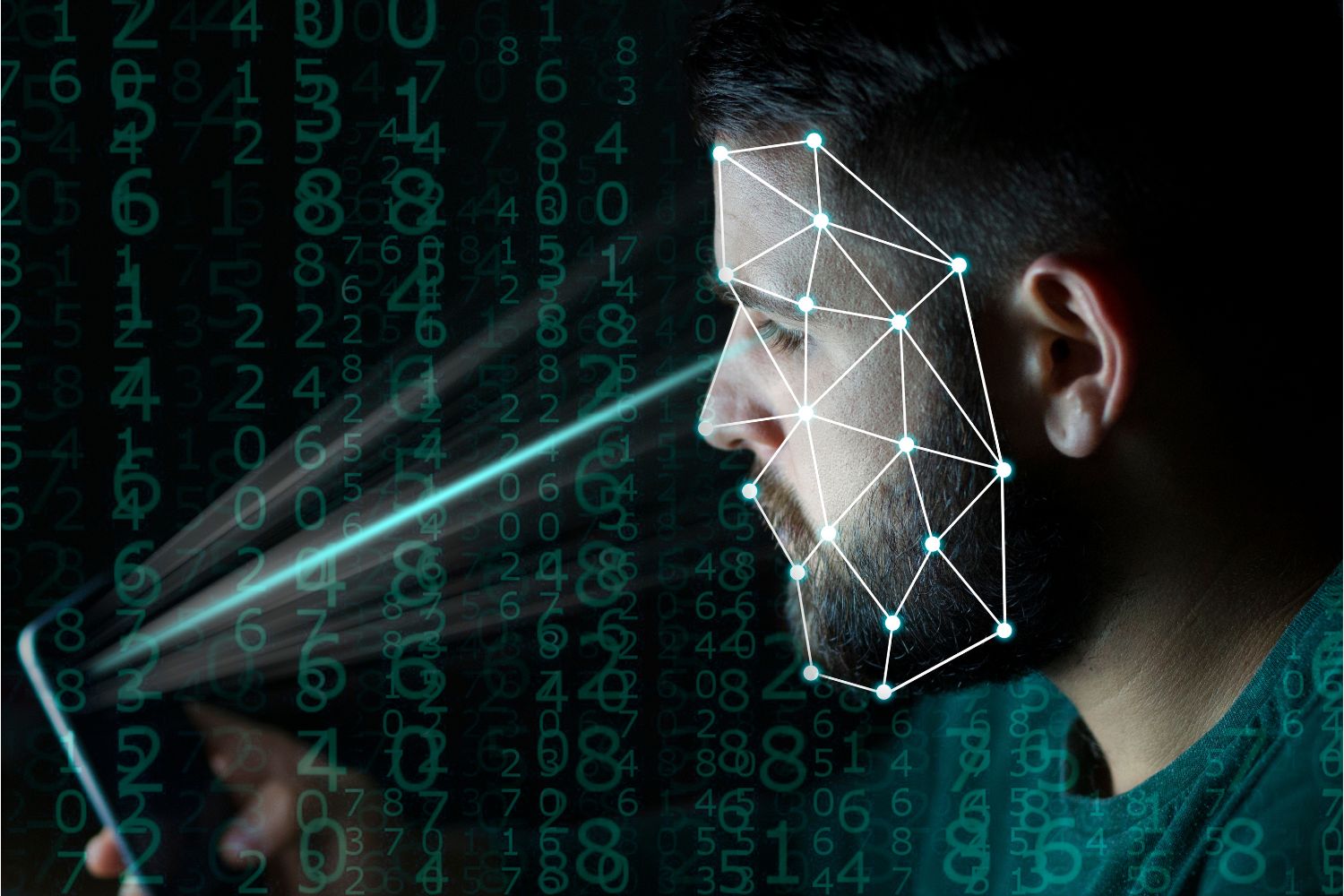
Embedded cameras serve as the eyes of AI-powered facial recognition systems. Their small form factor allows them to be integrated seamlessly into various devices, from security cameras to kiosks and smartphones. These cameras capture high-quality images and videos, providing the data necessary for facial recognition algorithms to analyze and identify individuals accurately.
Key features of embedded cameras
Image Quality: Embedded cameras often boast high resolution and advanced sensor technologies that enhance image clarity, ensuring accurate recognition even in low-light conditions.
Compact Design: The compact nature of embedded cameras allows for easy integration into diverse applications without taking up significant space or requiring extensive modifications to existing infrastructure.
Connectivity Options: Many embedded cameras offer versatile connectivity options, including USB and wireless protocols, enabling seamless data transfer to AI systems for real-time analysis.
Advantages of AI-Powered Facial Recognition
Integrating embedded cameras into facial recognition systems offers numerous benefits across various sectors.
Enhanced Security Measures
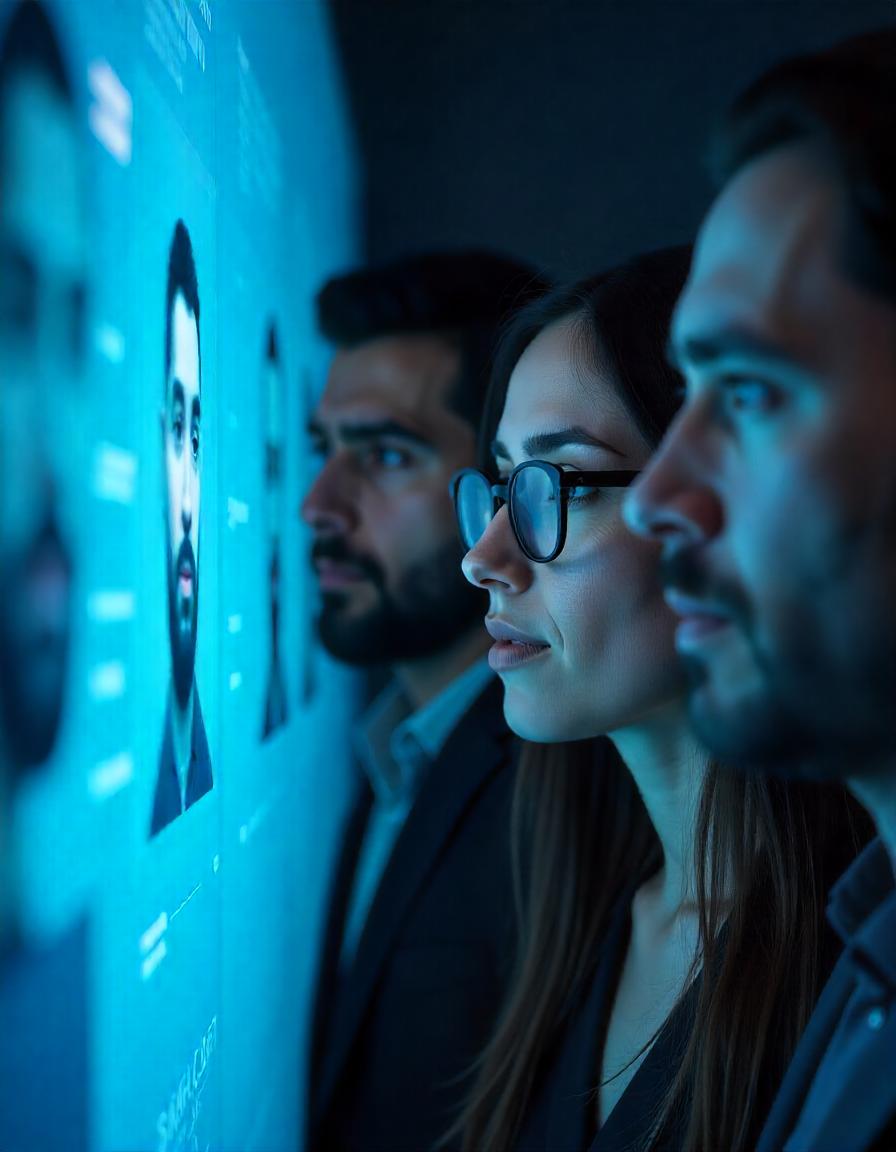
In security applications, embedded cameras provide an effective means of monitoring and identifying individuals in sensitive areas. With AI algorithms processing the captured footage, businesses can enhance their security protocols, ensuring swift identification of potential threats.
Improved User Experience in Retail
In retail environments, embedded cameras can facilitate personalized shopping experiences through facial recognition. By identifying returning customers, businesses can tailor promotions and recommendations based on previous interactions, enhancing customer satisfaction and loyalty.
Streamlined Healthcare Operations
In healthcare, embedded cameras can play a critical role in patient identification, reducing the risk of errors in medical records and treatment plans. AI-powered systems can verify patient identities quickly, ensuring that healthcare providers deliver the correct treatments to the right individuals.
Future trends in embedded camera technology
As technology continues to evolve, the capabilities of embedded cameras are set to expand further, particularly in the realm of facial recognition. Emerging trends in this field include:
Integration with IoT Devices
The proliferation of Internet of Things (IoT) devices is leading to innovative uses for embedded cameras in various applications. By connecting embedded cameras to IoT networks, businesses can gather data from multiple sources, enhancing the effectiveness of facial recognition systems and providing deeper insights into consumer behavior.
Advancements in machine learning algorithms
Ongoing improvements in machine learning algorithms will further enhance the accuracy and speed of facial recognition systems powered by embedded cameras. As these algorithms become more sophisticated, they will be able to handle diverse environmental conditions and variations in appearance, making facial recognition more reliable than ever.
Privacy and Ethical Considerations
As embedded cameras become more prevalent in public and private spaces, addressing privacy concerns is crucial. Future developments will likely focus on balancing effective surveillance with respect for individuals' privacy rights, leading to the adoption of ethical standards and regulations governing facial recognition technologies.
Transitioning to AI-Enhanced Access Control Systems
As we delve deeper into the capabilities of embedded cameras, it’s important to explore their integration into AI-enhanced access control systems. These systems leverage the power of facial recognition technology to improve security and convenience for businesses and organizations. By utilizing embedded cameras, access control solutions can streamline entry processes, ensuring that only authorized individuals gain access to secure areas while providing a seamless user experience.