Bridging Research Commercialization!
The field of advanced semiconductor and materials science is reforming modern technology, driving significant advancements in various applications such as electronics, energy conversion, and medical devices. This industry is focused on developing new materials and technologies that enhance the efficiency and functionality of electronic devices, making them more powerful, flexible, and efficient. Innovations in this field are crucial for the progress of wearable technology, medical diagnostics, and sustainable energy solutions, which are vital in improving everyday life and specialized applications.
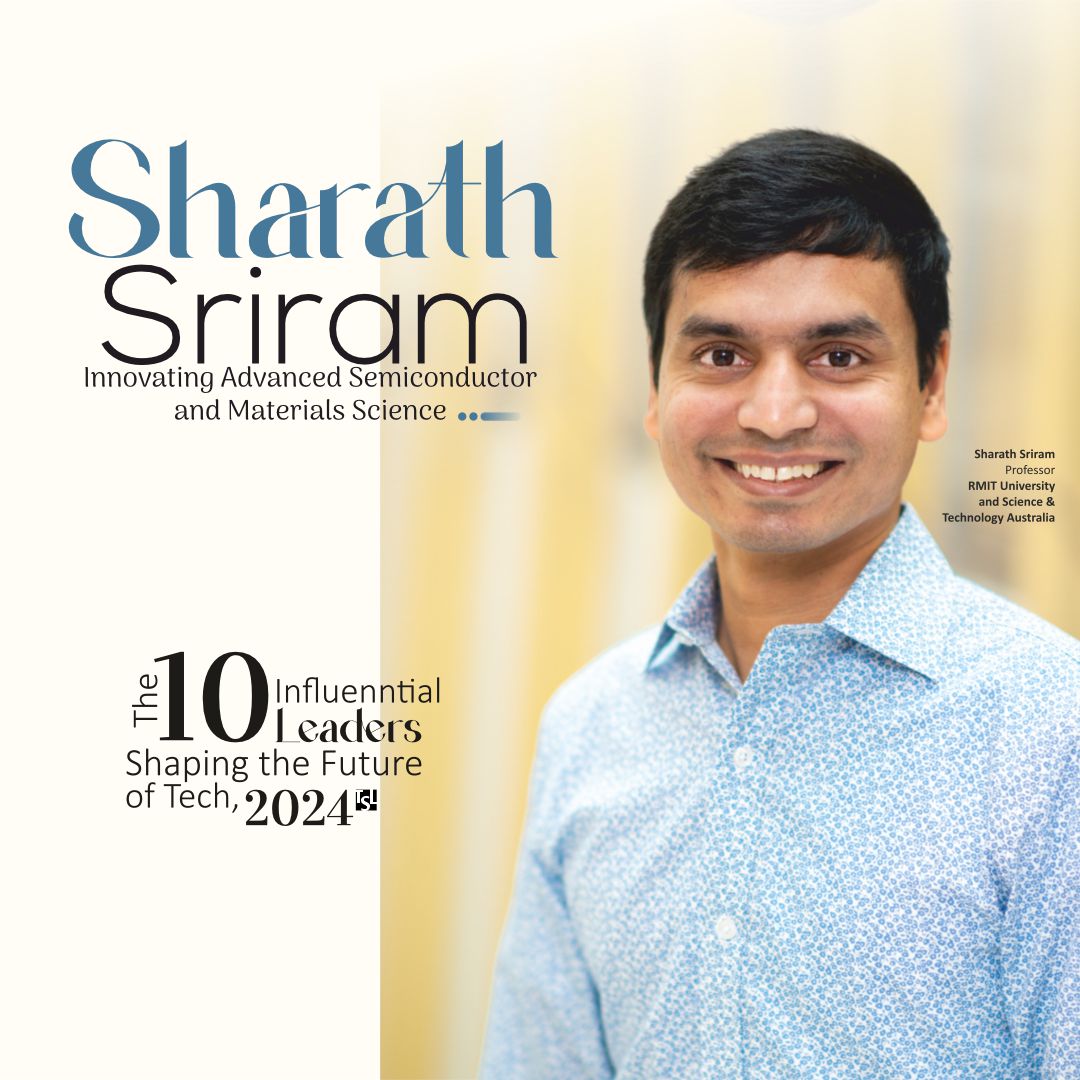
Sharath Sriram, a Professor renowned for his contributions to this innovative field, is leading the charge of these innovations. With a passion for technology that began in his early studies in India, Sharath pursued advanced education in semiconductor chip design and fabrication in Melbourne, Australia. His academic journey led him to a PhD focused on creating materials that efficiently convert pressure into electrical energy, driven by a fundamental goal of enhancing lives through technology. This vision has guided his extensive research into new materials, electronic designs, and sensing technologies to improve healthcare and quality of life.
RMIT University and Science & Technology Australia have been crucial platforms for Sharath’s groundbreaking work. At this institution, he has developed a robust portfolio of flexible electronics, conductometric biosensors, and innovative manufacturing techniques. His work focuses on wearables and point-of-care diagnostics, ensuring these groundbreaking technologies are scalable and manufacturable. Through close collaboration with industry partners, Sharath has successfully bridged the gap between cutting-edge research and practical applications, making significant strides in the field of advanced semiconductor and materials science.
Let’s explore Sharath’s strategic leadership approach to technological transformations:
Exploring New Materials for Efficient Energy Conversion
Sharath found technology intriguing, and the opportunities to make lives better—not just easier—were very motivating. He grew up and did his early studies in India at a time when everyone was going into information technology roles. He was keen to make and design the electronics that run the code they write, as he felt that would be vital and transformational.
In Melbourne, Australia, a unique postgraduate program in semiconductor chip design and fabrication attracted him. Through the program, the opportunity to work in a cleanroom and make devices, deposit materials, and go down to the atomic scale to change the material properties and device functions got him hooked.
Based on his fundamental value of making lives better using technology, he pursued a PhD in creating materials that are the most efficient at converting pressure into electrical energy. The vision was to gather energy from blood pressure variations to power implantable electronics and sensors.
That has been the foundation of exploring new materials, electronic designs, and sensing technologies that help understand the human body better, aid better living and aging, and develop personalized medical technologies with a focus on prevention.
Innovation in Wearables and Point-of-Care Diagnostics
Medical devices encompass a vast range, from the smallest device to the largest instrument, and from those within our bodies to those around us (and those we rarely interact with). Defining areas of focus based on their expertise was the first key challenge.
Based on their electronics and semiconductor expertise, they developed a strong portfolio of devices and patents in stretchable and flexible electronics, semiconductor-based conductometric biosensors, and bespoke manufacturing techniques. Their focus is on wearables and point-of-care diagnostics (in vitro diagnostics).
The other challenge is to ensure everything developed can scale to manufacturing. They worked closely with many manufacturing partners to understand processes they would readily adopt, and they designed their infrastructure on that basis.
Know More About Sharath Sriram @ https://thesiliconleaders.com/sharath-sriram-innovating-advanced-semiconductor-and-materials-science/