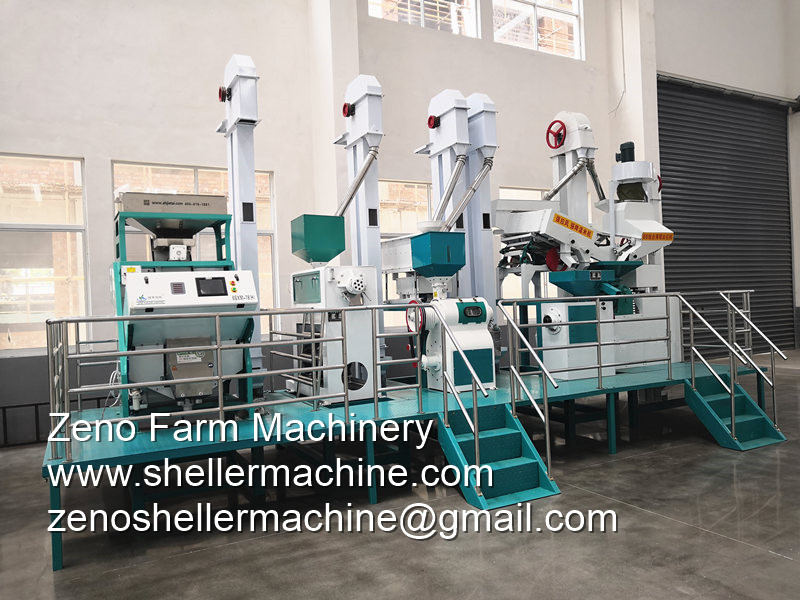


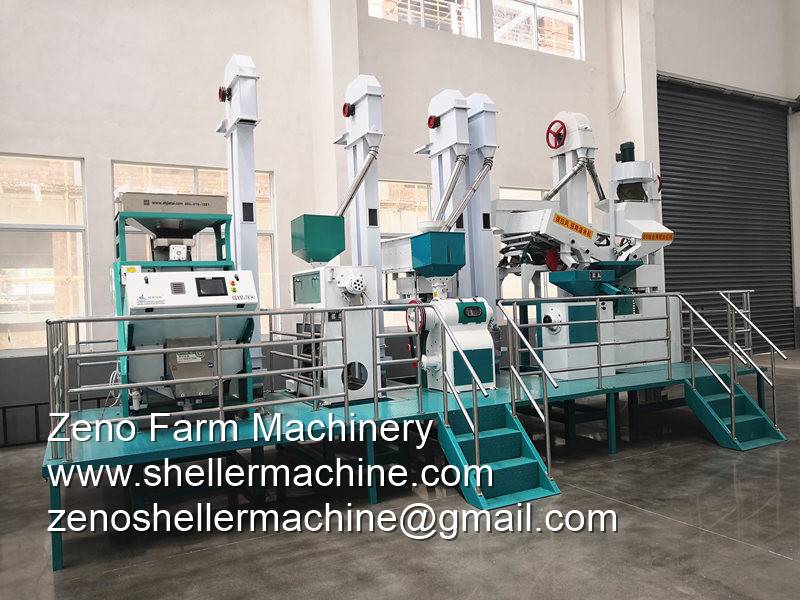
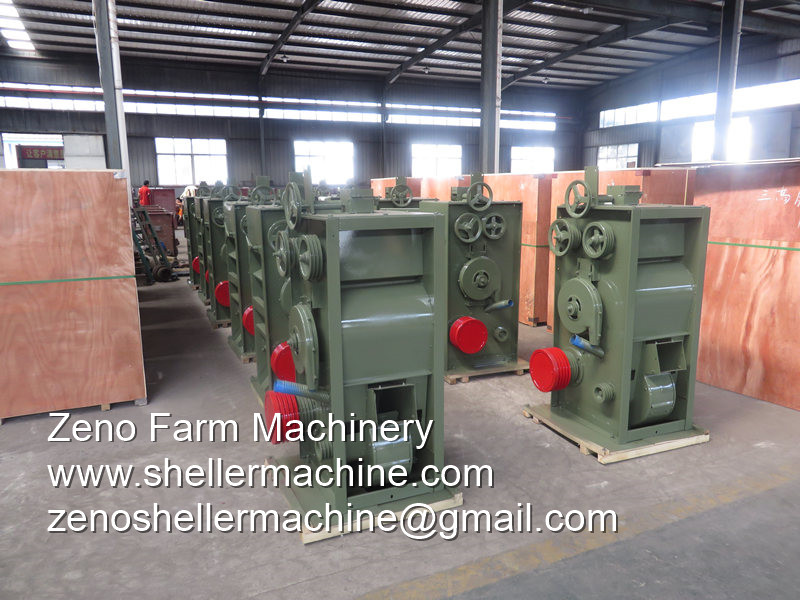
Starting a rice mill business can be a profitable idea, but it requires strategic planning and receiving the necessary licenses. Here are some steps that you can consider as a guideline on how to start a rice mill business. Market Research - Understand the demand for rice variety in your target area Feasibility Study - Consider the additional factors like land cost, rice milling plant cost, labour cost, production capacity etc. to evaluate the viability of your firm Business Plan - Prepare a detailed plan focusing on your business goals, marketing strategy, financial predictions, and management system Company Registration - Choose your business structure (sole proprietorship, partnership, or Limited Liability Company) and proceed with the registration processes There are various registration options that you need to take care of which are discussed in detail in this article. Why are Processing and Milling for Rice Grains Required? Processing and milling rice grains play a pivotal role in transforming raw rice into the final product consumed by a significant part of the world's population. The major reasons for this requirement are - Removal of Outer Layers - Raw rice straight from the fields isn't ready for consumption. Removing the outer layers makes it edible Quality Refinement - The outer layers, particularly the bran, taste slightly bitter. Milling removes this bitterness and gives a mild pleasant flavour. Milled rice also cooks faster compared to unpolished rice making it more convenient. Extended Shelf Life - The milling process eliminates the bran layer containing oils prone to spoilage hence extending the shelf life of rice Reduction of Anti-Nutrients - Processing and milling reduce anti-nutrients present in the outer layers of rice that enhance the digestibility of rice and contribute to improved nutrient absorption when consumed. Here are some key factors to consider for determining the cost of starting rice mill business. Market and Competition What is the demand for rice in your target area? What type of rice is favoured? Is there enough paddy available to meet your processing needs? Examine the existing rice mills in your area. What are their strengths and weaknesses in terms of pricing, processing capacity, and target markets? By performing thorough market research, you can develop a competitive advantage to stand out from the crowd Business Planning and Operations Decide on what scale you want to deliver your services - small-scale plant, medium-scale plan, large-scale plant etc. as this will impact your investment costs, production capacity, and target customer base. Production Process and Finance Understand the different stages of rice milling (cleaning, dehusking, polishing, etc.) and the machinery required for each step. Design a detailed financial plan that evaluates initial investment (land, machinery, licenses), operational costs (labour, utilities), and projected earnings. Licenses and Regulations Educate yourself with the required licenses and registrations for managing a rice mill in your region. Register with the MSME category to get government benefits. Receive a factory license from the Department of Labour depending on the number of workers hired. Secure a No Objection Certificate (NOC) from the State Pollution Control Board. Register for the Prevention of Food Adulteration Act (PFA) and Employees' State Insurance Corporation (ESIC) if you have more than 10 workers. Acquire a license from the Food Safety and Standards Authority of India (FSSAI) for food processing. Register for Goods and Services Tax (GST) if your turnover exceeds the exemption limit. Location Choose the best location with good access to paddy procurement pathways, transportation networks (for both raw materials and finished products), and reliable utilities (electricity, water). Milling Machinery Pick rice mill machinery that is suitable for your production capacity, desired rice quality, and budget. Evaluate factors like efficiency, power requirements, and ease of maintenance. How Much is the Cost of a Rice Mill Installation in India? The cost of a modern rice milling machine in India can vary immensely depending on several factors: Production Capacity - The most significant cost driver is the preferred processing capacity of your plant. Mini rice mills with a capacity of 1 ton per hour can cost around ₹ 2-3 lakhs, while larger plants processing 100 tons per day can go into crores Automation Level - Fully automatic plants offer higher efficiency but are very expensive when compared to semi-automatic or manual ones. Additional Features - Features like after-sales support, parboiling units, color sorters, and advanced rice graders will increase the overall rice mill plant setup cost.
Dubai is becoming one of the most attractive places in the world for you to start a business.
Exceptional infrastructure and the competitive business environment are not the only reasons why companies and entrepreneurs around the world are flocking to Dubai and the Gulf.
Click here to know more about us!