


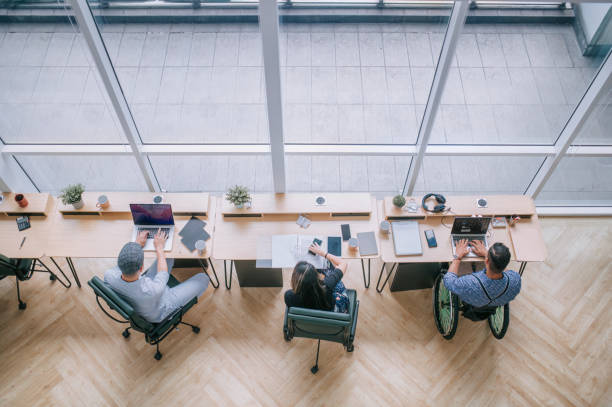
Lighting plays a crucial role in the overall effectiveness of an office workstation. Proper lighting not only enhances visibility but also significantly impacts employee productivity, comfort, and well-being. A well-lit workspace can reduce eye strain, boost focus, and create an environment that promotes efficiency and satisfaction. This blog will explore the importance of lighting in creating an effective office workstation and provide tips on optimizing lighting to enhance your work environment.
Understanding the Impact of Natural Light
Natural light is one of the most beneficial forms of lighting for any office workstation. Exposure to natural light has been shown to improve mood, energy levels, and overall well-being. When employees are exposed to natural light, they are more likely to experience better sleep patterns, which in turn can boost productivity and focus during work hours. Incorporating natural light into your office workstation can also reduce the need for artificial lighting, leading to lower energy costs and a more environmentally friendly workplace.
However, not every office layout can maximize natural light. For those workstations that are situated away from windows or natural light sources, it’s important to strategically place mirrors or light-reflective surfaces to help distribute the available light more effectively. Additionally, using light-colored walls and furnishings can help amplify the effects of natural light, creating a brighter and more inviting workspace.
The Importance of Task Lighting
Task lighting is essential for reducing eye strain and improving focus in an office workstation. Task lighting refers to focused lighting that illuminates specific areas where detailed tasks are performed, such as reading, writing, or working on a computer. Proper task lighting ensures that employees have adequate light to perform their tasks without straining their eyes, which can lead to discomfort and decreased productivity.
A desk lamp with adjustable brightness and positioning is an ideal choice for task lighting. This allows employees to direct light exactly where it’s needed, reducing shadows and glare that can cause eye strain. In addition to improving visibility, task lighting can create a more personalized and comfortable workspace, as employees can adjust the lighting to suit their individual needs and preferences.
Balancing Ambient Lighting
While task lighting is important, it should be complemented by ambient lighting to create a balanced and comfortable office workstation. Ambient lighting provides general illumination for the entire workspace, ensuring that the environment is well-lit without harsh shadows or overly bright spots. This type of lighting sets the overall mood of the workspace and helps reduce the contrast between the screen and the surrounding area, which can alleviate eye strain.
Ambient lighting can be achieved through overhead fixtures, wall sconces, or floor lamps. It’s important to choose lighting that is bright enough to illuminate the space but soft enough to avoid creating glare on computer screens or other reflective surfaces. Dimmable lights are a great option for ambient lighting, as they allow employees to adjust the brightness according to their needs throughout the day, helping to maintain comfort and focus.
Reducing Glare and Reflections
Glare and reflections can be significant distractions in an office workstation, causing eye strain and reducing productivity. Glare occurs when light reflects off surfaces such as computer screens, desks, or glossy materials, making it difficult to see clearly. This can lead to squinting, headaches, and even long-term vision problems if not addressed properly.
To minimize glare, consider using adjustable blinds or shades on windows to control the amount of natural light entering the workspace. Positioning monitors perpendicular to windows or light sources can also help reduce direct reflections on screens. Additionally, using matte finishes for desks and other surfaces can help absorb light and reduce glare, creating a more comfortable and visually pleasant workstation.
Incorporating Adjustable Lighting Options
Flexibility in lighting is key to creating an effective office workstation. Adjustable lighting options allow employees to tailor the lighting to their specific needs and tasks, which can enhance comfort and productivity. For example, an employee may need brighter lighting for detailed work, while softer lighting may be more appropriate for brainstorming sessions or relaxation.
Desk lamps with adjustable brightness and color temperature settings are an excellent choice for providing this flexibility. Some modern office lighting systems also offer smart controls that allow users to adjust lighting through apps or voice commands, providing even greater convenience. By incorporating adjustable lighting, you can create a versatile workspace that adapts to various tasks and personal preferences.
Choosing the Right Color Temperature
The colour temperature of the lighting can highly influence the mood and functionality of an office workstation. Color temperature is measured in Kelvins (K) and ranges from warm (yellowish) to cool (bluish) light. Warm light (around 2700K to 3000K) creates a cozy and relaxing atmosphere, while cool light (around 5000K to 6500K) is more energizing and suitable for tasks that require high concentration.
For an office workstation, a balance between warm and cool light is often ideal. Cooler light is recommended for task lighting as it enhances focus and clarity, making it easier to see fine details. On the other hand, warmer light can be used for ambient lighting to create a comfortable and inviting atmosphere. By carefully selecting the right color temperature for different lighting elements, you can create a workspace that supports both productivity and well-being.
Integrating Natural Light with Artificial Lighting
While natural light is ideal, it’s not always possible to rely on it alone. Integrating natural light with artificial lighting can help create a well-lit office workstation that takes advantage of the benefits of both. For instance, using daylight-simulating bulbs in areas with limited natural light can mimic the effects of natural sunlight, helping to maintain a consistent and energizing work environment.
Artificial lighting should be strategically placed to complement natural light sources rather than compete with them. For example, using light fixtures with adjustable brightness can help balance the lighting throughout the day as natural light levels change. This integration ensures that employees receive consistent and adequate lighting, regardless of the time of day or weather conditions.
The Role of Lighting in Reducing Fatigue
Poor lighting can contribute to physical and mental fatigue, reducing overall productivity and well-being. Insufficient or overly harsh lighting can cause employees to strain their eyes, leading to headaches and decreased focus. Over time, this can cause higher stress levels and reduced work performance.
To combat fatigue, it’s important to create a well-lit office workstation that provides both visual comfort and psychological well-being. This can be achieved by using a combination of natural light, ambient lighting, and task lighting to create a balanced and soothing environment. Additionally, incorporating regular breaks and encouraging employees to step away from their desks to stretch or take in natural light can help reduce the effects of fatigue and keep energy levels high throughout the day.
The Psychological Impact of Lighting
Lighting doesn’t just affect physical comfort—it also has a significant impact on mood and mental well-being. Cool, bright lighting can boost alertness and concentration, making it perfect for tasks that demand focus and precision. On the other hand, softer, warmer lighting can create a calming effect, reducing stress and promoting relaxation.
The psychological impact of lighting should be considered when designing an office workstation. By incorporating a variety of lighting options that cater to different tasks and moods, you can create a workspace that supports both productivity and emotional well-being. For example, using cooler lighting during the morning hours can help employees feel more awake and focused, while warmer lighting in the afternoon can help ease the transition to the end of the workday.
Conclusion
In conclusion, lighting plays a fundamental role in the design and functionality of an effective office workstation. By carefully considering factors such as natural light, task lighting, ambient lighting, glare reduction, and colour temperature, you can create a workspace that enhances both productivity and well-being.
A well-lit office workstation tables not only supports the physical comfort of employees but also contributes to a positive and motivating work environment. As you plan your office lighting, remember to prioritize flexibility and adaptability, allowing your lighting setup to evolve with the needs of your employees and the demands of their work.




Small Business Create Design layout Tips for Home Office Plans
While running your online business jobs from home is guaranteed to build some things easier doing away with a trying commute, for instance, From managing some time to managing your pocketbook, running a victorious home business takes plenty of self-discipline will simply take over your home based and your life.
Here are useful tips online business work from home Office House:
Find a separate house for operating
No matter however little your home setting aside a special space for work is important.
whether or not it’s a wing of your house, a room or maybe a separate table it helps to disunite your work life from the remainder of your activities and hobbies.