





Understanding Solar Charge Controllers
Solar charge controllers are essential components in solar power systems. They regulate the voltage and current coming from the solar panels to the batteries, ensuring that the batteries are charged properly and not overcharged. Without a solar charge controller, your batteries could be damaged due to overcharging or excessive discharging, which could significantly reduce their lifespan. Solar charge controllers are designed to manage the power flow from the solar panels to the batteries, ensuring that the energy is stored efficiently and safely.
In a solar power system, the solar panels generate electricity by converting sunlight into direct current (DC) electricity. This electricity is then sent to the batteries for storage. However, the voltage and current from the solar panels can vary depending on the amount of sunlight and other environmental factors. This is where the solar charge controller comes in. It acts as a regulator, ensuring that the voltage and current levels are within safe limits for the batteries. By doing so, it helps to protect the batteries from damage and ensures that they are charged efficiently.
Types of Solar Charge Controllers
There are mainly two types of solar charge controllers: Pulse Width Modulation (PWM) and Maximum Power Point Tracking (MPPT). PWM controllers are simpler and cheaper, but they are less efficient compared to MPPT controllers. MPPT controllers are more advanced and can extract more power from the solar panels, especially in conditions where the sunlight is not constant. Choosing between these two types depends on your specific needs and budget.
PWM controllers work by slowly reducing the amount of power going to the batteries as they get closer to being fully charged. This method is effective but can result in some energy loss, as the excess energy from the solar panels is not utilized. On the other hand, MPPT controllers are designed to maximize the power output from the solar panels by constantly adjusting the electrical operating point of the modules. This allows them to extract more power from the solar panels, especially during periods of low sunlight or varying weather conditions.
When deciding between PWM and MPPT controllers, it's important to consider factors such as the size of your solar power system, the type of batteries you are using, and your budget. While MPPT controllers are generally more expensive, they can offer significant benefits in terms of efficiency and power output. For smaller systems with limited budgets, PWM controllers may be a more cost-effective option. However, for larger systems or those requiring maximum efficiency, MPPT controllers are often the better choice.
Importance of Solar Charge Controllers
The primary importance of solar charge controllers lies in their ability to protect the batteries from overcharging and deep discharging. Overcharging can lead to overheating and damage to the battery, while deep discharging can reduce the battery's capacity and lifespan. Solar charge controllers also help in maintaining the overall health of the solar power system by ensuring that the batteries are always charged optimally.
Overcharging occurs when the batteries receive more voltage than they can handle, leading to excessive heat buildup and potential damage. This can cause the batteries to degrade more quickly, reducing their overall lifespan. Deep discharging, on the other hand, happens when the batteries are drained beyond their safe limits. This can result in a loss of capacity and efficiency, making the batteries less effective at storing and delivering power. Solar charge controllers prevent these issues by regulating the charging process and ensuring that the batteries are charged within safe limits.
In addition to protecting the batteries, solar charge controllers also play a crucial role in optimizing the performance of the entire solar power system. By ensuring that the batteries are charged efficiently and safely, they help to maximize the overall energy output from the solar panels. This can lead to increased savings on energy costs and a more reliable power supply for your home or business.
How Solar Charge Controllers Work
Solar charge controllers work by monitoring the voltage and current coming from the solar panels and adjusting the charging process accordingly. They have built-in algorithms that determine the optimal charging parameters for the batteries. When the batteries are fully charged, the controller reduces the charging current to prevent overcharging. Similarly, when the battery voltage drops below a certain level, the controller disconnects the load to prevent deep discharging.
The process begins with the solar panels generating electricity from sunlight. This electricity is then sent to the solar charge controller, which measures the voltage and current levels. Based on these measurements, the controller adjusts the charging process to ensure that the batteries receive the right amount of charge. If the batteries are already fully charged, the controller will reduce or stop the charging current to prevent overcharging. Conversely, if the battery voltage drops too low, the controller will disconnect the load to prevent deep discharging.
Solar charge controllers use various algorithms to determine the optimal charging parameters for the batteries. These algorithms take into account factors such as the battery type, temperature, and current state of charge. By continuously monitoring and adjusting the charging process, the controller ensures that the batteries are charged efficiently and safely. This helps to extend the lifespan of the batteries and maintain the overall performance of the solar power system.
Choosing the Right Solar Charge Controller
Choosing the right solar charge controller depends on several factors, including the type of batteries you are using, the size of your solar power system, and your budget. It is important to select a controller that is compatible with your batteries and can handle the maximum current and voltage from your solar panels. Additionally, you should consider the efficiency and features of the controller, such as temperature compensation, load control, and data monitoring capabilities.
When selecting a solar charge controller, it's essential to consider the type of batteries you are using. Different batteries have different charging requirements, and it's important to choose a controller that is compatible with your specific battery type. For example, lead-acid batteries require a different charging profile compared to lithium-ion batteries. Using the wrong type of controller can result in inefficient charging and potential damage to the batteries.
The size of your solar power system is another important factor to consider. Larger systems with higher power output will require a more robust controller that can handle the increased current and voltage. It's important to choose a controller that can manage the maximum power output from your solar panels to ensure efficient and safe charging. Additionally, you should consider the overall efficiency of the controller. Higher efficiency controllers can help to maximize the energy output from your solar panels and improve the overall performance of your solar power system.
Other features to consider when choosing a solar charge controller include temperature compensation, load control, and data monitoring capabilities. Temperature compensation ensures that the charging process is adjusted based on the temperature of the batteries, helping to optimize their performance and lifespan. Load control allows you to manage the power consumption of connected devices, ensuring that they do not drain the batteries excessively. Data monitoring capabilities enable you to track the performance of your solar power system and make informed decisions about its operation and maintenance.
Installation and Maintenance of Solar Charge Controllers
Installing a solar charge controller involves connecting it between the solar panels and the batteries. It is important to follow the manufacturer's instructions and ensure that all connections are secure and properly insulated. Regular maintenance of the controller includes checking the connections for corrosion, cleaning the unit, and updating the firmware if necessary. Proper installation and maintenance can help in extending the lifespan of the solar charge controller and ensuring its optimal performance.
During the installation process, it's important to follow the manufacturer's guidelines and ensure that all connections are made correctly. This includes connecting the solar panels to the input terminals of the controller and the batteries to the output terminals. It's essential to use the appropriate wiring and connectors to ensure a secure and reliable connection. Additionally, all connections should be properly insulated to prevent short circuits and other electrical issues.
Regular maintenance of the solar charge controller is crucial for ensuring its long-term performance and reliability. This includes periodically checking the connections for signs of corrosion or wear and cleaning the unit to remove any dust or debris. It's also important to update the firmware of the controller if necessary, as this can help to improve its performance and address any potential issues. By performing regular maintenance, you can help to extend the lifespan of the solar charge controller and ensure that it continues to operate efficiently.
Common Issues and Troubleshooting
Some common issues with solar charge controllers include incorrect settings, loose connections, and firmware glitches. Troubleshooting these issues involves checking the controller's settings, ensuring that all connections are tight and secure, and updating the firmware if needed. If the controller is not working properly, it is advisable to consult the manufacturer's manual or seek professional help to diagnose and fix the problem.
Incorrect settings can result in inefficient charging and potential damage to the batteries. It's important to ensure that the controller is configured correctly based on the type of batteries and the specifications of your solar power system. This may involve adjusting parameters such as the charging voltage, current limits, and temperature compensation settings. If you are unsure about the correct settings, it's advisable to consult the manufacturer's manual or seek assistance from a professional.
Loose connections can also cause issues with the performance of the solar charge controller. It's important to regularly check all connections to ensure that they are tight and secure. Loose connections can result in intermittent power flow and potential damage to the controller and batteries. If you notice any loose connections, it's important to tighten them immediately and ensure that they are properly insulated.
Firmware glitches can affect the performance of the solar charge controller and result in issues such as incorrect charging parameters or system errors. Updating the firmware can help to address these issues and improve the overall performance of the controller. It's important to regularly check for firmware updates from the manufacturer and install them as needed. If you encounter any issues that cannot be resolved through troubleshooting, it's advisable to seek professional help to diagnose and fix the problem.
Future Trends in Solar Charge Controllers
The future of solar charge controllers looks promising with advancements in technology and increasing demand for renewable energy solutions. Some of the future trends in solar charge controllers include the integration of smart features, such as remote monitoring and control, improved efficiency, and compatibility with various types of batteries. Additionally, there is a growing focus on developing more sustainable and environmentally friendly solar charge controllers to support the global transition to clean energy.
One of the key trends in the future of solar charge controllers is the integration of smart features. This includes the ability to remotely monitor and control the performance of the solar power system through mobile apps or online platforms. Smart solar charge controllers can provide real-time data on the system's performance, allowing users to make informed decisions about its operation and maintenance. This can help to optimize the efficiency and reliability of the solar power system and ensure that it continues to operate at peak performance.
Another important trend is the development of more efficient solar charge controllers. Advances in technology are enabling the creation of controllers that can extract more power from the solar panels and deliver it to the batteries with minimal losses. This can help to maximize the energy output from the solar power system and increase savings on energy costs. Additionally, there is a growing focus on developing controllers that are compatible with a wide range of battery types, including newer technologies such as lithium-ion and other advanced battery chemistries.
Environmental sustainability is also becoming a key consideration in the development of solar charge controllers. Manufacturers are increasingly focusing on creating controllers that are made from sustainable materials and have a minimal environmental impact. This includes the use of recyclable components and energy-efficient manufacturing processes. By developing more sustainable solar charge controllers, manufacturers can help to support the global transition to clean energy and reduce the overall environmental footprint of solar power systems.
In conclusion, solar charge controllers are essential components in solar power systems, playing a crucial role in regulating the voltage and current from the solar panels to the batteries. They help to protect the batteries from overcharging and deep discharging, ensuring their optimal performance and longevity. By choosing the right solar charge controller and performing regular maintenance, you can ensure the efficiency and reliability of your solar power system. With advancements in technology and increasing demand for renewable energy solutions, the future of solar charge controllers looks bright, with the promise of even more efficient, smart, and sustainable solutions on the horizon.


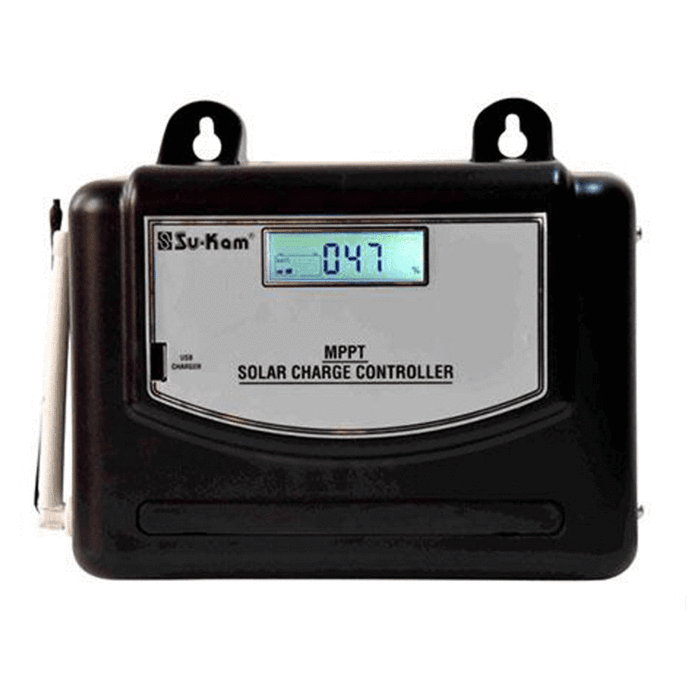
Buy Sukam brand best selling PWM and MPPT solar charge controller online from loom solar.
Mppt (Maximm power point tracking) solar charge controller is Latest technology chargers for Battery Charging, Loom solar offers latest products, lower price, delivery within 3 days, Cash on delivery and EMI also available.http://www.loomsolar.com/collections/sukam-solar-charge-controllers
Solar Charge Controllers Market Comprehensive Study is an expert and top to bottom investigation on the momentum condition of the worldwide Global Solar Charge Controllers Market with an attention on the Global market.
The report gives key insights available status of the Global Solar Charge Controllers producers and is an important wellspring of direction and course for organizations and people keen on the business.
By and large, the report gives an inside and out understanding of 2020-2025 worldwide Solar Charge Controllers Market covering extremely significant parameters.
Market Trends:Rising Awareness Regarding the Advantages of Solar Energy Market Drivers:Rapidly Increasing Installation Rate of Solar Panels GloballyIncreasing Number of Rooftop Operations in Remote Areas Market Challenges:The Requirement of the High Capital Cost is Hindering the Adoption Rate of Solar Charge Controllers in Developing EconomiesIssues Towards Environmental Risk for Solar Devices Market Restraints:Augmentation of Solar Capacity can Hamper the MarketInstallation of new Solar-Based Power Grids could be an Expensive in NatureKey Players in This Report Include,Genasun (United States), Luminous India (India), MICROTEK (Taiwan), Schneider Electric (France), Su-Kam Power Systems (India), Arise India (India), BEIJING EPSOLAR TECHNOLOGY (Beijing), Delta Electronics (Taiwan), Morningstar (United States), Samlex America (United States) This research report represents a 360-degree overview of the competitive landscape of the Global Solar Charge Controllers Market.
The research report analyzes the Global Solar Charge Controllers Market in a detailed and concise manner for better insights into the businesses.Regions Covered in the Global Solar Charge Controllers Market:The Middle East and Africa (South Africa, Saudi Arabia, UAE, Israel, Egypt, etc.
)North America (United States, Mexico & Canada)South America (Brazil, Venezuela, Argentina, Ecuador, Peru, Colombia, etc.