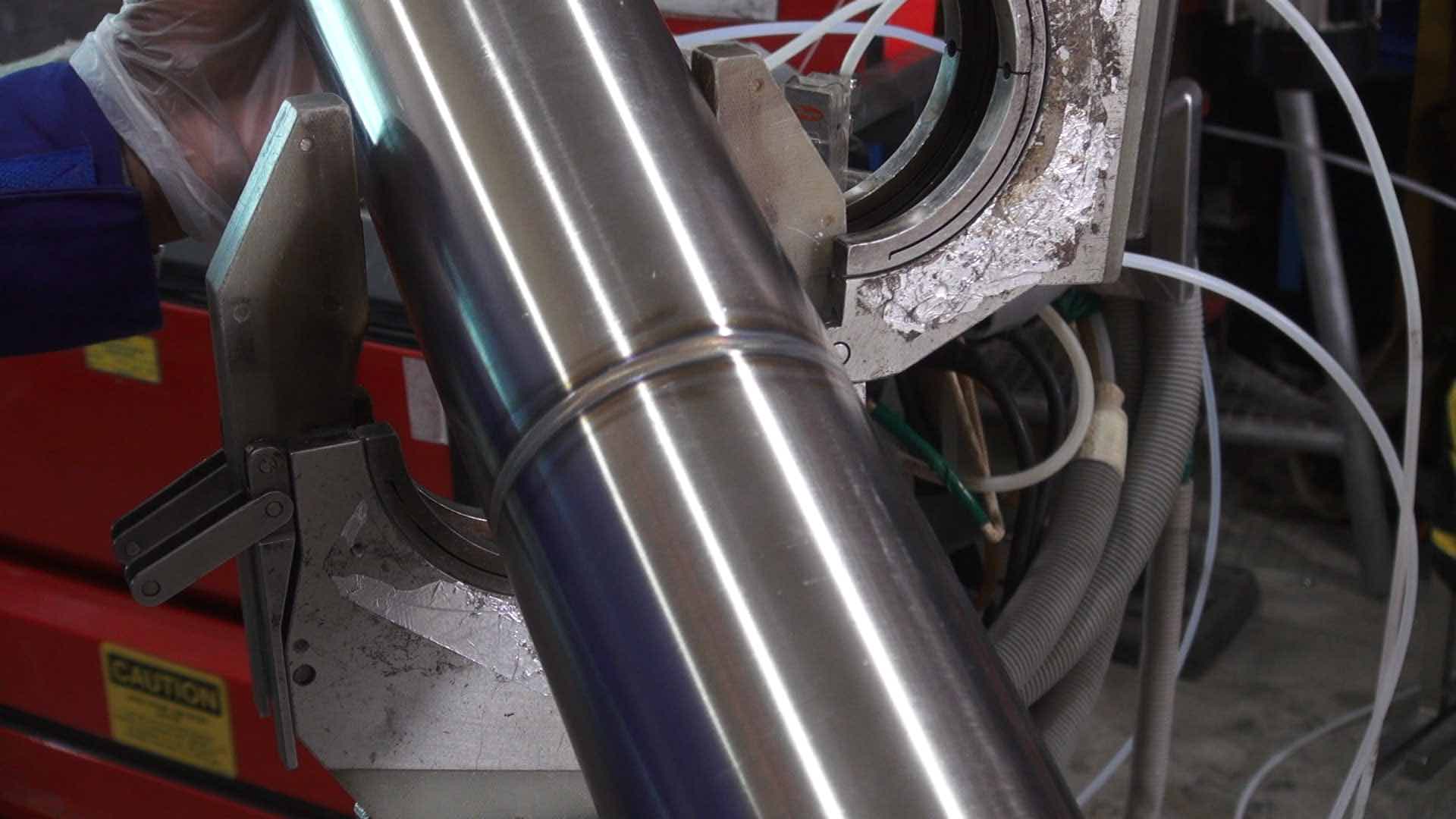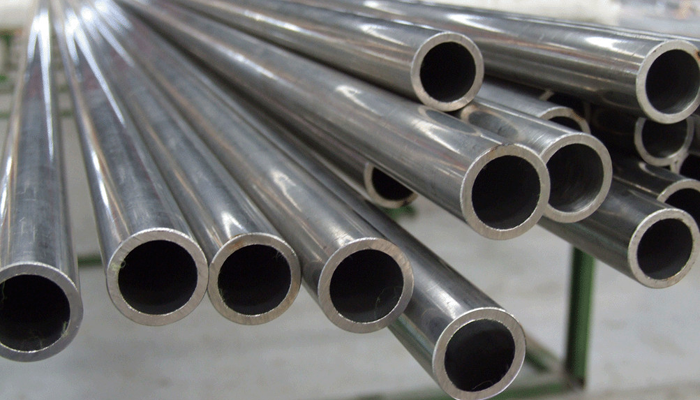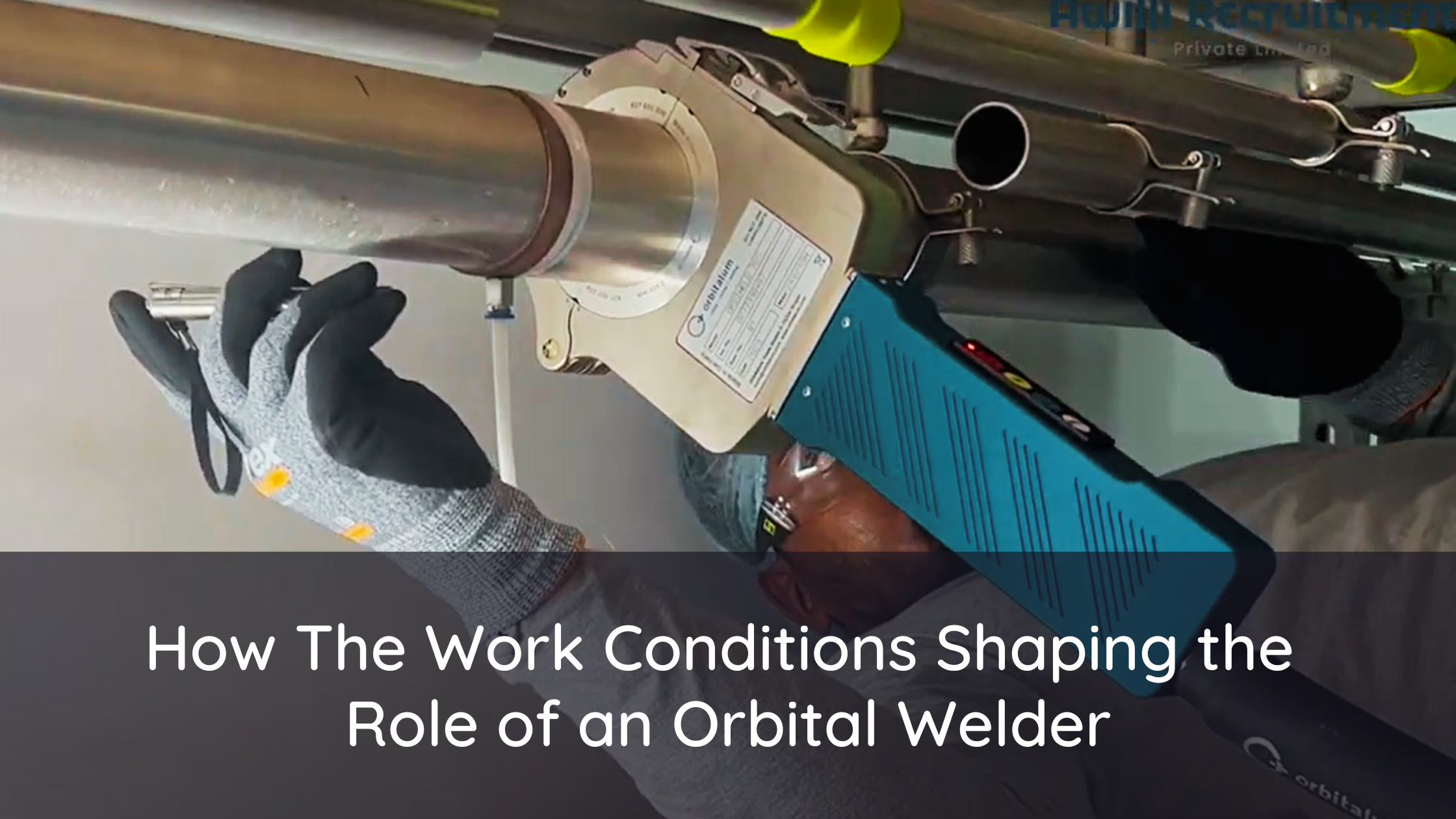
Orbital welding is a specialized field in the welding industry that involves the use of machines to automate the welding process, typically in pipes and tubes, in critical industries such as aerospace, nuclear, pharmaceutical, semiconductor, and oil and gas. Due to the precision and high-quality requirements of these industries, orbital welders must meet stringent standards, and their work environment comes with its own set of unique conditions. In this article, we will delve into the working conditions for an orbital welder, highlighting the physical, environmental, safety, and professional aspects that shape their day-to-day experiences.
1. Physical Work Environment
Orbital welders often work in environments that can be physically demanding, as much of the work involves handling equipment in confined or awkward spaces. The pipes and tubes that orbital welders work on are often located in narrow or restricted areas, requiring them to crouch, kneel, or position themselves in uncomfortable angles. For instance, welders in industries like shipbuilding or aerospace may need to weld pipes located deep within machinery compartments or within tight structures, which can limit their movement and increase the physical strain of their job.
Additionally, these welders work with heavy machinery, requiring them to have a high level of physical strength and stamina. Although much of the welding process is automated with the help of the orbital welding machine, setting up the machine, adjusting it for the right angles, and handling the components being welded can be labor-intensive. Orbital welders must also be ready to troubleshoot, calibrate, and maintain their equipment, which adds to their physical workload.
2. Indoor vs. Outdoor Workspaces
The work conditions of orbital welders vary depending on the industry in which they work. Some industries, such as semiconductor manufacturing and pharmaceuticals, typically require welding to take place in cleanrooms or controlled indoor environments. These environments are climate-controlled to ensure that dust, contaminants, or moisture do not affect the precision and quality of the weld. The temperature and humidity are regulated, and the welder is often required to wear cleanroom suits, gloves, and protective gear to maintain sterility. This kind of environment may seem less harsh, but it demands a meticulous adherence to hygiene and safety standards.
In contrast, industries such as oil and gas or construction often involve outdoor welding jobs. Orbital welders in these sectors may be required to work in extreme weather conditions, ranging from the intense heat of a desert oil rig to freezing temperatures on an offshore platform. Welding outdoors adds additional challenges, such as dealing with wind, rain, or direct sunlight, which can affect visibility and precision. Additionally, weather conditions can also increase the physical discomfort of the job, with welders needing to take precautions to stay safe in harsh climates.
3. Work Hours and Shifts
The work schedule for an orbital welder can vary widely based on the industry and project timelines. In some cases, welders may work standard full-time hours, such as a typical 8-hour workday. However, in industries like aerospace, oil and gas, or power plants, deadlines and project requirements often dictate extended work hours, including weekends and night shifts. It is common for orbital welders to work in shifts, especially when dealing with critical infrastructure projects that need to be completed as quickly as possible.
This can lead to irregular work hours and overtime, which can take a toll on personal life and well-being. Welders must be prepared to adapt to changing schedules and long workdays, especially during peak project periods when their skills are in high demand.
4. Safety Conditions
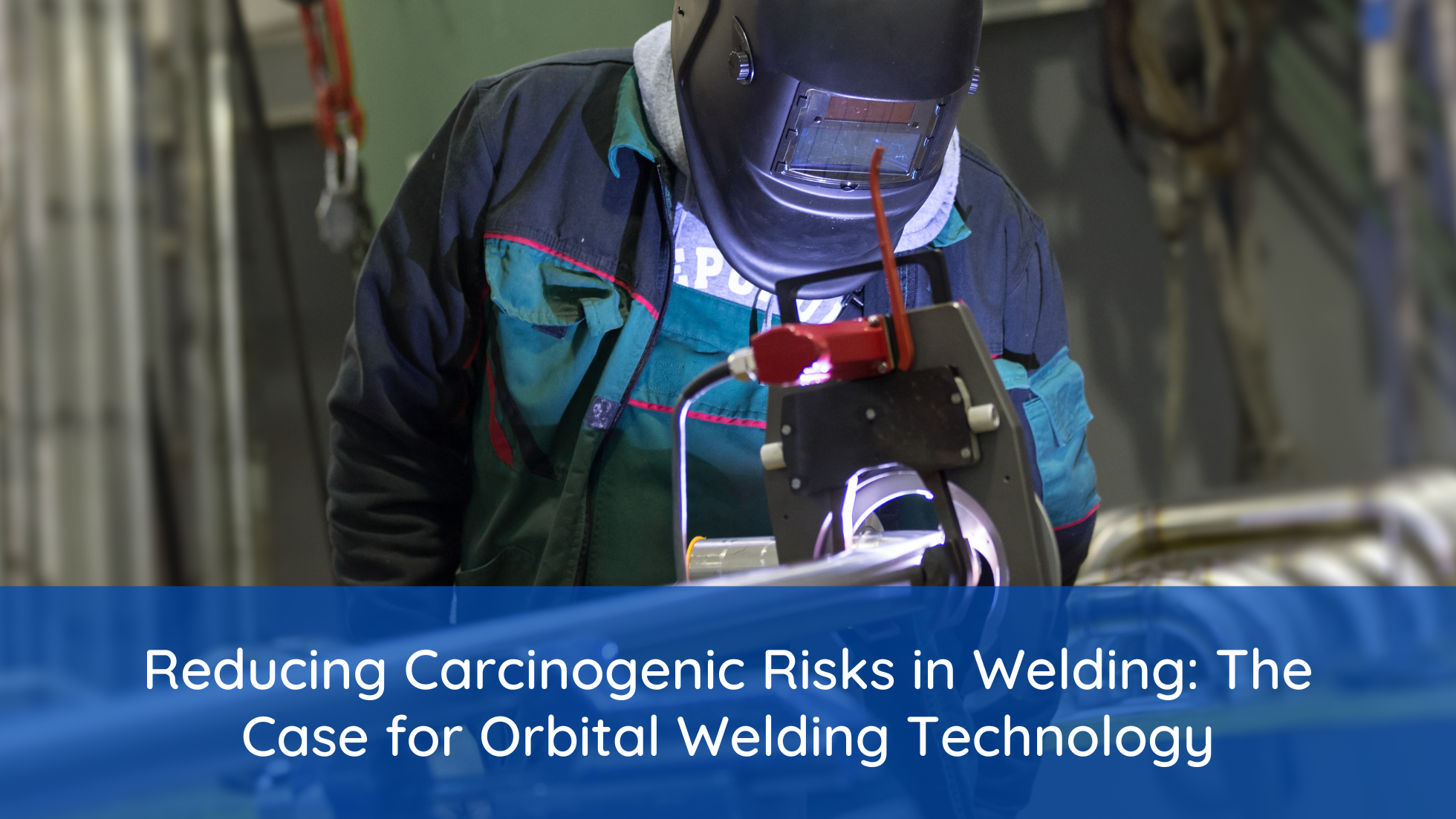
Safety is a paramount concern for orbital welders due to the inherent risks involved in working with high-heat equipment, toxic materials, and hazardous environments. Welding involves exposure to ultraviolet (UV) and infrared (IR) radiation, which can be harmful to the eyes and skin if proper protection is not used. Orbital welders are required to wear personal protective equipment (PPE) such as welding helmets, gloves, flame-resistant clothing, and eye protection to shield themselves from potential injuries.
The use of gases in welding, such as argon or helium, can create respiratory hazards, especially in confined spaces. Welders must ensure proper ventilation and, in some cases, wear respirators to avoid inhaling harmful fumes. Additionally, the possibility of electrical hazards is ever-present when working with orbital welding machines, as they operate using electrical currents to create the welds. Proper training in electrical safety and grounding techniques is essential to mitigate these risks.
For orbital welders working in industries like oil and gas, the risk of working in hazardous environments is even higher. These environments may contain flammable materials, which can be ignited by sparks from the welding process. Welders in these fields often need to follow strict safety protocols, including the use of gas detectors, fire-resistant clothing, and emergency shutdown procedures.
5. Training and Certification
The job of an orbital welder requires specialized training and certification due to the complexity and precision involved. Orbital welders must be proficient in reading blueprints, understanding welding specifications, and setting up the orbital welding equipment. Certification from organizations such as the American Welding Society (AWS) or the American Society of Mechanical Engineers (ASME) is often required, depending on the industry and the specific job at hand.
Additionally, continuing education is a key aspect of the profession, as technology in welding is constantly evolving. Orbital welders must stay up to date with the latest advancements in welding equipment, techniques, and safety standards to remain competitive in the job market. This ongoing learning process adds a layer of intellectual demand to the job, as welders must not only be skilled in manual labor but also knowledgeable about the technical aspects of their work.
6. Job Satisfaction and Compensation
Despite the demanding work conditions, many orbital welders find job satisfaction due to the high level of expertise and precision required in the field. The work is highly specialized, and successful welders are often rewarded with a sense of accomplishment for completing complex tasks that are crucial to the functioning of critical industries.
The compensation for orbital welders is typically higher than that of general welders due to the specialized skills and training required. According to industry standards, orbital welders can earn a competitive salary, with the potential for bonuses or additional pay for working in hazardous environments or overtime. The job also offers opportunities for career advancement, as experienced orbital welders can move into supervisory roles or positions in welding inspection and quality control.
Conclusion
The work conditions for an orbital welder are shaped by a combination of physical demands, environmental factors, safety considerations, and the need for continuous learning. While the job can be challenging, both physically and mentally, it offers high rewards for those who are skilled, dedicated, and safety-conscious. With the increasing demand for orbital welding in various industries, the future looks promising for professionals in this field, as long as they remain adaptable and committed to maintaining high standards of precision and quality in their work.