




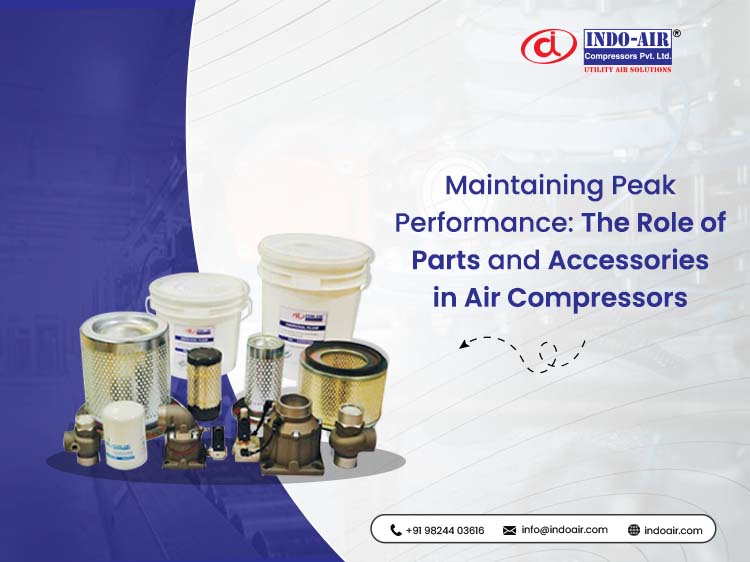
Air compressors are essential in various industries, from automotive repair shops to large-scale manufacturing. Their ability to convert power into compressed air makes them valuable for powering pneumatic tools, painting, and even inflating tires. However, like any mechanical equipment, air compressors also work properly with their maintenance. Proper attention must be paid to their parts and accessories to ensure these machines perform at their peak and avoid costly downtime. In this article, we’ll explore an air compressor's most essential parts and accessories and how regular maintenance can keep a heavy duty air compressor running smoothly, extend its lifespan, and enhance its overall efficiency. Let's take a look!
The role parts and accessories in air compressors:
Air filters:
One of the most important parts of air compressors is the air filter. Its primary job is to filter out contaminants such as dust, dirt, and moisture from the air before they enter the compressor. Without proper filtration, these contaminants can damage internal parts, reduce efficiency, and shorten the lifespan of the equipment.
Why it matters:
Maintenance tip:
Inspect air filters monthly and replace them if they appear clogged or damaged. This small action can significantly boost performance and efficiency.
Oil filters:
For oil lubricated compressors, oil filters are essential. These filters clean the oil by trapping dirt, metal particles, and other waste that can harm moving parts. Over time, contaminated oil can lead to overheating, friction, and mechanical failure.
Why it matters:
Maintenance tip:
Regularly replace the oil filter as high pressure air compressor manufacturers recommend, generally every 1,000 to 2,000 hours of the process. Always use the right type of oil for air compressors to ensure optimal performance.
Belts:
In belt-driven air compressors, belts transfer power from the motor to the pump, making them essential for maintaining correct air pressure and efficient operation. Over time, belts can stretch, crack, or wear down, causing slippage and reduced efficiency.
Why it matters:
Maintenance tip:
Check belts for wear, tension, and alignment regularly. Replace any worn-out belts immediately to prevent unexpected failures.
Pressure switches:
The pressure switch controls the compressor's on/off cycle based on the air pressure inside the tank. When working correctly, it prevents over-pressurization or under-pressurisation, ensuring safe and efficient compressor operation.
Why it matters:
Maintenance tip:
Test the pressure switch regularly by checking the compressor’s pressure settings and response times. Replace the switch at any signs of malfunction.
Gaskets and seals:
Gaskets and seals ensure airtight connections between different compressor parts, preventing air or oil leaks. Over time, seals may spoil due to heat, pressure, or wear, leading to inefficiencies in the compressor's operation.
Why it matters:
Maintenance tip:
Regularly check seals for wear and tear and replace any signs of cracking or damage.
Valves:
Valves are essential in controlling airflow within the heavy duty air compressor. There are various types, such as check valves, safety valves, and control valves, each serving a specific purpose. If these valves fail, it can cause air pressure loss or even total system failure.
Why it matters:
Maintenance tip:
Regularly check and clean valves to prevent blockages. Replace any damaged or worn-out valves promptly to maintain system efficiency.
Hoses and connectors:
The heavy duty air compressor system's hoses and connectors transport compressed air from the tank to the end-use tool or equipment. Leaky or damaged hoses reduce the overall efficiency and can cause the air compressors to work harder than necessary.
Why it matters:
Maintenance tip:
Regularly inspect hoses and connectors for wear, leaks, or cracks. Replace any damaged components to prevent air loss.
Drains and moisture walls:
When air is compressed, moisture naturally condenses and can collect inside the tank or system. Drains and moisture walls help remove this excess moisture, which, if left unchecked, can lead to rust, corrosion, and damage to internal components.
Why it matters:
Maintenance tip:
Drain the air tank daily and check moisture separators to ensure they function correctly.
Couplers and fittings:
Couplers and fittings allow quick and efficient connections between air hoses, tools, and the heavy duty air compressor. High-quality couplers ensure airtight connections, minimising air loss and maximising pressure delivery.
Why it matters:
Maintenance tip:
Use high-quality couplers and fittings, and inspect them regularly for wear. Replace worn components to avoid performance issues.
Regulators:
The regulator controls the pressure output of air compressors, ensuring the right amount of air pressure is delivered to tools, whether too much or too little; incorrect air pressure can affect the performance of pneumatic tools and even damage them.
Why it matters:
Maintenance tip:
Test the regulator periodically to ensure it is delivering the correct air pressure. Replace it if it becomes inconsistent.
Lubricants and oils:
Proper lubrication is essential to keeping moving parts in air compressors running smoothly. Using the right lubricants and oils reduces friction, prevents overheating, and minimises wear and tear on internal components.
Why it matters:
Maintenance tip:
Check oil levels frequently and change the oil as high pressure air compressor manufacturers recommend. Only use the specified oil type for air compressors.
Summary:
Maintaining air compressors in peak conditions requires constant attention to their parts and accessories. Each component, from air filters to pressure switches, is crucial in ensuring the compressor operates efficiently and lasts longer. Regularly inspecting, maintaining, and replacing these parts can avoid costly repairs, reduce energy consumption, and ensure the machine delivers optimal performance. Investing in high-quality accessories and following a potent maintenance schedule will keep a heavy duty air compressor running smoothly, ensuring you get the most out of essential tools for years to come.
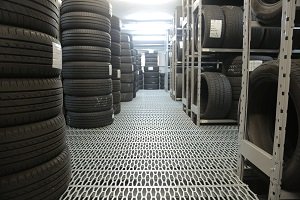
Tires are the only point of contact between your vehicle and the road.
They also support the weight of the vehicle..Read more : https://www.limitlesstire.com/blog/how-to-choose-the-right-tire