Proper site concrete preparation is the backbone of any successful construction project. In Montgomery, where the subtropical climate and unique soil composition pose their own set of challenges, ensuring a solid foundation through meticulous preparation is critical. For those embarking on concrete projects, a well-prepared site can be the difference between a sturdy, long-lasting structure and one plagued by cracks and uneven surfaces. Here’s a comprehensive guide to the 10 essential steps for site concrete preparation work in Montgomery.
Step 1: Site Evaluation and Soil Testing
The initial phase involves assessing the site to understand its conditions. Soil testing is vital, as the strength and stability of the underlying soil directly influence the durability of the concrete slab. A detailed analysis of soil composition helps identify whether the site requires additional reinforcement, drainage adjustments, or soil stabilization techniques. In Montgomery, soil types can vary, with clay-heavy areas often needing special attention to prevent shifting or settling over time.
Step 2: Site Clearing and Excavation
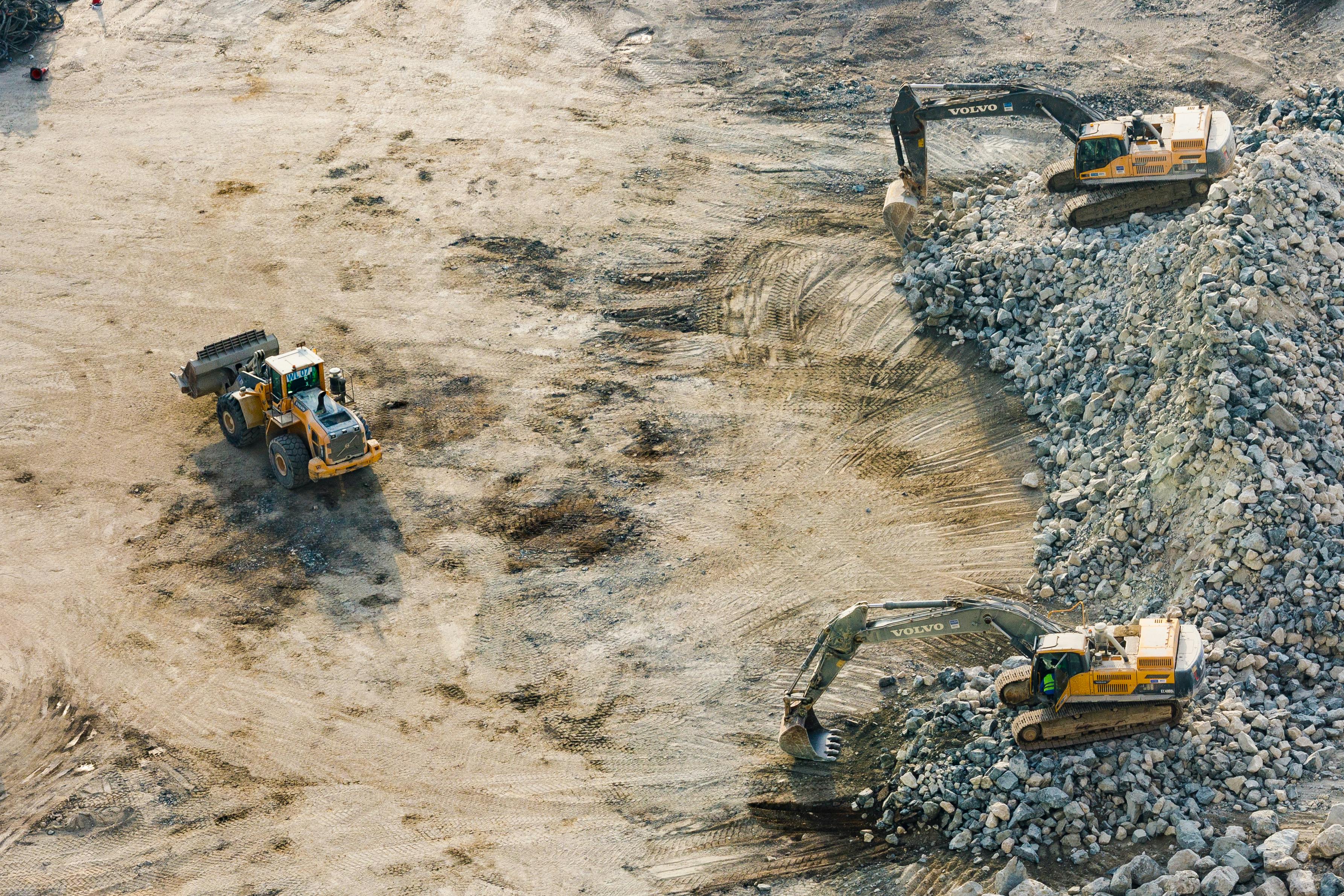
Once the evaluation is complete, the site must be cleared of all obstacles, including trees, shrubs, and debris. Removing the topsoil is essential to expose the stable subsoil layer beneath. Excavation is then conducted to achieve the correct depth for the concrete slab, ensuring the site is level and ready for the next steps. In areas like Montgomery, where tree roots can be invasive, careful excavation is needed to prevent future structural damage.
Step 3: Grading and Sloping for Drainage
Grading and sloping are key to preventing water accumulation under the concrete, which could compromise its integrity. A proper slope directs water away from the concrete, reducing the risk of cracks due to freeze-thaw cycles or erosion. In Montgomery's humid environment, managing drainage effectively is particularly important to avoid issues with moisture retention.
Step 4: Compacting the Subgrade
Compaction of the subgrade is crucial to ensure that the ground beneath the concrete remains stable. A poorly compacted subgrade can lead to uneven settling, causing cracks in the concrete slab over time. Equipment like vibratory plate compactors or rollers is commonly used to achieve the desired density, ensuring the foundation is firm. In Montgomery, where clay soils are prevalent, extra attention to compaction helps prevent shifting.
Step 5: Installing Base Material
Laying down a strong base layer is another critical step in site preparation. Crushed stone or gravel is typically used to form a stable foundation beneath the concrete. The thickness of this base material is essential for distributing the load evenly across the surface. Montgomery’s fluctuating weather patterns can affect ground movement, making a well-constructed base even more vital for long-term durability.
Step 6: Setting Up Formwork
Formwork defines the boundaries of the concrete pour and ensures that the slab will take the correct shape and dimensions. These forms are made from wood or metal and are carefully aligned to prevent issues during the pour. Precision in this step guarantees that the edges of the concrete will remain smooth and consistent. Montgomery’s frequent rain storms necessitate that formwork is securely installed to avoid any distortion caused by water.
Step 7: Reinforcement Placement
Concrete is strong in compression but relatively weak in tension, which is why reinforcement is so important. Steel bars, wire mesh, or even fiber reinforcements are embedded in the concrete to add tensile strength, preventing cracks and ensuring the slab can withstand various stresses. This step is especially important in areas with heavy foot or vehicle traffic, common in urban parts of Montgomery.
Step 8: Final Site Inspections Before Pouring
Before the concrete is poured, a final inspection is conducted to ensure everything is in place. This includes checking the alignment of the formwork, the thickness of the base material, and the placement of reinforcements. Addressing any discrepancies at this stage prevents costly fixes later on. Timely inspections are especially crucial in Montgomery’s unpredictable climate, where sudden changes in weather can affect the pouring process.
Step 9: Pouring the Concrete
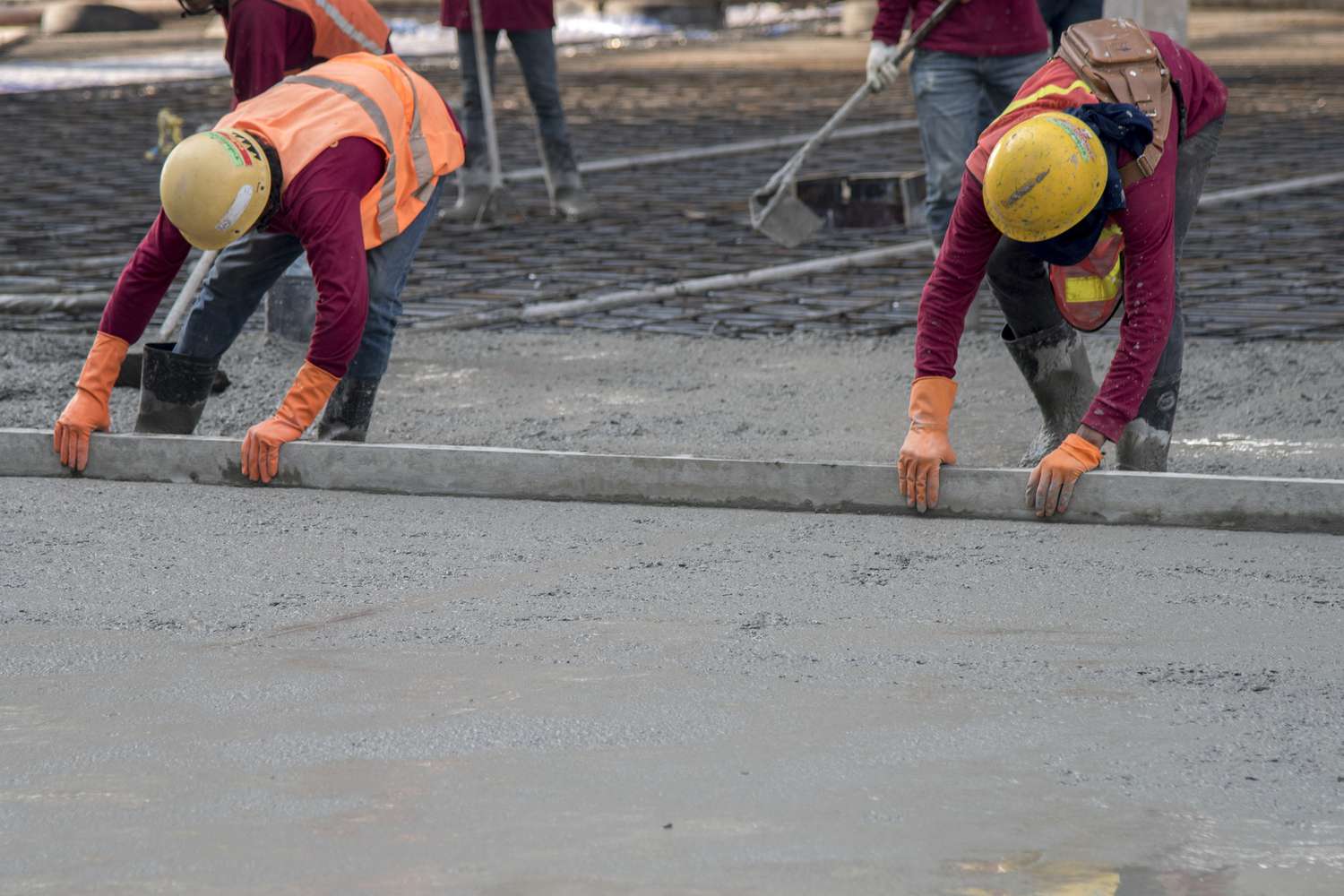
Pouring concrete is a process that requires both skill and precision. The mix must be poured evenly across the prepared site, with workers ensuring the surface remains level. Using techniques like screeding, the concrete is smoothed and compacted to eliminate any air pockets that could weaken the slab. A consistent pour is essential, especially in Montgomery, where fluctuations in temperature can affect the setting process.
Step 10: Curing the Concrete
Once the concrete is poured, it must be allowed to cure properly. Curing is the process of maintaining the right moisture levels and temperature to ensure the concrete hardens without cracking. This step is critical for achieving the desired strength and durability. Curing techniques vary depending on environmental conditions, and in Montgomery’s humid climate, it’s vital to monitor this process closely to prevent surface defects.
Conclusion
Every step in the concrete preparation process plays a pivotal role in ensuring the longevity and stability of the final structure. From site evaluation to proper curing, attention to detail is key in Montgomery’s unique environment. With the right approach, concrete work can withstand the challenges posed by local terrain and climate.
For those seeking reliable and expert site preparation services, trust the professionals at Montgomery Concrete Experts. With extensive experience and a commitment to quality, we ensure that your concrete projects stand the test of time. Contact Montgomery Concrete Experts today to get started on your next construction venture!