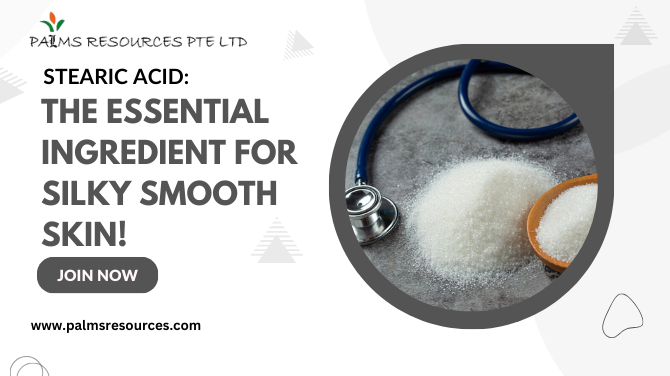
In the world of skincare, certain ingredients stand out for their ability to transform the texture and appearance of our skin. One such powerhouse is stearic acid. Often overshadowed by more popular components like hyaluronic acid and retinol, stearic acid plays a crucial role in formulating effective skincare products that deliver remarkable results. Stearic acid is a saturated fatty acid that occurs naturally in various animal and plant fats. It is commonly used in a wide array of skincare and cosmetic products due to its emollient, emulsifying, and thickening properties.
What is Stearic Acid?
To fully appreciate the benefits of stearic acid, it’s essential to understand its chemical structure and origins. Stearic acid is classified as a long-chain fatty acid with the chemical formula C18H36O2. It is primarily derived from animal fats, such as tallow, and vegetable oils, including cocoa butter and shea butter. In skincare formulations, stearic acid is valued for its ability to enhance the texture and stability of products. It is often found in creams, lotions, and cleansers, where it serves multiple functions, including acting as an emulsifier to blend oil and water-based ingredients effectively.
The Benefits of Stearic Acid for Skin
1. Moisturizing Properties
One of the most significant advantages of stearic acid is its ability to act as an emollient. By forming a protective barrier on the skin’s surface, it helps to lock in moisture and prevent water loss. This is particularly beneficial for individuals with dry or dehydrated skin, as stearic acid contributes to a softer, more supple texture.
2. Enhancing Product Stability
In addition to its moisturizing properties, stearic acid plays a vital role in stabilizing emulsions. Many skincare products rely on the combination of oil and water to deliver hydration effectively. Stearic acid helps to bind these two components together, ensuring a smooth and consistent product texture. This stability not only enhances the performance of the formulation but also extends its shelf life.
3. Softening and Smoothing Skin
Regular use of products containing stearic acid can lead to visibly softer and smoother skin. Its emollient nature helps to reduce roughness and improve overall skin texture, making it a popular choice in moisturizers and creams designed for dry or sensitive skin.
4. Anti-Inflammatory Properties
Stearic acid also possesses anti-inflammatory properties that can soothe and calm irritated skin. This makes it an excellent ingredient for those with sensitive or reactive skin types, as it can help alleviate redness and discomfort while promoting a more balanced complexion.
Common Uses of Stearic Acid in Skincare
1. Creams and Lotions
Stearic acid is a key ingredient in many moisturizers and lotions, where it contributes to the creamy texture and enhances the product's ability to hydrate the skin. Its emollient properties ensure that the skin feels soft and smooth after application.
2. Cleansers
In cleansing products, stearic acid can serve as a surfactant, helping to lift dirt and impurities from the skin while maintaining hydration. This dual action makes it a valuable addition to facial cleansers and body washes.
3. Makeup Products
Stearic acid is commonly found in makeup formulations, particularly in foundations and creams, where it contributes to a smooth application and enhances wearability. Its thickening properties help create a desirable texture that glides on effortlessly.
4. Sunscreens
In sunscreen formulations, stearic acid helps to stabilize the emulsion and ensure even distribution of active ingredients. Its protective barrier properties also contribute to maintaining skin hydration while shielding against UV damage.
Choosing the Right Products with Stearic Acid
When selecting skincare products containing stearic acid, consider the following tips:
1. Check the Ingredient List
Look for stearic acid listed among the primary ingredients. If it appears near the top of the list, it indicates a higher concentration, which may enhance the product's effectiveness for your specific skincare needs.
2. Evaluate Complementary Ingredients
While stearic acid offers numerous benefits, it is essential to consider the entire formulation. Look for products that combine stearic acid with other beneficial ingredients, such as hyaluronic acid, glycerin, or natural oils, to maximize hydration and nourishment.
3. Assess Your Skin Type
Stearic acid is suitable for various skin types, but it is particularly beneficial for dry or sensitive skin. If you have oily or acne-prone skin, choose products with a balanced formulation that considers your specific concerns.
Myths and Misconceptions About Stearic Acid
Despite its many benefits, stearic acid has faced some misconceptions that warrant clarification.
1. Is Stearic Acid Comedogenic?
One common myth is that stearic acid is comedogenic, meaning it can clog pores and lead to breakouts. However, stearic acid is generally considered non-comedogenic, making it suitable for various skin types, including oily and acne-prone skin. Individual reactions may vary, so it's always advisable to patch-test new products.
2. Natural vs. Synthetic Debate
Another misconception revolves around the debate between natural and synthetic ingredients. While stearic acid can be derived from natural sources, it can also be synthesized. Regardless of its source, the focus should be on its efficacy and safety in formulations. Stearic acid is an essential ingredient that deserves recognition for its contributions to achieving silky smooth skin. Its moisturizing, stabilizing, and softening properties make it a versatile component in a wide range of skincare and cosmetic products. By understanding its benefits and applications, you can make informed choices about incorporating products containing stearic acid into your skincare routine.
FAQs
- What is stearic acid?
Stearic acid is a saturated fatty acid derived from animal fats and vegetable oils. Because of its emollient and emulsifying properties, it is frequently used in cosmetics and skincare.
- What advantages does stearic acid have for skin?
Stearic acid provides moisturizing properties, enhances product stability, softens and smooths the skin, and possesses anti-inflammatory effects.
- Is stearic acid suitable for all skin types?
Yes, stearic acid is generally suitable for various skin types, including dry, sensitive, and oily skin.
- How does stearic acid work in skincare products?
Stearic acid acts as an emollient, forming a protective barrier on the skin to lock in moisture and improve texture. It also stabilizes emulsions in creams and lotions.
- Can I use products with stearic acid if I have acne-prone skin?
Yes, stearic acid is considered non-comedogenic, making it suitable for acne-prone skin. However, it’s essential to evaluate the overall formulation and patch-test new products.