





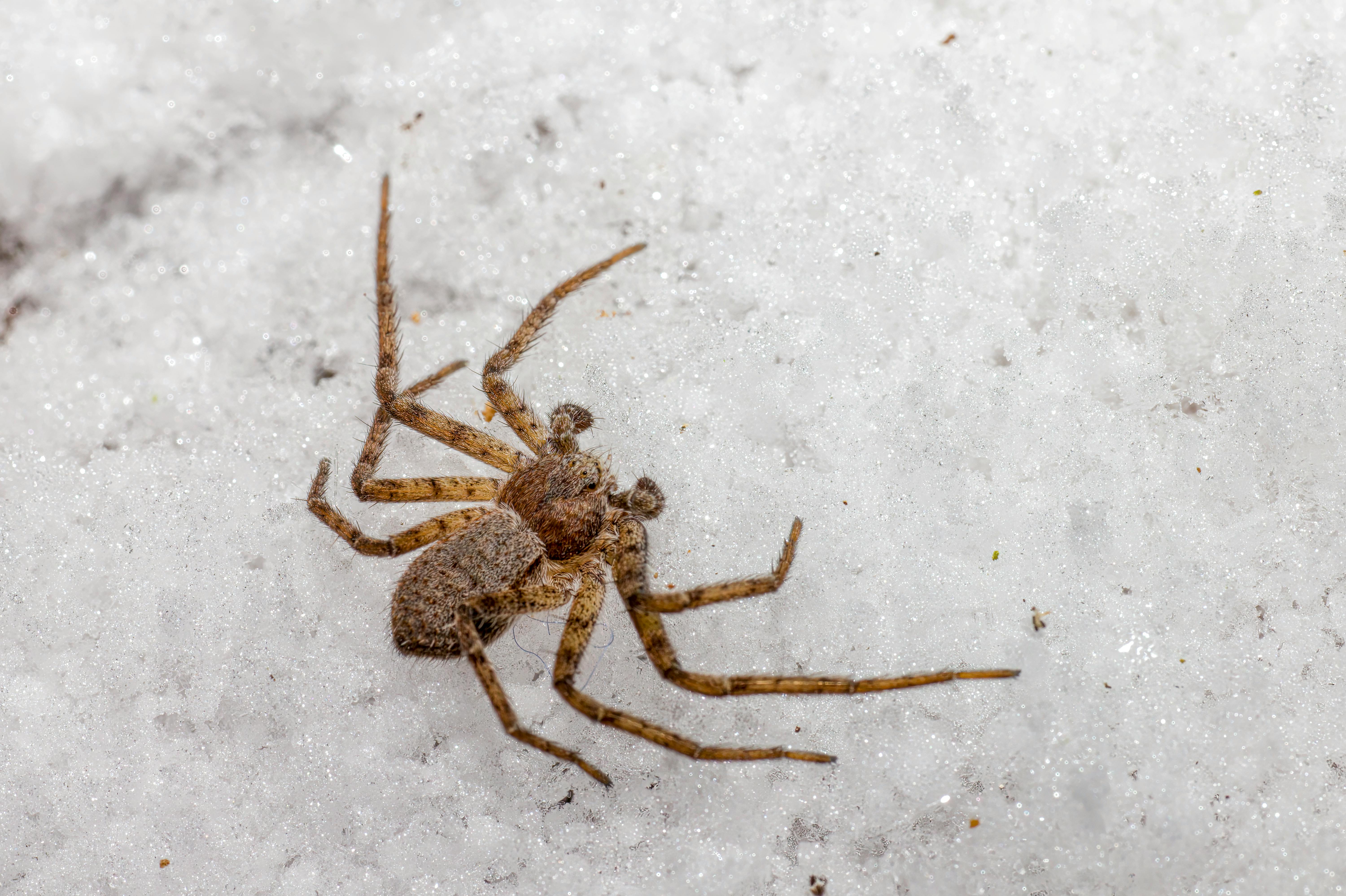
As winter arrives, your home becomes a refuge—not just for you and your family, but for pests, too. Common winter pests like ants, bed bugs, cockroaches, mice, and rats are notorious for seeking refuge in warm indoor spaces, often seeking warmth, food, and shelter. Preparing for potential winter pest problems will help you stay one step ahead and prevent potential infestations. By taking preventive measures, you not only safeguard your home but also ensure your family stays safe and healthy.
This short guide will help you understand how to keep unwanted guests out of your home this season.
Seal Cracks and Openings
Your home’s exterior is the first line of defense against insect and pest infestations. Take time to inspect common entry points. Seal visible cracks and holes with durable, weather-resistant materials, such as silicone-based caulk, for a flexible and long-lasting seal that withstands temperature fluctuations. Prioritize foundational gaps and spaces around windows. Weatherstripping for doors and windows further fortifies your defenses, preventing even the smallest ants from wriggling in.
Remove Debris and Clutter
The state of your yard directly impacts pest activity. Before winter, clean up all debris, focusing on fallen leaves, branches, and general garden waste that could encourage pests to enter your home. These areas can serve as perfect breeding grounds for pests, providing conditions for nesting. Consider planting pest-repellent plants such as lavender or marigolds near common yard hotspots. Firewood, if necessary, should be stacked at least 20 feet from your house. Remember to keep garbage containers closed and tidy to deter lingering pests looking for food.
Inspect Roof and Gutters
Maintaining your roof and gutters is crucial to keeping your home critter-free. A compromised roof might invite trouble, so check for broken shingles and repair any detected damage. Regularly check the attic for signs of light penetration, which can indicate potential entry points for pests. Gutters should be regularly cleaned to prevent stagnant water that could attract mosquitoes and other bugs. Trim any overhanging branches that could serve as rodent highways directly to your roof.
Maintain a Clean and Organized Home
Inside your home, tidiness is a powerful deterrent. Vacuuming and sweeping will help eliminate crumbs and food remnants that attract pests. Use natural deterrents like peppermint oil or citrus to wipe down surfaces, leaving a pleasant scent that keeps pests at bay. Store food in airtight containers, making it inaccessible to pests with a keen sense of smell. Promptly clean spills to avoid residues that breed unwanted attention. Decluttering rooms and storage spaces reduce hiding places for rats and crawling insects, making them less inclined to settle in.
Conduct Routine Inspections
Regularly check your home both inside and out. Create a checklist to methodically inspect each part of your home, ensuring no potential pest problem goes unnoticed during your routine checks. Look for signs of pest activity, such as droppings, pathways, eggs, or scratch marks. Areas susceptible to infestation need more frequent reviews. For instance, basements, attics, and crawl spaces are prone to hosting uninvited visitors. Early detection of pest infestation signs lets you address potential issues early.
Consider DIY Pest Control
If you find pests in your home, you can consider using effective DIY pest control solutions. This will save both time and money by avoiding costly pest control services and opting for professional-grade products that tackle everything from flying insects to rodents. With the right expert guidance, you can confidently eliminate roaches, fleas, bed bugs, mosquitoes, termites, and more. The secret lies in using the same reliable supplies that professionals trust, ensuring a fast and efficient pest control process. Keep your home pest-free and maintain peace of mind by choosing the right pest control products.
Stay Vigilant When Dealing With Pests
Winter pests can be a hassle, but with some forethought, you can keep them out. Implement the strategies we’ve discussed, and you’ll protect your home from these invaders. While preventative steps always help prevent major issues, staying vigilant is crucial when dealing with winter pests that aren’t always easy to notice. Most of them, especially crawling insects, will hide in places where you don’t frequently check, exploiting any minor vulnerabilities in your home’s defenses. Continuous awareness and proactive measures are vital in maintaining a pest-free environment.




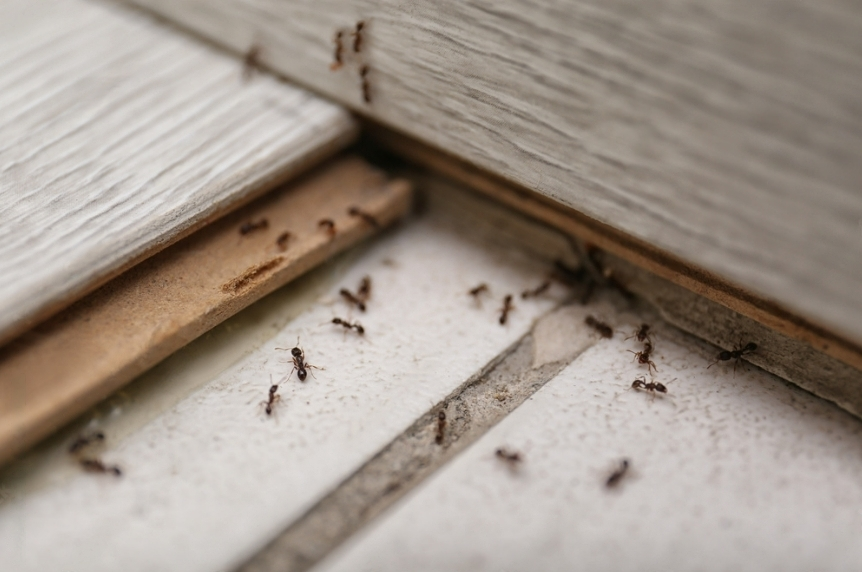

Pests have always been a constant threat among families and businesses.
Learn how they damage homes and offices in Sydney, and what the control measures needed.https://safepestcontrol.net.au/pests-found-in-sydney-australia/