


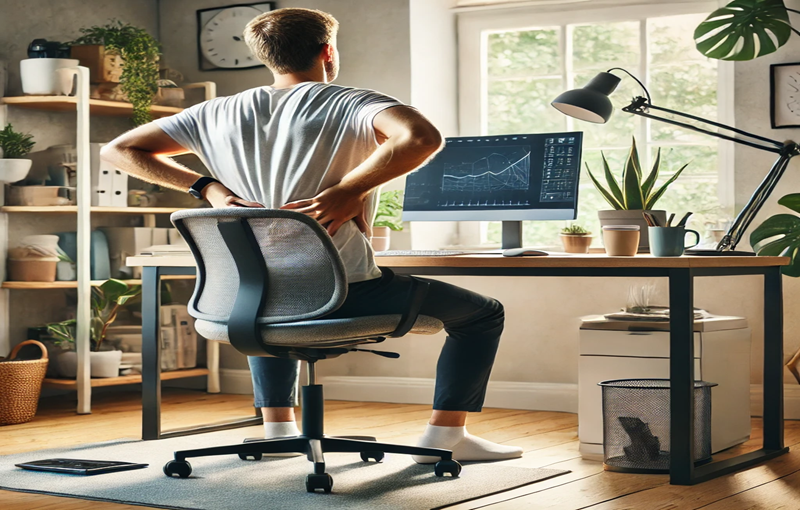
When it comes to our health, especially our posture, there are a lot of little things that can cause big problems if left unaddressed. One of these issues is called posterior pelvic tilt. Sounds fancy, right? But don’t worry, we’re going to break it down so it’s simple to understand. If you’ve ever experienced lower back pain or found that your posture isn’t what it used to be, this blog will help you understand why that might be happening and what you can do about it.
What is It?
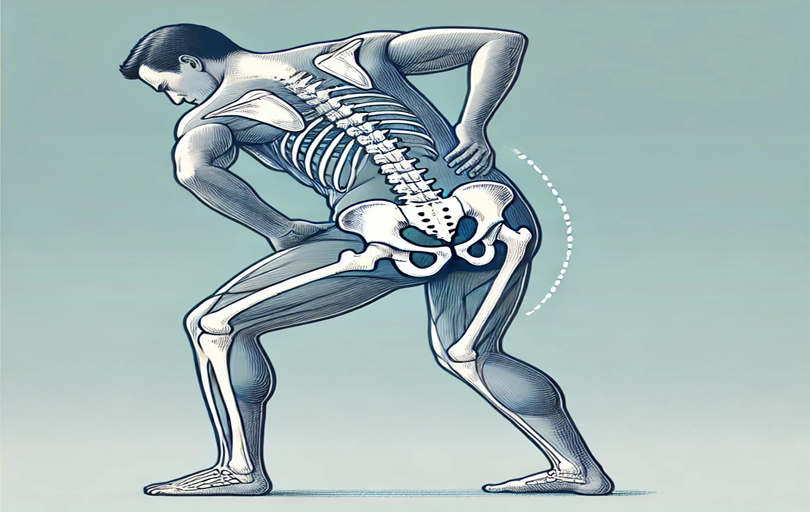
Imagine that your pelvis is a bowl filled with water. If you tip the bowl backward, the water would spill out the back. When your pelvis tilts this way, it’s called a backward tilt. This might sound like a small movement, but it can create a lot of discomfort and even cause other parts of your body to hurt.
Why Does It Happen?
One of the main reasons for this tilt is weak muscles. Your body relies on muscles to hold your bones in place. When some muscles are too tight and others are too weak, your body falls out of its natural alignment. It’s like having a wobbly wheel on a bike—the ride won’t be smooth, and it can even lead to more damage if not fixed.
The muscles that are often involved include the hip flexors, glutes (your butt muscles), and lower back muscles. If these muscles are out of balance, the pelvis can tilt backward. People who sit for long periods, like in school, at work, or during long drives, are more likely to develop this problem. This is because sitting too much can cause some muscles to get tight and others to weaken over time.
How Do You Know If You Have It?
Great question! It’s not always obvious. A common sign is having a flat lower back. Usually, the spine should have a gentle curve at the bottom, but with this issue, that curve flattens. You might also experience:
- Lower back pain
- Tight hamstrings (the muscles at the back of your thighs)
- Poor posture
If you’re experiencing any of these, it might be time to see a professional to get a proper diagnosis.
Addressing the Issue: Chiropractic Strategies
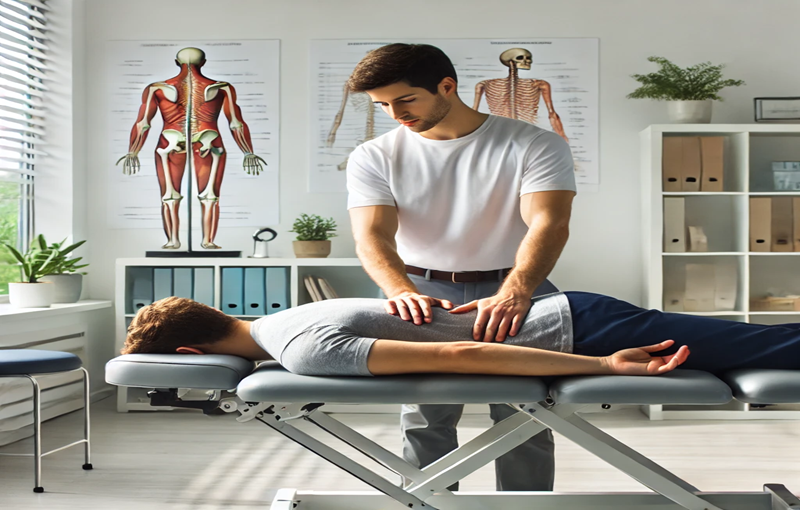
Chiropractic care is one approach that focuses on the body as a whole to help fix problems like this. Chiropractors are experts in the alignment of your spine and pelvis, and their goal is to help you get back to a more natural position. At places like the Legacy Clinic of Chiropractic in The Villages, FL, they use specific techniques to address the root causes of poor pelvic positioning.
Realigning Your Pelvis
Chiropractors can use gentle adjustments to realign the pelvis and spine. These adjustments aim to reduce tension and improve movement. When the pelvis is properly aligned, the muscles around it have a chance to relax and strengthen in a more balanced way.
Strengthening Weak Muscles
Since weak muscles are a primary cause, strengthening them is an essential part of fixing the problem. Chiropractors often suggest exercises or stretches that target the glutes, hip flexors, and lower back muscles. These exercises aren’t just about getting stronger—they’re also about making sure all the muscles work together the way they’re supposed to.
For example, simple exercises like glute bridges and hip stretches can help activate the right muscles and get them working again. Chiropractors will guide you through these exercises to ensure you’re doing them correctly.
Improving Your Posture
Chiropractors can help you understand what good posture looks like and why it’s important. They may give you tips and tricks to remember, like keeping your shoulders back and not slouching when you sit. Over time, these small changes can make a big difference.
The Importance of Addressing This Issue Early
When it comes to posture problems, the sooner you address them, the better. If left untreated, it can lead to other issues like:
- Chronic lower back pain
- Muscle imbalances in other parts of your body
- Poor mobility and flexibility
By taking steps to fix this early on, you can avoid more significant problems down the road.
How to Prevent Problems
Preventing this type of issue comes down to maintaining good habits and keeping your muscles balanced. Here are some easy-to-remember tips:
- Stay Active: Avoid sitting for too long at a time. If you’re sitting at a desk, get up and move every hour.
- Stretch Regularly: Stretch your hip flexors and hamstrings to keep them from getting too tight.
- Strengthen Your Core: A strong core helps stabilize your spine and pelvis, making it easier to keep good posture.
When Should You See a Chiropractor?
If you’re experiencing posterior pelvic tilt symptoms like lower back pain, a flat lower back, or even discomfort when sitting or standing for long periods, it might be time to visit a chiropractor. They can assess your posture and check for signs of misalignment. From there, they can create a plan that addresses your unique needs.
The Legacy Clinic of Chiropractic in The Villages, FL specializes in these kinds of treatments. Their goal is to help you understand what’s going on in your body and give you the tools and guidance to fix it. Whether you need chiropractic adjustments or specific exercises, they’re there to help.
Final Thoughts
This type of pelvic tilt might sound like a complicated term, but it’s really just about understanding how your body works and taking steps to keep it in balance. Remember, the root causes often come down to weak muscles and imbalances from sitting too much. By focusing on strengthening the right muscles and improving your posture, you can make a big difference.
If you think you might be dealing with posterior pelvic tilt weak muscles issues, don’t hesitate to reach out to a professional like a chiropractor. They’re trained to find the source of your problem and guide you on a path to feeling better. By working together, you can get back to enjoying life without the pain and discomfort that comes with poor posture.
In summary, taking care of your body now can help prevent bigger problems later. Keep moving, stay active, and if something doesn’t feel right, get it checked out. Your body will thank you!


Complete pelvic floor exercise guide for safe exercise with pelvic floor problems.
Pelvic Floor Physiotherapist guidance for safe core exercises, strength, fitness and weight management exercises, pelvic floor strengthening and unsafe exercises to modify or avoid.Buy now