Introduction to NIR Cameras
Near infrared (NIR) camera technology is revolutionizing patient care monitoring systems. The NIR camera provides improved visibility and detail by capturing images in low light, which makes it a vital tool for a variety of medical applications. The way medical staff monitor patients has changed as a result of this technology, guaranteeing better results and raising the standard of treatment generally.
Understanding NIR Technology
NIR cameras operate using wavelengths between 700 nm and 1400 nm, which are not visible to the human eye. This unique capability allows NIR cameras to detect and analyze biological signals without the interference of ambient light. As a result, healthcare providers can gather critical information about patient conditions in real-time, even in dark environments or during surgical procedures.
Advantages of NIR Cameras in Patient Monitoring
Enhanced Visualization in Low-Light Conditions
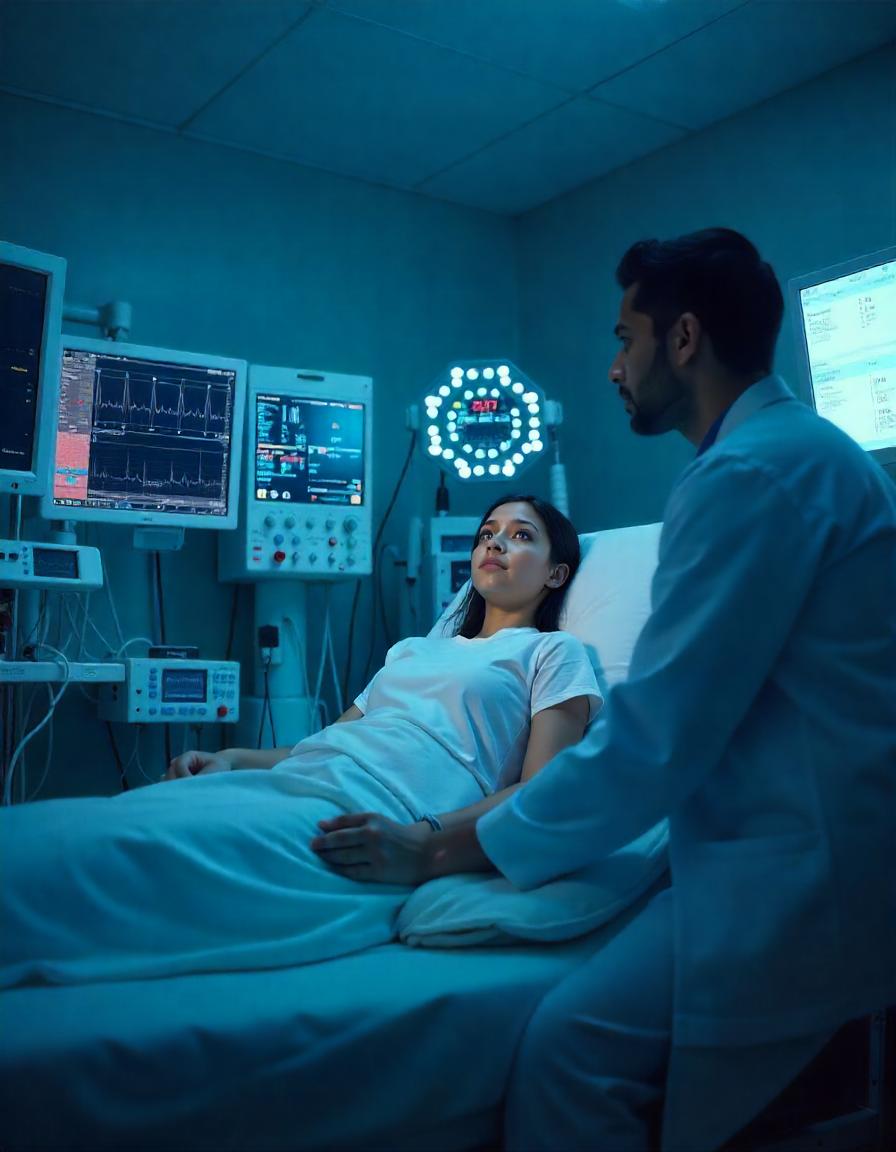
One of the most significant advantages of using NIR cameras in patient care monitoring systems is their ability to provide clear images in low-light conditions. This feature is particularly beneficial in environments such as operating rooms or intensive care units, where lighting can be challenging. The enhanced visualization enables healthcare professionals to monitor vital signs and conditions more effectively, leading to timely interventions.
Improved Detection of Vascular Conditions
NIR cameras are particularly effective in detecting vascular conditions. They can penetrate the skin's surface, allowing for better visualization of blood vessels and other underlying structures. This capability is crucial for assessing circulatory issues and monitoring patients with diabetes or peripheral artery disease. By utilizing NIR camera technology, clinicians can identify problems early, potentially preventing serious complications.
Non-Invasive Monitoring
With the increasing emphasis on non-invasive procedures in healthcare, NIR cameras provide a valuable solution. These cameras allow for patient monitoring without the need for invasive techniques that can cause discomfort or risk infection. For example, using NIR technology to assess blood flow or oxygen saturation can be done without the need for needles or other invasive methods, enhancing patient comfort and satisfaction.
Applications of NIR Cameras in Healthcare
Surgical Procedures
In surgical settings, NIR cameras are invaluable for ensuring precision and safety. Surgeons can use these cameras to visualize blood vessels and tissues, helping to minimize damage during procedures. This real-time imaging capability improves surgical outcomes and can reduce recovery times for patients.
Patient Vital Sign Monitoring
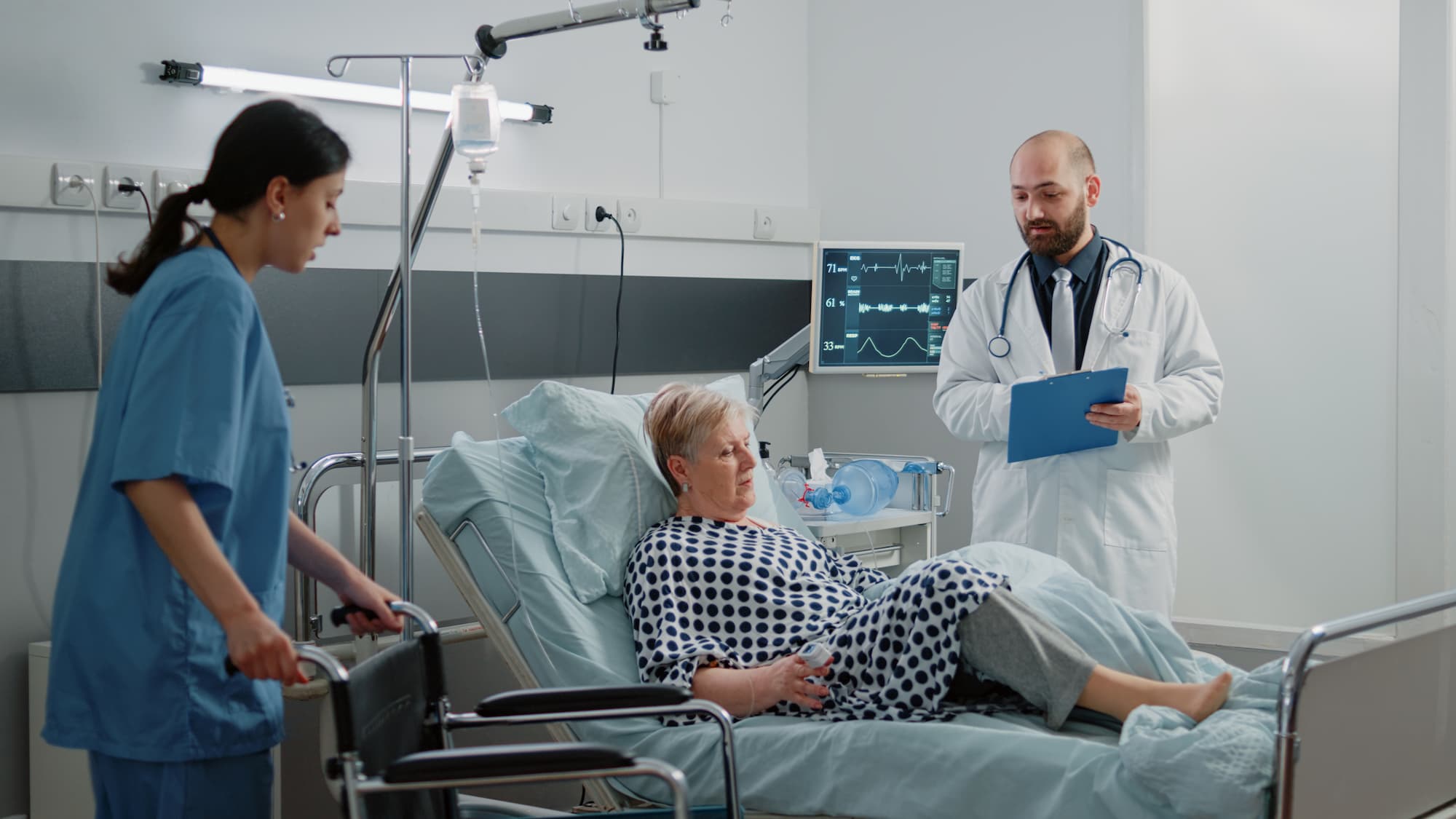
NIR camera technology plays a vital role in continuous monitoring of patient vital signs. By integrating these cameras into monitoring systems, healthcare providers can track parameters such as heart rate, respiratory rate, and blood oxygen levels more accurately. This continuous surveillance is especially important for critically ill patients who require constant oversight.
Telemedicine and Remote Monitoring
The rise of telemedicine has further expanded the role of NIR cameras in patient care. These devices can be used in remote monitoring systems, allowing healthcare professionals to assess patients' conditions without requiring them to visit a healthcare facility. This innovation is particularly beneficial for patients in rural areas or those with mobility challenges, ensuring they receive the care they need promptly.
Future Directions in NIR Camera Technology
As technology continues to evolve, the applications of NIR cameras in patient care will expand even further. Research is ongoing to improve camera sensitivity and resolution, enabling even more precise monitoring. Moreover, advancements in artificial intelligence will likely enhance the analytical capabilities of NIR camera systems, leading to more accurate diagnoses and treatment plans.
By leveraging the benefits of NIR camera technology, healthcare providers can significantly improve patient outcomes and redefine monitoring practices in the medical field. This innovation not only enhances the quality of care but also paves the way for a more efficient and effective healthcare system.