


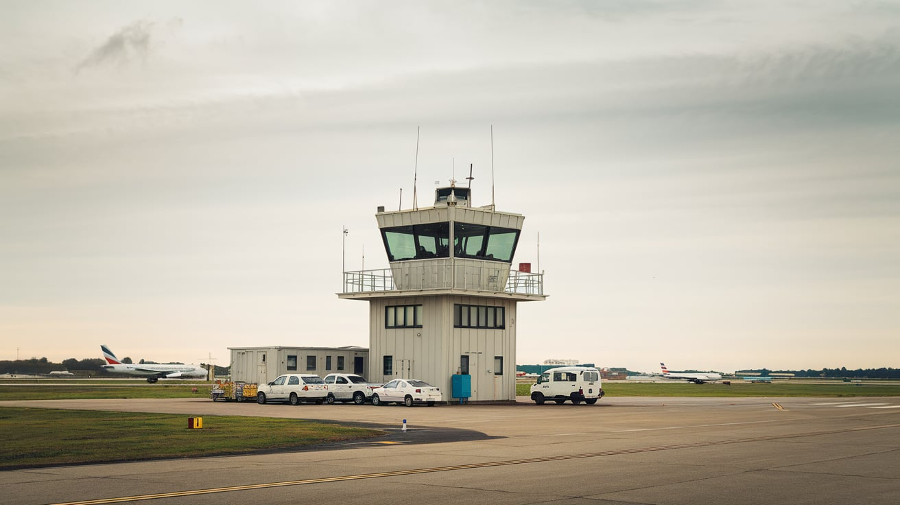
Remote Towers are redefining the future of air traffic control, transforming traditional operations with digital solutions that increase efficiency and reduce infrastructure costs. Designed originally for airports with low traffic volumes, remote towers are now deployed even at major international airports. The Remote Towers Industry is projected to grow significantly, from USD 0.3 billion in 2022 to USD 0.6 billion by 2027, with a CAGR of 19.6% during this period. This blog will delve into the workings of remote towers, the market growth drivers, opportunities, Key Players, recent developments, FAQs, and more.
What are Remote Towers?
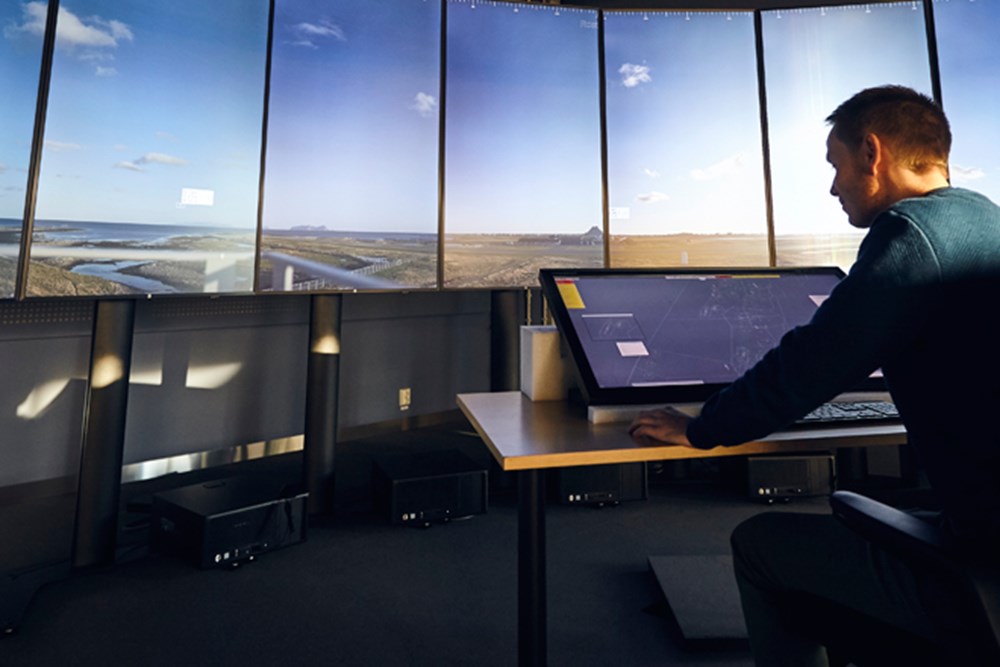
A remote tower is a system where air traffic services (ATS) are managed from a location outside the local control tower. Using advanced cameras, sensors, and digital communication systems, remote towers replicate and often enhance the traditional air traffic control experience. Operators view real-time video feeds, data, and other essential information on digital displays, allowing them to manage one or multiple airports remotely.
Originally introduced for smaller airports, remote tower technology has expanded to serve even large airports, thanks to advancements in digital and communication technologies. Major international airports in locations like London and Norway have already implemented remote tower systems, proving the concept's scalability and efficiency.
How Remote Towers Work
Remote towers utilize a combination of high-resolution cameras, sensors, and communication systems to gather data, which is then transmitted to a remote air traffic control center. The primary components include:
Remote towers can manage multiple airports from a single control center, offering significant cost savings. This functionality, known as the multiple remote tower concept, is particularly beneficial for countries with several low-traffic airports, as it consolidates control operations without compromising safety.
Download PDF Brochure: https://www.marketsandmarkets.com/pdfdownloadNew.asp?id=202956087
Remote Towers Market Growth Drivers
Several factors are driving the growth of the Remote Towers Market, making it a transformative technology in air traffic management.
Remote Towers Market Opportunities
The remote towers market offers various opportunities for growth and innovation, driven by emerging digital technologies and increased demand for efficient air traffic management.
Ask for Sample Report: https://www.marketsandmarkets.com/requestsampleNew.asp?id=202956087
Key Players in the Remote Towers Market
The remote towers market features several leading companies that develop and supply systems to support remote air traffic management. Key players include:
- Saab (Sweden): A major player known for pioneering remote tower systems, with installations in Norway and Sweden.
- Thales Group (France): Offers advanced solutions for remote towers and has a strong presence in Europe and Asia.
- Frequentis Group (Austria): Provides communication and information systems for air traffic management and remote tower solutions.
- Indra Sistemas (Spain): Involved in digital tower projects with a focus on integrating augmented reality and AI.
- L3Harris Technologies (US): Supplies technology solutions for various air traffic management applications, including remote towers.
Recent Developments in the Remote Towers Market
Frequently Asked Questions (FAQs)
1. What is the current size of the remote towers market?The global remote towers market is expected to grow from USD 0.3 billion in 2022 to USD 0.6 billion by 2027, at a CAGR of 19.6%.
2. Who are the major players in the remote towers market?Key players include Saab (Sweden), Thales Group (France), Frequentis Group (Austria), Indra Sistemas (Spain), and L3Harris Technologies (US).
3. How has COVID-19 impacted the remote towers market?COVID-19 has led to reduced air traffic, delaying several remote tower projects and affecting research and development efforts. However, as air travel rebounds, the market is expected to recover and grow.
4. What technological advancements are shaping the remote towers market?Technologies such as augmented reality, AI, machine learning, and digital displays are shaping the future of remote towers by enhancing automation, safety, and situational awareness.
5. What are the major growth drivers for the remote towers market?Key drivers include cost savings, increased safety, digital transformation in aviation, and government initiatives for air traffic modernization.
To Gain Deeper Insights Into This Dynamic Market, Speak to Our Analyst Here: https://www.marketsandmarkets.com/speaktoanalystNew.asp?id=202956087
Key Takeaways
- Rapid Market Growth: The Remote Towers Market is set to grow at a CAGR of 19.6% from 2022 to 2027, driven by cost efficiency and enhanced safety benefits.
- Major Players: Leading companies in the market include Saab, Thales Group, Frequentis, Indra Sistemas, and L3Harris Technologies.
- Technological Advancements: AI, augmented reality, and digital integration are transforming the remote towers landscape, improving air traffic control capabilities.
- Geographic Expansion: Europe is a key region for remote tower adoption, with significant projects in Norway, the UK, and Germany.
- COVID-19 Impact: The pandemic has affected market growth but is expected to rebound as air traffic recovers.
Remote towers represent the future of air traffic management, enabling airports to enhance safety and reduce costs through digital innovation. The continued advancements in this technology are likely to make remote towers an integral part of global air traffic operations.


It discusses industry and technology trends that are currently prevailing in the market and analyzes the factors that drive and restrain the growth of the market as well as the challenges faced by the market.
Factors such as increased cost savings and enhanced safety and efficiency in Air Traffic Management (ATM) operations using remote towers are expected to drive the growth of the market.
In March 2019, the Brazilian air navigation service provider selected Frequentis to provide Remote-control tower visualization system (SVR-TWR) for the Santa Cruz Airfield.
In the same period, Raytheon signed an agreement with Frequentis to upgrade the airport operations of the US, where the civil airport operations of the US will be upgraded with the help of remote virtual tower technology.The remote towers market is segmented based on operation type, system type, application, and region.
London’s Heathrow Airport, which has a contingency remote tower installed, can control 70% of air traffic in case of emergency or very heavy traffic flow.Get PDF Brochure: https://www.marketsandmarkets.com/pdfdownloadNew.asp?id=202956087Based on system type, the airport equipment segment is projected to grow at the highest CAGR during the forecast period.
Due to heavy air traffic, controllers are facing high pressure in terms of managing and planning, which is also resulting in delays and increasing costs.