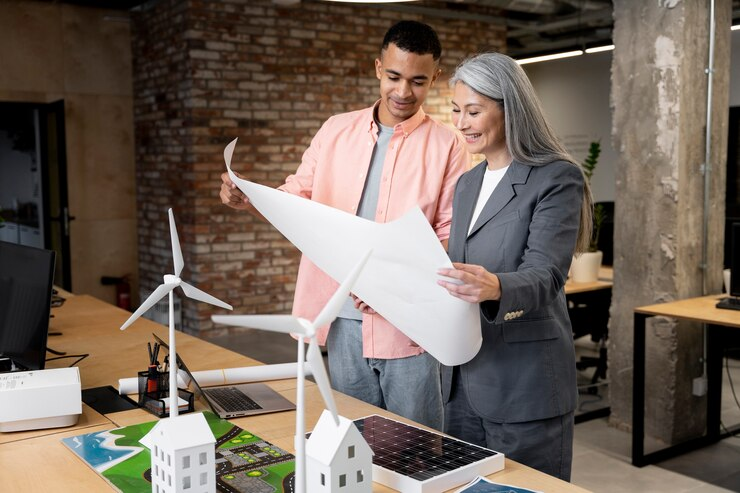
As the world shifts towards sustainable development, the concept of Zero Energy Buildings has gained significant traction, particularly in the commercial sector. A Zero Energy Building is one that produces as much energy as it consumes. It uses renewable energy sources and energy-efficient technologies. The adoption of ZEBs in commercial spaces is not just about environmental responsibility, it also offers a range of practical benefits that can enhance the bottom line. This article will present you with some key benefits of Zero Energy Buildings in the commercial sector.
Benefits Of Zero Energy Building In Commercial Sector
1. Significant Cost Savings
One of the most immediate advantages of Zero Energy Buildings is the potential for significant cost savings. By generating their own energy through renewable sources like solar panels, these buildings reduce or eliminate the need for traditional energy consumption. This leads to lower energy bills and reduced operational costs. Over time, the investment in ZEB technologies, such as super low energy systems, pays off by lowering the financial burden of energy usage. For commercial entities that operate on large scales, these savings can be substantial.
2. Energy Efficiency and Sustainability
Zero Energy Buildings are designed with energy efficiency as a core principle. These buildings often utilize advanced insulation, efficient lighting systems, and optimized HVAC systems to minimize energy wastage. By focusing on low energy consumption, ZEBs significantly reduce their carbon footprint, contributing to a more sustainable future. This not only benefits the environment but also helps businesses meet increasingly stringent sustainability regulations and standards. As more companies adopt environmental, social, and governance (ESG) goals, ZEBs help align corporate strategies with global sustainability initiatives.
3. Enhanced Occupant Comfort and Well-Being
Zero Energy Buildings prioritize indoor air quality, natural lighting, and temperature control, ensuring that the environment is comfortable for occupants. Research has shown that employees working in environments with good air quality and adequate natural lighting are more productive and experience fewer health-related issues. By adopting super low energy designs that include energy-efficient windows and ventilation systems, commercial spaces can maintain a comfortable indoor climate while minimizing energy use. This leads to happier, healthier, and more productive employees, benefiting the business overall.
4. Increased Property Value
Commercial buildings that meet Zero Energy standards are considered premium properties in the real estate market. The ability to operate with minimal energy consumption and reduced environmental impact increases the property’s appeal to eco-conscious tenants and investors. In addition, Zero Energy Buildings often have lower long-term maintenance costs due to the use of durable, high-efficiency materials and systems. These factors contribute to a higher property value, making ZEBs a smart investment for property owners and real estate developers.
5. Resilience Against Energy Price Fluctuations
Energy prices are volatile and can fluctuate due to various factors such as market demand, geopolitical tensions, or changes in government policies. Zero Energy Buildings are less dependent on traditional energy sources, which protects them from these fluctuations. By generating their own energy and relying on super low energy consumption, ZEBs offer a level of energy security and price stability. This resilience ensures that businesses can continue operations without worrying about sudden spikes in energy costs, further reinforcing the financial benefits of adopting ZEB technology.
6. Contribution to Corporate Social Responsibility (CSR)
Sustainability is an increasingly important aspect of corporate social responsibility (CSR). Businesses are expected to reduce their environmental impact and contribute to a greener planet. Zero Energy Buildings help companies meet their CSR goals by reducing greenhouse gas emissions, conserving natural resources, and minimizing waste. This, in turn, enhances the company’s reputation and can attract more customers who value sustainability. In a competitive marketplace, adopting eco-friendly practices such as ZEBs can differentiate a company and strengthen its brand.
Conclusion
The commercial sector stands to gain significantly from adopting Zero Energy Buildings. From cost savings and energy efficiency to enhanced occupant comfort and increased property value, the benefits are extensive. As businesses continue to seek ways to reduce their carbon footprint and align with sustainability goals, the implementation of super low energy technologies in Zero Energy Buildings offers a pathway to a more sustainable and resilient future.


Global Net-Zero Energy Buildings (NZEBs) Market is expected to reach USD 78.79 billion by 2025.
Net-Zero Energy Building (NZEBs) is also termed as zero-energy building, zero net energy (ZNE), or net zero building are commercial or residential building with significantly reduced energy need.
The Net-Zero Energy Buildings (NZEBs) Market is estimated to grow at a significant CAGR over the forecast period as the scope and its applications are rising enormously across the globe.Net-Zero Energy Building (NZEBs) Market is segmented based on equipment type, services, application, and region.
HVAC systems, lighting, walls & roofs, and other equipment types could be explored in Net-Zero Energy Building (NZEBs) in the forecast period.
HVAC systems sector accounted for the substantial market share and is estimated to lead the overall market in the coming years.Consulting & designing and software are the two main services that could be explored in Net-Zero Energy Building (NZEBs) in the forecast period.
Software’s are mainly used by consultants, architects, designers, and engineers and comprises of various designing tools like AutoCAD and CAD.
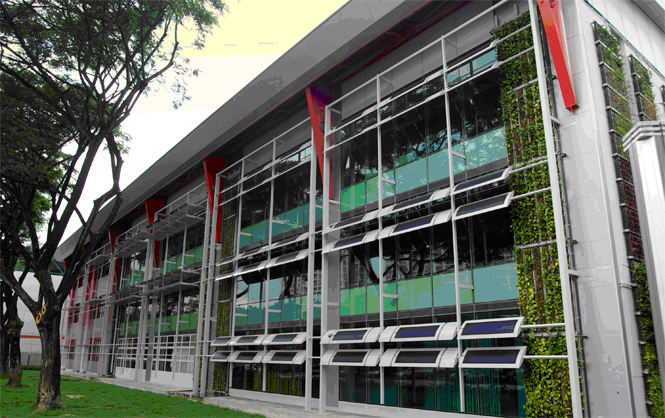
A zero-energy building, also known as a zero net energy (ZNE) building, net-zero energy building (NZEB), or net zero building, is a building with zero net energy consumption, meaning the total amount of energy used by the building on an annual basis is roughly equal to the amount of renewable energy created on the site, or in other definitions by renewable energy sources elsewhere.
These buildings consequently contribute less overall greenhouse gas to the atmosphere than similar non-ZNE buildings.
They do at times consume non-renewable energy and produce greenhouse gases, but at other times reduce energy consumption and greenhouse gas production elsewhere by the same amount.
A similar concept approved and implemented by the European Union and other agreeing countries is nearly Zero Energy Building (nZEB), with the goal of having all buildings in the region under nZEB standards by 2020.The need for a transitioning to a low-carbon economy in order to develop energy-efficient solutions and reinvent the existing as well as new infrastructure is anticipated to elevate the demand for net-zero energy.
Various initiatives such as WGBC, EEB, and NBI have been undertaken by global authorities to create awareness regarding the benefits of green, low-carbon emission, and nearly-zero energy buildings.
Report Sample includes:- Table of Contents- List of Tables & Figures- Charts- Research MethodologyGet FREE Sample of Zero-Energy Building (ZEB) Market Report In 2018, the global Zero-Energy Building (ZEB) market size was 8140 million US$ and it is expected to reach 18300 million US$ by the end of 2025, with a CAGR of 10.7% during 2019-2025.