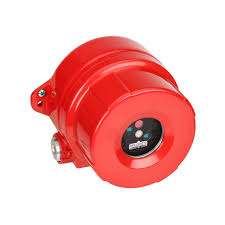



In marine environments, safety is paramount, especially in high-risk areas like engine rooms, boiler compartments, and fuel storage areas. Flame detection systems play a critical role in identifying potential fire hazards early, enabling quick responses and reducing the likelihood of catastrophic fires. Among various flame detection technologies, UV-based flame detection has proven to be particularly effective in marine settings due to its precision, rapid response, and resilience to environmental challenges.
Understanding UV-Based Flame Detection
UV-based flame detectors utilize ultraviolet sensors to identify flames. Flames emit UV radiation, which is invisible to the human eye but detectable by UV-sensitive sensors. When UV radiation from a flame is detected, the flame detector triggers an alarm. This technology is highly effective in identifying flames quickly, even in challenging conditions, and is less likely to generate false alarms compared to other flame detection methods.
Why UV-Based Detection is Ideal for Marine Applications
Marine vessels operate in unique and demanding environments, facing factors like vibration, humidity, and variable temperatures. Traditional flame detection systems can struggle with false alarms triggered by environmental factors like sunlight reflections, welding arcs, or electrical sparks. UV-based detectors are better equipped to avoid these issues, as they are specifically designed to respond to the unique UV signatures produced by open flames, ignoring other types of light emissions. This makes them reliable and precise, especially in confined or high-risk spaces on vessels.
Another advantage of UV-based flame detection is its rapid response time. In confined spaces like engine rooms, every second counts when a fire threat emerges. UV flame detectors can detect flames within milliseconds, giving crew members and automated safety systems enough time to act before a fire spreads.
Saacke’s Contribution to Marine Safety with UV Detection
Saacke’s UV-based flame detection products, like the FLUS 06 and FLS 09 UV 5, have been engineered specifically for marine use, offering advanced flame detection that enhances vessel safety. These detectors are compact, rugged, and designed to withstand harsh maritime conditions, ensuring reliable performance over extended periods. Additionally, UV-based systems like these are easier to maintain and provide consistent results, reducing the need for constant recalibration—a crucial factor in reducing maintenance workload on vessels.
Conclusion
UV-based flame detection is indispensable for modern marine vessels, offering unmatched accuracy, rapid response, and minimal false alarms. For shipowners and operators, investing in reliable UV-based detectors like those offered by Saacke means better protection of crew, assets, and the marine environment. With their robust, specialized design, UV-based flame detectors provide a safer, more secure voyage, ensuring that vessels meet rigorous safety standards while operating with confidence in challenging marine conditions.

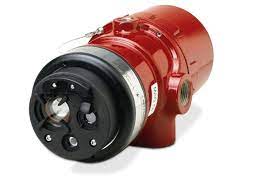
COVID-19 Impact Analysis on IR Flame Detector Market report published by Value Market Research provides a detailed market analysis comprising market size, share, value, growth and trends for the period 2020-2027.
The report encompasses data regarding market share and recent developments by key players.
Moreover, this market report also covers regional and country markets in detail.The research report also covers the comprehensive profiles of the key players in the market and an in-depth view of the competitive landscape worldwide.
This section consists of a holistic view of the competitive landscape that includes various strategic developments such as key mergers & acquisitions, future capacities, partnerships, financial overviews, collaborations, new product developments, new product launches, and other developments.Get more information on "Global IR Flame Detector Market Research Report" by requesting FREE Sample Copy at https://www.valuemarketresearch.com/contact/ir-flame-detector-market/download-sampleMarket DynamicsThe market is mainly driven by rising adoption of flame detectors in oil and gas industries, growing mining activities and adoption of automation machineries.
In addition to this, government’s initiative to set new safety regulation for hazardous areas and to provide safety to their workers and staff is driving the growth of the market.
High installation cost may hamper the product demand.The research report covers Porter’s Five Forces Model, Market Attractiveness Analysis, and Value Chain analysis.