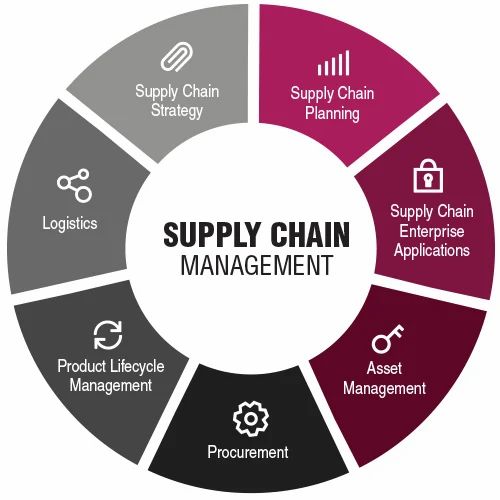
Reasons for Outsourcing Procurement Rising costs and slim profit margins have forced many companies to look for ways to cut expenses and optimize operations. Outsourcing non-core functions like procurement to specialist third-party providers has become an increasingly popular strategy to help businesses focus on their core competencies and gain operational efficiencies. Some of the key drivers that prompt companies to consider outsourcing procurement include: Lack of specialized procurement expertise internally. Maintaining a large in-house procurement team requires substantial investments in resources and training. Outsourcing allows companies to leverage the expertise of service providers that employ dedicated procurement professionals well-versed in complex supply chain management strategies. Focus on strategic priorities. Procurement is often seen as a administrative task rather than a strategic function by many organizations. Outsourcing frees up management time and resources to concentrate on more mission-critical goals like product development, marketing or customer relationships. Cost savings through economies of scale. Procurement service providers handle supply sourcing for multiple clients simultaneously. Their scale of operations enables them to negotiate better pricing and payment terms with suppliers compared to individual companies. Standardizing processes also reduces transactional costs. Access to new markets and technologies. Outsourcing partners stay on top of global trade trends and have wider supplier networks that companies may not be able to access on their own. They also invest in procurement technologies and analytical capabilities regularly to improve strategic sourcing. Reduced inventory holding costs. Effective vendor consolidation and management of inventory levels helps reduce warehousing, handling and obsolescence costs associated with excess stock. Centralization of procurement also minimizes duplicated orders and missed order fulfillment. Risk mitigation. Outsourcing transfers responsibilities like ensuring regulatory compliance, minimizing supply chain disruptions and inventory losses to third parties. Service level agreements clearly define liability in case of defaults. Benefits of Outsourcing Procurement When done right, Procurement outsourcing can generate significant bottom-line benefits for companies through reduced operating expenses and improved working capital efficiency. Some tangible benefits procurement service providers typically aim to deliver include: Cost savings in the range of 10-30% on total addressable procurement spend within a few years of outsourcing engagement. This is achieved through strategic sourcing, vendor rationalization, elimination of maverick spending and leveraging of economies of scale. Optimized inventory levels with corresponding reductions in holding and obsolescence costs. Advanced analytical capabilities and demand forecasting help achieve ideal inventory turns. Improved payment terms and receipt of early settlement discounts from suppliers amounting to 1-3% of annual procurement spend. Strict tracking of payment due dates prevents revenue leakage. Lower logistics costs as a result of consolidated shipments, optimized transportation routes and freight auditing. Centralization allows negotiating better logistics rates too. Reduced transactional overhead from streamlined procurement processes, standardized reporting and automation of routine tasks like order placement and payments. Higher supply security through diversified supplier partnerships, active risk management and robust contingency planning. This lowers potential losses from disruptions. Access to expertise and best practices keeping procurement function at the forefront of supply chain innovations. Continuous enhancements help maximize savings. Tangible non-financial benefits also accrue from improved vendor management, higher purchase order fulfillment accuracy and better inventory visibility. Overall operational efficiencies free up management bandwidth for strategic decision making. Critical Success Factors While procurement outsourcing promises significant advantages, a careful selection of the right service provider and development of a collaborative partnership model are critical to achieving expected results. Some key considerations in ensuring a successful outsourcing engagement include: Clear Define Requirements: Companies must do a thorough assessment of their procurement needs and wanted outcomes before initiating the outsourcing process. Well-defined requirements help qualified vendors provide targeted proposals. Proper Due Diligence: Shortlisting potential providers based on their domain expertise, technology capabilities, client references, financial stability and success track record is important before signing contracts. Realistic Contracts: Outsourcing agreements should have well-laid out key performance indicators, commitment to continuous improvements, review mechanisms, governance structures and flexible terms to accommodate changes. Seamless Transition: A phased transition strategy ensuring full knowledge transfer, minimal disruptions and establishment of robust interface management is key to smooth integration of outsourced activities. Governance Framework: Clear roles and responsibilities of both parties need oversight through functional teams, reviews, audits and a progress tracking system to monitor ongoing service quality and outcome. Open Communication: Honest feedback loops and resolution of issues through open discussion rather than placing blame foster trust and collaboration essential for driving enhanced results over the contract term. Benefits Realization: Setting up processes to quantify, track and report concrete pre-determined benefits aids in benchmarking the outsourcer's performance management and contract renewal. Outsourcing the procurement function to specialized third-parties presents significant opportunities to optimize costs, streamline processes and free up internal resources for companies. With careful partner selection and an optimal partnership framework however, the promised advantages of procurement outsourcing can only be fully leveraged.
Explore More Related Article On- Ransomware Protection
Discover the Report for More Insights, Tailored to Your Language.
French German Italian Russian Japanese Chinese Korean Portuguese
Vaagisha brings over three years of expertise as a content editor in the market research domain. Originally a creative writer, she discovered her passion for editing, combining her flair for writing with a meticulous eye for detail. Her ability to craft and refine compelling content makes her an invaluable asset in delivering polished and engaging write-ups.(LinkedIn: https://www.linkedin.com/in/vaagisha-singh-8080b91)