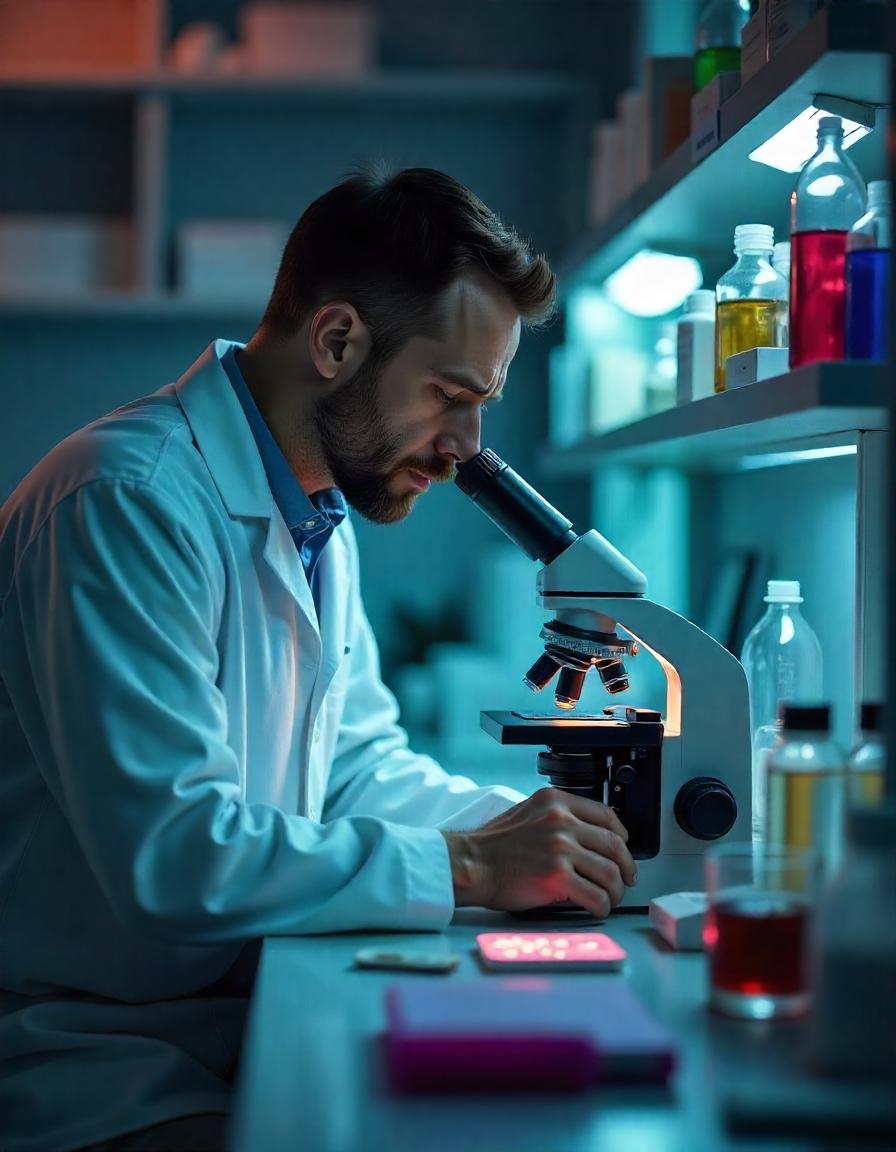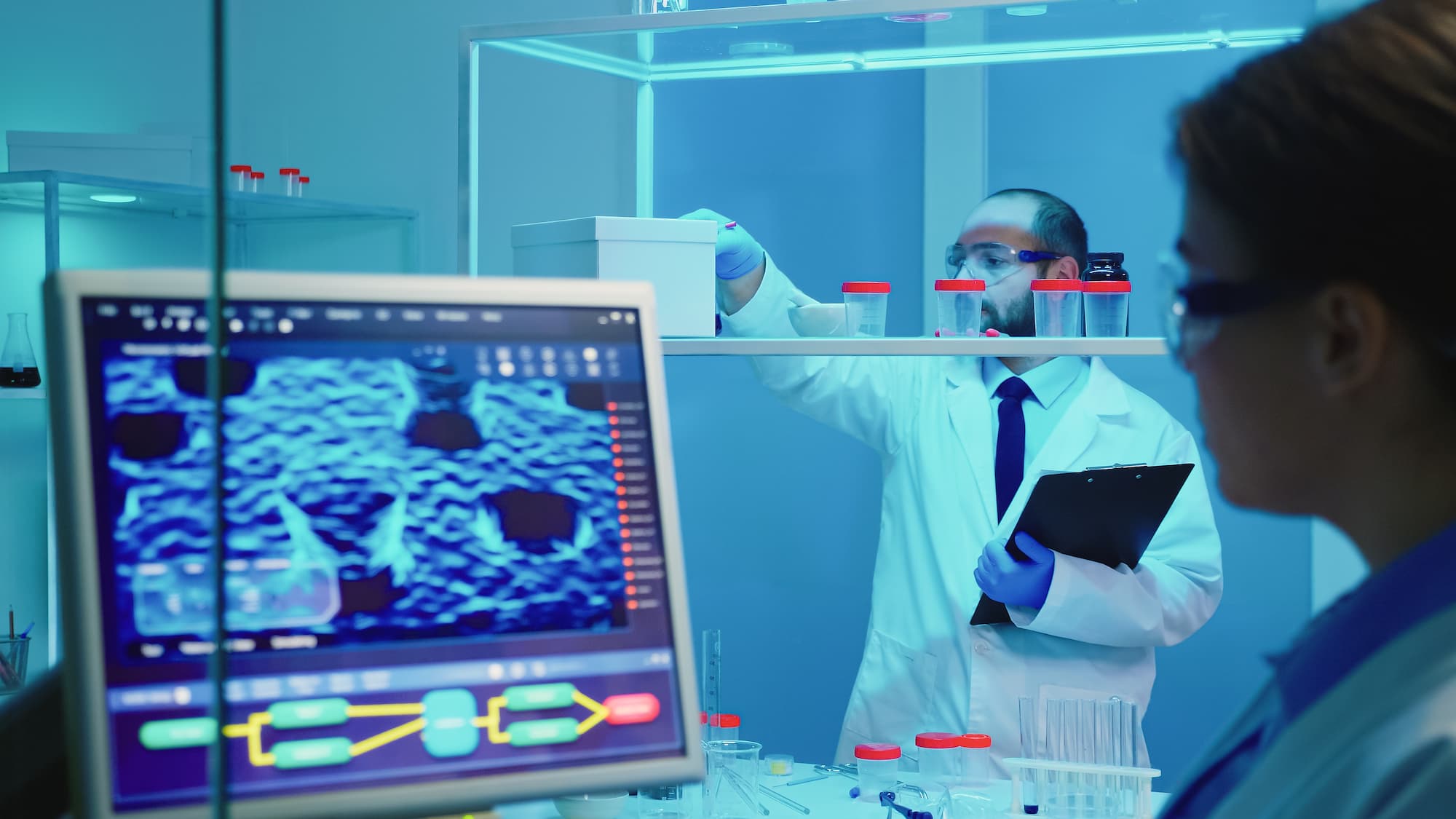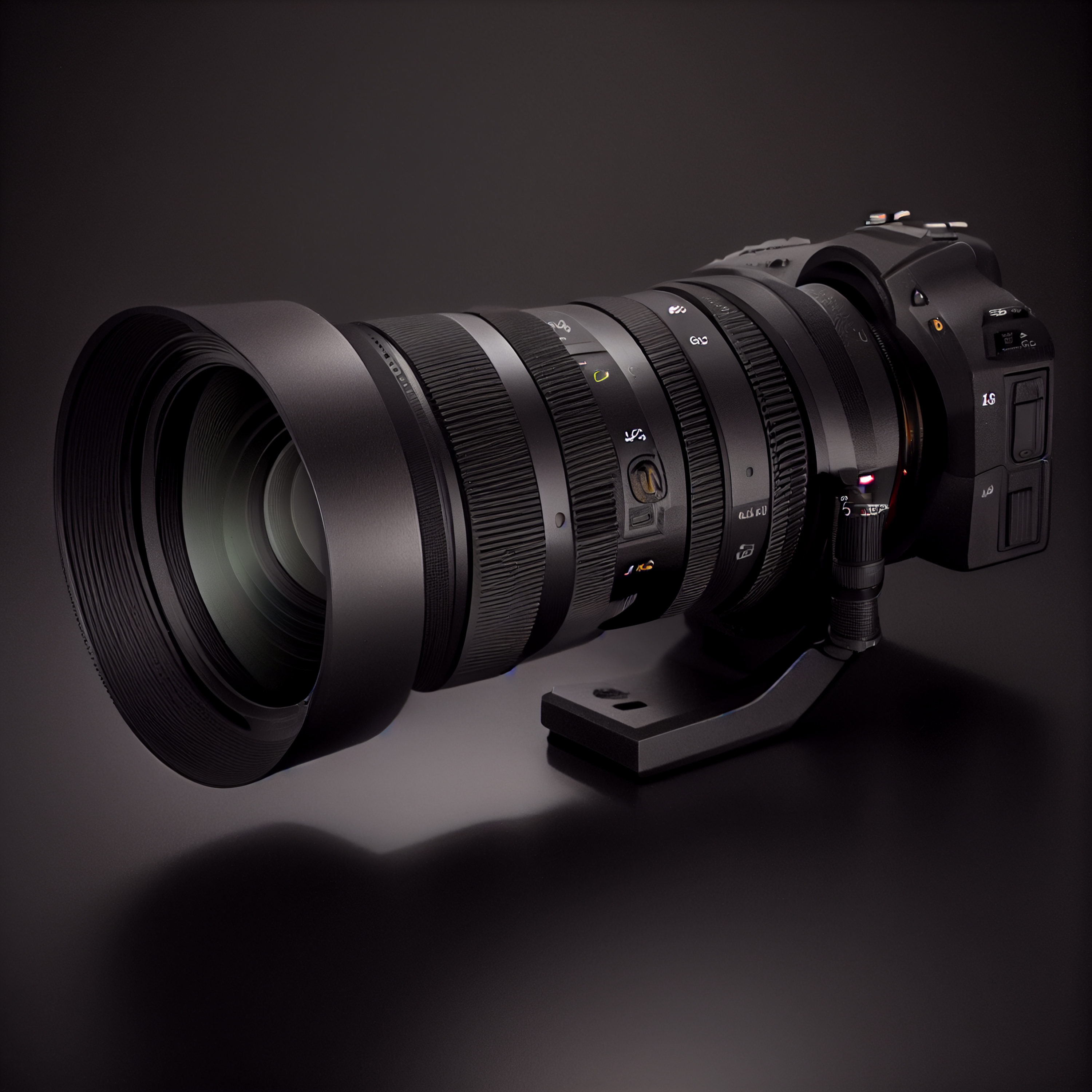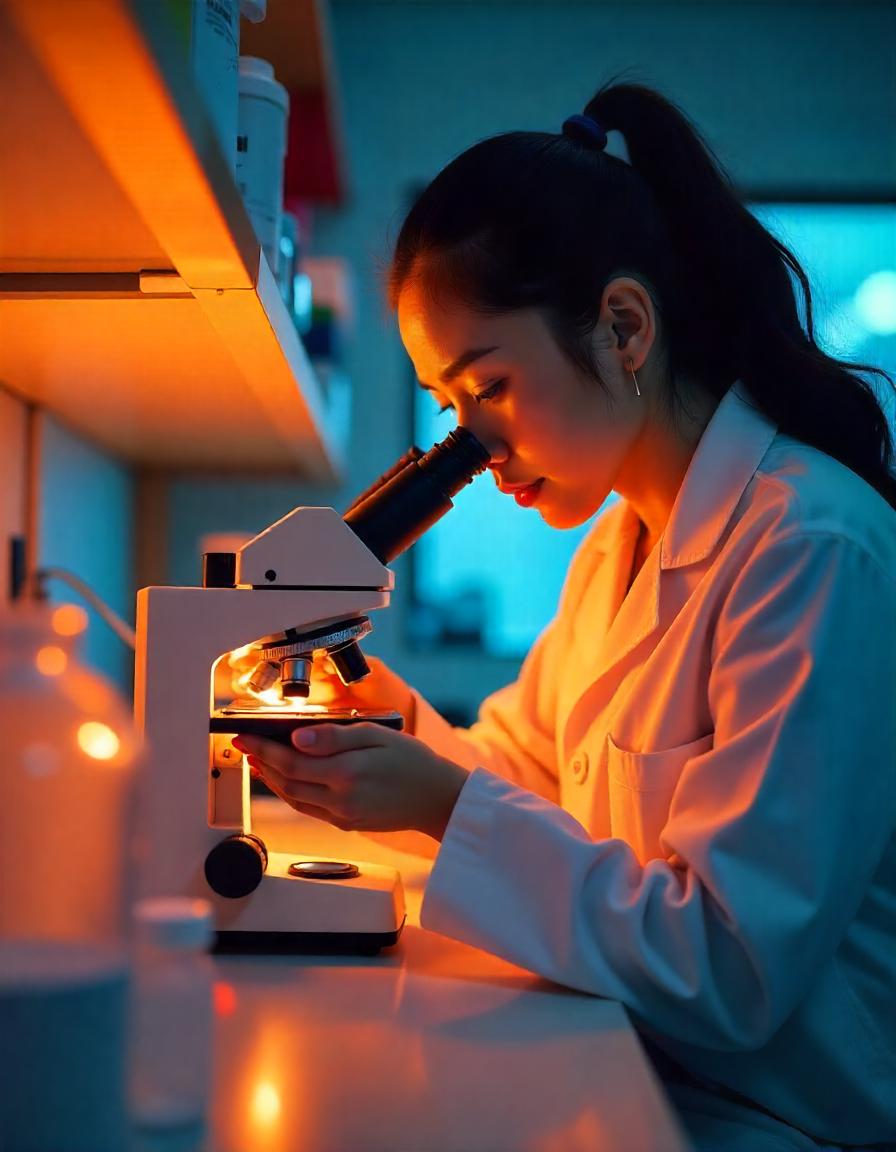
Medical imaging has emerged as a crucial diagnostic and comprehension tool in recent years, especially in the field of pathology. As medical procedures progress, so does the technology that allows for accurate image capture, storage, and analysis. The 4K USB 3.0 camera is one invention that is changing the field and transforming the way pathology labs perform high-resolution imaging. Both patients and medical professionals are benefiting from the enhanced clarity and efficiency that these cameras are bringing to pathological imaging with their capacity to capture precise images in real-time.
The Impact of 4K USB 3.0 Cameras in Pathology Imaging
The introduction of 4K resolution combined with USB 3.0 technology has been a game-changer for pathology imaging. Unlike traditional imaging tools, 4K USB 3.0 cameras deliver an exceptional level of detail, capturing even the smallest cell structures with clarity. These cameras enable pathologists to make more accurate diagnoses, as high-definition images allow for better differentiation between healthy and abnormal cells. The USB 3.0 interface further enhances performance by enabling faster data transfer rates, crucial for handling large 4K image files without lag. This advancement ensures that pathologists have instant access to images without the delays associated with lower-speed interfaces, enhancing workflow efficiency.
High-Definition Imaging with 4K USB Cameras: A Closer Look at Pathology Applications
Pathology relies heavily on imaging to diagnose diseases by analyzing tissues and cells. 4K USB cameras provide the ultra-high definition necessary for such work, offering four times the resolution of standard HD. This clarity is particularly valuable in detecting subtle cellular changes that might go unnoticed with lower-resolution cameras. In addition, 4K cameras can easily be integrated into existing digital pathology systems, making them versatile tools for upgrading lab equipment. The enhanced image quality is beneficial not only for real-time diagnosis but also for archiving and sharing images for remote consultations, allowing multiple experts to evaluate and reach accurate conclusions on complex cases.
Enhanced Speed and Efficiency: The Role of USB 3.0 in Medical Imaging
With large 4K images requiring substantial data transfer, the USB 3.0 interface plays a critical role in ensuring seamless operation. Compared to older USB standards, USB 3.0 cameras transfer data at much higher speeds, significantly reducing the time required to capture and process images. For busy pathology labs, this means faster workflows and a reduced wait time between imaging and analysis. USB 3.0's robust performance capabilities also allow for real-time adjustments to image focus and exposure, further enhancing precision. These advantages make 4K USB 3.0 cameras ideal for labs needing both speed and reliability, empowering pathologists to deliver timely and accurate results to patients.
The Benefits of Monochrome and NIR 4K USB Cameras in Pathology Labs
Beyond high-definition imaging, 4K USB cameras with monochrome and near-infrared (NIR) capabilities offer specialized benefits for pathology. Monochrome cameras are particularly useful in enhancing contrast and detail, making it easier to distinguish cellular structures without the interference of color artifacts. This level of detail is essential when working with staining techniques in histology, where the clarity of individual structures can impact diagnosis accuracy. NIR imaging also supports better visualization of deep tissue structures, revealing details that might not be visible under standard light. These specialized cameras cater to pathology labs that demand both clarity and versatility, supporting a broader range of diagnostic techniques.
How 4K USB 3.0 Cameras are Shaping the Future of Pathology Imaging
As healthcare technology progresses, so does the need for efficient, reliable imaging tools. 4K USB 3.0 cameras are more than just high-resolution tools; they represent the future of pathology imaging. By delivering unprecedented detail and speed, these cameras enable more accurate diagnoses, foster collaborative consultations, and streamline pathology workflows. The impact extends beyond pathology to other branches of medical imaging, such as dermatology and ophthalmology, where precision and clarity are also critical. With continuous advancements, 4K USB 3.0 cameras are set to become a standard tool in the medical field, supporting pathologists and healthcare providers in delivering high-quality care.
Explore our full range of 4K USB 3.0 camera solutions to bring high-definition imaging into your medical practice. Contact us today to learn more about how our technology can enhance your pathology lab’s capabilities.