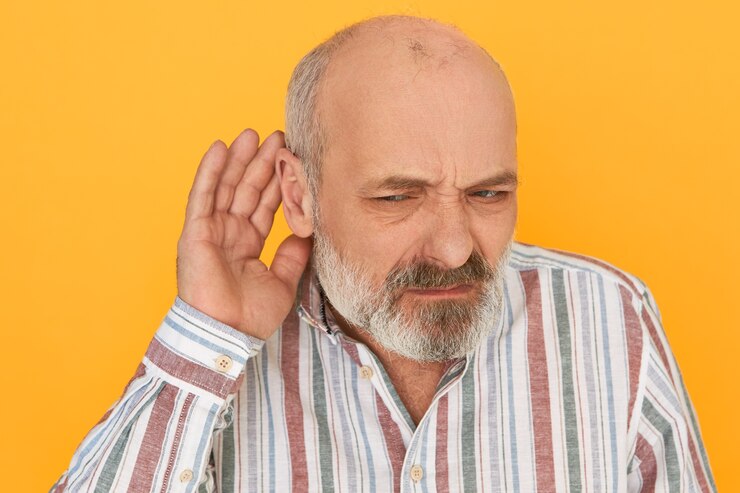
As we age, maintaining our ear health becomes increasingly important. For those above 40, ensuring that our hearing remains sharp can significantly enhance our quality of life. Here are some essential tips to keep your ears in optimal condition:
Regular Check-ups: Regular visits to an audiologist can help detect any early signs of hearing loss. Early detection allows for timely intervention and better management.
Protect Your Ears from Loud Noises: Prolonged exposure to loud sounds can damage the delicate structures of the inner ear. Use earplugs or noise-canceling headphones in noisy environments.
Maintain Ear Hygiene: Clean your ears gently and avoid inserting sharp objects. Excessive earwax can block the ear canal and affect hearing.
Stay Hydrated: Drinking plenty of water ensures that your body, including your ears, remains well-hydrated and functions optimally.
Avoid Smoking: Smoking can reduce blood flow to the ears and increase the risk of hearing loss. Quitting smoking can significantly improve ear health.
Exercise Regularly: Regular physical activity improves blood circulation, which is beneficial for ear health. Simple exercises like walking can make a big difference.
Improve Hearing Naturally Through Lifestyle Changes
Natural methods can play a significant role in improving hearing and maintaining ear health. Here are some lifestyle changes that can boost your auditory health:
Mindful Listening: Practice mindful listening by focusing on sounds around you. This can help sharpen your auditory processing skills.
Reduce Stress: High stress levels can negatively impact your hearing. Engage in relaxation techniques such as yoga, meditation, or deep breathing exercises to manage stress.
Get Enough Sleep: Adequate sleep is crucial for overall health, including ear health. Ensure you get 7-8 hours of quality sleep each night.
Limit Use of Earbuds: Listening to music at high volumes through earbuds can damage your hearing. Use over-ear headphones and keep the volume at a safe level.
Engage in Hearing Exercises: Just like physical exercise strengthens the body, hearing exercises can improve auditory skills. Activities like listening to audiobooks or playing musical instruments can be beneficial.
Nutrition for Ears: Foods to Boost Hearing Health
What you eat can have a profound impact on your ear health. Incorporating certain superfoods into your diet can enhance your hearing and protect your ears from damage. Here are some foods to consider:
Leafy Greens: Spinach, kale, and other leafy greens are rich in folic acid, which improves blood circulation to the ears and prevents hearing loss.
Broccoli: This vegetable is packed with vitamins C and K, which help protect the delicate structures of the inner ear from oxidative damage.
Tomatoes: Tomatoes are a great source of antioxidants, which can help protect the ears from free radical damage.
Eggs: Rich in vitamin D, eggs help maintain the health of the tiny bones in the ear, essential for proper hearing function.
Whole Grains: Foods like brown rice, oats, and quinoa are high in magnesium, which helps prevent age-related hearing loss.
Fish: Fatty fish like salmon and mackerel are rich in omega-3 fatty acids, which reduce inflammation and improve blood flow to the ears.
Nuts and Seeds: Almonds, walnuts, and flaxseeds are excellent sources of zinc and magnesium, which support ear health and prevent hearing loss.
Fruits: Berries, oranges, and bananas are rich in vitamins and antioxidants that protect the ears from damage and improve overall ear health.
Additional Tips for Maintaining Healthy Ears
Beyond diet and lifestyle changes, there are other ways to ensure your ears remain healthy:
Stay Informed: Keep yourself updated with the latest information on ear health and hearing loss prevention. Attend seminars or read articles related to ear care.
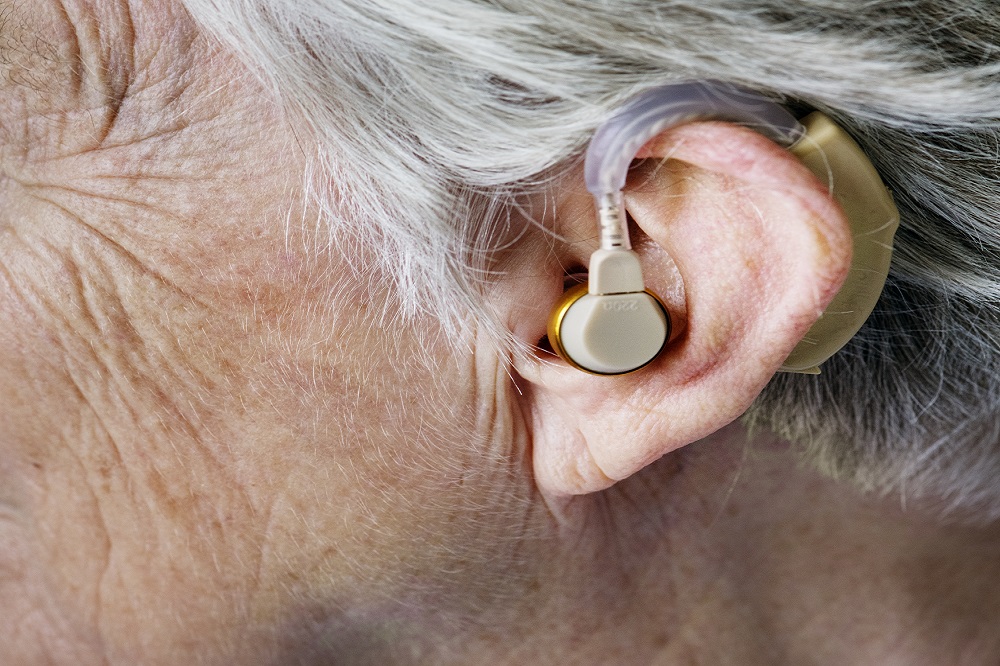
Use Hearing Aids if Needed: If you have been diagnosed with hearing loss, use hearing aids as prescribed by your audiologist. They can significantly improve your quality of life.
Avoid Ototoxic Medications: Some medications can damage your hearing. Consult your doctor about the potential side effects of any medication you are taking.
Limit Alcohol Consumption: Excessive alcohol intake can negatively impact your hearing. Drink in moderation to protect your ears.
Stay Connected: Engage in social activities and stay connected with friends and family. Social interaction can help keep your brain and auditory system active.
Conclusion
Maintaining ear health is crucial, especially for those above 40. By following these tips, making lifestyle changes, and incorporating the right foods into your diet, you can significantly enhance your hearing and overall ear health. Remember, early detection and proactive care are key to preserving your hearing for years to come.