


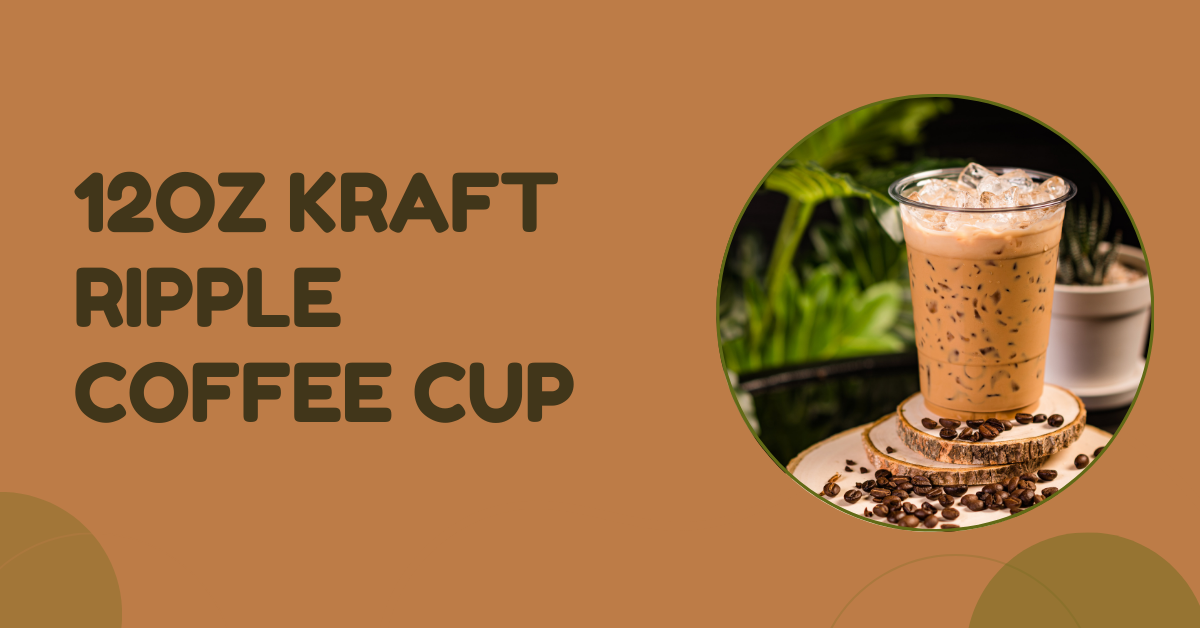
A coffee cup might seem like a simple container, but for coffee lovers, it holds much more than just a beverage. From influencing the taste to keeping your coffee at the perfect temperature, the right coffee cup plays a vital role in your daily coffee ritual. Selecting a good coffee cup isn't merely about aesthetics; it's about enhancing your coffee experience, whether starting your morning or winding down in the evening. This article dives deep into everything you need to know about choosing the best coffee cup, the materials and types available, and even the latest trends that coffee enthusiasts love.
History of the Coffee Cup
The coffee cup has come a long way from its early days when clay and metal cups were commonly used. As coffee became more popular worldwide, different cultures developed unique coffee cups, each adding flair. By the 18th century, porcelain cups symbolized luxury, while other cultures used glass or stoneware to enjoy coffee. The choice is nearly endless today, with cups made from ceramic, glass, metal, and even sustainable materials designed to reduce environmental impact.
Why the Right Coffee Cup Matters
Many don't realize that the proper coffee cup significantly affects the coffee's taste and enjoyment. Research has shown that a cup's shape, material, and even color can alter our perception of taste and aroma. For instance:
- Ceramic cups retain heat well, keeping coffee warm for longer.
- Glass cups allow you to see the coffee's color and texture, enhancing the visual appeal.
- Metal cups are durable and retain heat well but can sometimes alter the taste slightly.
The right coffee cup can differentiate between a satisfying experience and a lukewarm disappointment.
Types of Coffee Cups
There are numerous types of coffee cups, each with unique benefits. Some popular options include:
- Ceramic Coffee Cups: Known for their durability and heat retention.
- Glass Coffee Cups: Stylish and provide an excellent view of the coffee layers.
- Metal Coffee Cups: Durable and famous for travel but can alter the taste slightly.
- Paper Coffee Cups: Commonly used for takeaway coffee; convenient but not eco-friendly.
- Eco-Friendly Options: Bamboo or recycled materials are becoming popular among environmentally-conscious coffee drinkers.
Each type serves a specific purpose and appeals to different preferences, so the choice ultimately depends on what matters most to you in a coffee cup.
Material Matters - Impact on Flavor and Heat Retention
The material of your coffee cup does more than affect its appearance. It impacts both the coffee's flavor and temperature. For example:
- Porcelain and Ceramic: These materials don't affect the taste and provide good insulation, keeping coffee warm.
- Stainless Steel: While durable and heat-retaining, some find it alters the coffee's taste.
- Glass: Provides a clean, crisp taste but can lose heat quickly without insulation.
- Bamboo and Recycled Materials: They are great for the environment but may not retain heat as well as traditional materials.
The ideal material depends on your needs, whether you prioritize taste, durability, or sustainability.
Choosing the Best Coffee Cup
When selecting the perfect coffee cup, consider these factors:
- Usage: A ceramic or glass cup works well for home use, while travel cups should be stainless steel or insulated.
- Heat Retention: If you like your coffee to stay warm, opt for double-walled cups or materials known for insulation.
- Aesthetics: Style plays a significant role; choose a cup that matches your kitchen or office decor.
- Ease of Cleaning: Dishwasher-safe materials like ceramic and glass can save time.
Specialty Coffee Cups
Some cups are designed for specific types of coffee or situations. These include:
- Double-walled glass Cups: Ideal for retaining heat without burning your hands.
- Espresso Cups: Smaller in size to suit the concentrated espresso.
- Travel Mugs: Perfect for on-the-go coffee lovers who need insulation.
Choosing the correct cup type can make your coffee experience more enjoyable and tailored to your preferences.
Environmental Impact - Choosing Eco-Friendly Coffee Cups
More coffee lovers are turning to sustainable options in a world increasingly focused on reducing waste. Eco-friendly coffee cups made from bamboo, recycled plastic, or biodegradable materials provide an alternative to single-use paper or plastic cups. It's estimated that over 16 billion disposable coffee cups are used yearly, most ending up in landfills. By choosing a reusable coffee cup, you're making a small but meaningful impact on the environment.
Health Impacts of Different Coffee Cup Materials
The material of your coffee cup can also affect your health. While ceramic and glass are generally safe, some materials, like certain plastics, may contain harmful chemicals if not properly manufactured. Stainless steel and ceramic are often seen as the healthiest choices because they are less likely to leach chemicals and retain the original taste of coffee.
Best Sizes for a Coffee Cup
Different sizes work best for different types of coffee:
- Espresso: 2-3 oz cups are perfect for the concentrated espresso shot.
- Cappuccino: 5-6 oz cups allow room for the milk and foam.
- Latte: Larger 8-12 oz cups accommodate more milk.
- Travel: Often 12-16 oz to keep you fueled on the go.
Choosing the right size ensures you can enjoy your coffee without having too little or too much.
The Influence of Coffee Cup Design
Design is more than aesthetics. The shape and weight of a coffee cup can affect your perception of flavor and even the aroma of the coffee. Wide-rimmed cups, for example, allow more aroma to reach your nose, enhancing the overall experience. Meanwhile, narrow-rimmed cups are better for focusing on taste.
The Science of Temperature Retention
Temperature plays a significant role in coffee enjoyment. A good coffee cup keeps it at the right temperature without letting it cool too quickly. Double-walled or ceramic cups are often the best for maintaining temperature, while thin glass or single-walled plastic cups lose heat quickly.
Aesthetic and Style Choices
Personalizing your coffee cup can make your coffee moments feel unique and special. Today, many prefer cups that reflect their personality through color, size, or even quirky patterns. Having a coffee cup that matches your style can add joy to your coffee routine.
FAQs
Why does the material of a coffee cup matter?
Material impacts taste, temperature retention, and sometimes even health due to chemicals in some plastics.
What's that type of coffee cup for the on-the-go?
Insulated stainless steel travel mugs are popular as they keep coffee warm for hours and are spill-proof.
How do I choose the right size for my coffee cup?
Base it on your coffee type: 2-3 oz for espresso, 5-6 oz for cappuccinos, and 8-12 oz for lattes.
Can a coffee cup affect the taste of coffee?
Yes, a coffee cup's material, shape, and even color can alter taste perception.
Is it safe to drink coffee from a plastic cup?
Some plastics are safe, but ensure they are BPA-free and designed for hot beverages to avoid harmful chemicals.
Conclusions
A coffee cup is more than a simple container; it's a fundamental part of the coffee experience. Choosing the right coffee cup can enhance everything from taste to temperature and even sustainability, from the design to the material. When you pick the right cup, every sip becomes more enjoyable. So, whether at home you're on the go, choose a coffee cup that fits your lifestyle and elevates your coffee moments.
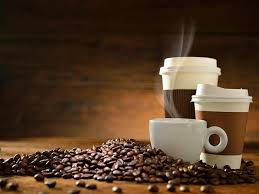
The Global Coffee Cup Market Research Report - Industry Analysis, Size, Share, Growth, Trends and Forecast Till 2027 gives an evaluation of the market developments based on historical studies and comprehensive research respectively.
The market segments are also provided with an in-depth outlook of the competitive landscape and a listing of the profiled key players.The comprehensive value chain analysis of the market will assist in attaining better product differentiation, along with detailed understanding of the core competency of each activity involved.
The market attractiveness analysis provided in the report aptly measures the potential value of the market providing business strategists with the latest growth opportunities.
The report classifies the market into different segments.
These segments are studied in detail incorporating the market estimates and forecasts at regional and country level.
The segment analysis is useful in understanding the growth areas and probable opportunities of the market.Final Report will cover the COVID-19 Impact and Recovery on this industry.Browse the complete Global Coffee Cup Market Research Report – Industry Analysis, Size, Share, Growth, Trends and Forecast Till 2027 @ https://www.decisiondatabases.com/ip/33854-coffee-cup-market-report The report also covers the complete competitive landscape of the global Coffee Cup market with company profiles of key players such as: DixieHeftySnapcupsChinetInternational PaperDartMIPLFrozen Dessert SuppliesBendersLibbeyBoardwalkBSBMr.
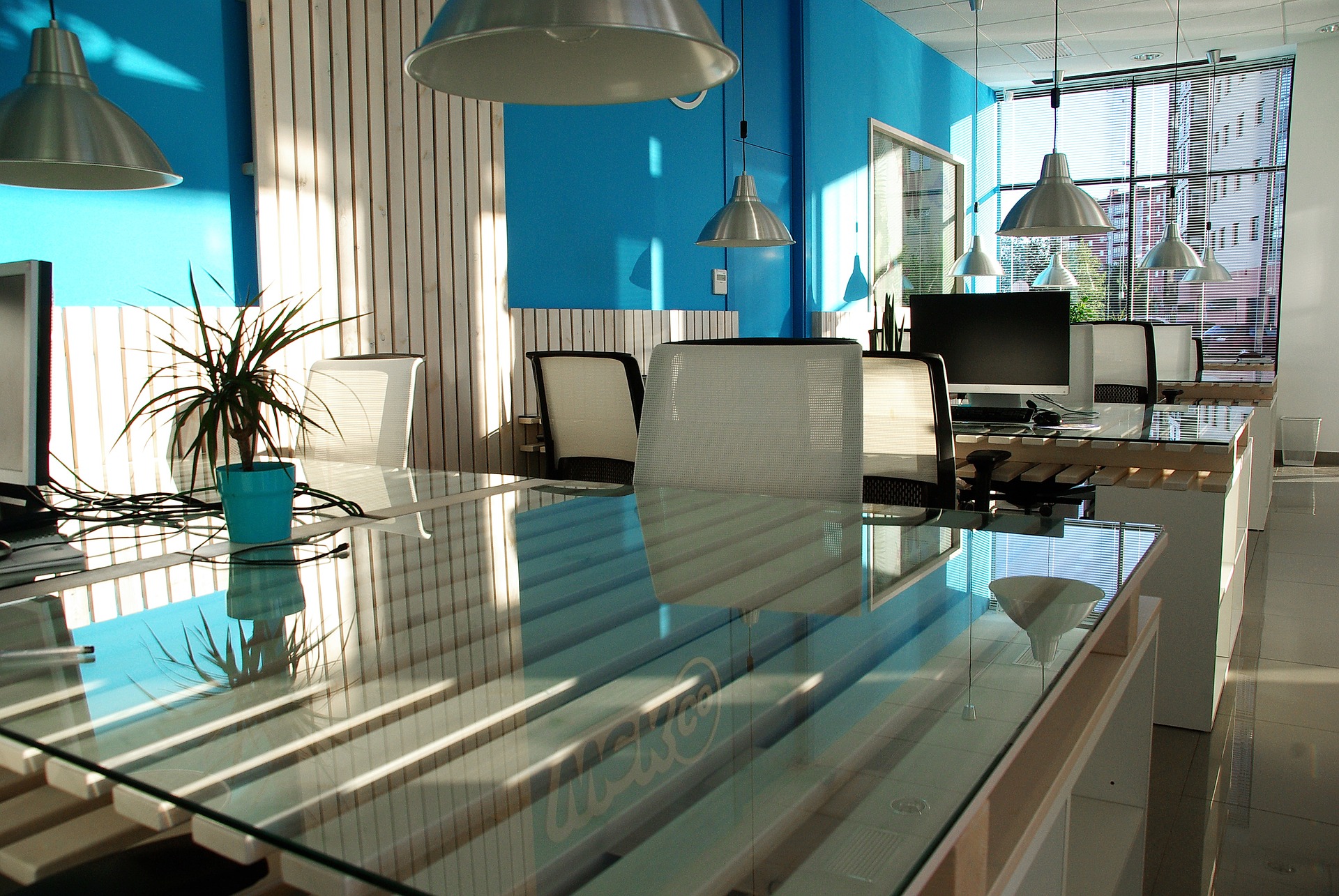
While it's easier to be eco-friendly at home, how can you try to be more environmentally conscious at work beyond printing less?We have compiled a few ways for your business to be greener.
Some easy to implement, others require some investment but will pay off down the line.
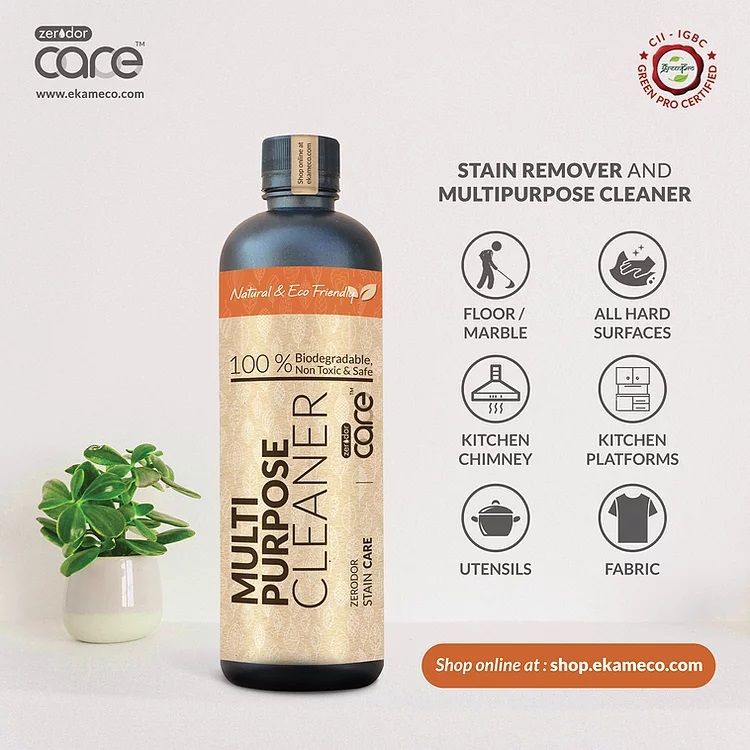
The Multi-Purpose Cleaner comes from EKAM ECO Solutions, a pioneer in developing sustainable sanitation solutions that are ONE WITH EARTH.
This amazing solution to deliver a zero stress, tension-free experience while cleaning all home surfaces.
Our home cleaning products are non-toxic, eco-friendly, natural ingredients, and Green Pro Certified.
GreenPro is a mark of guarantee that the product is environment-friendly throughout the different stages of its life cycle, including the Design Stage, Raw Material Selection, Manufacturing Process, Product Performance during Use, Disposal, and Recycling.
The Multi-Purpose Cleaner is a highly versatile and powerful cleaner.
The Multi-Purpose Cleaner removes grass, grime, dirt, food, chewing gum, oil, mud, blood, sweat and hundreds of other stains and odors.Kitchen cleaning